Summary
Index
Introduction
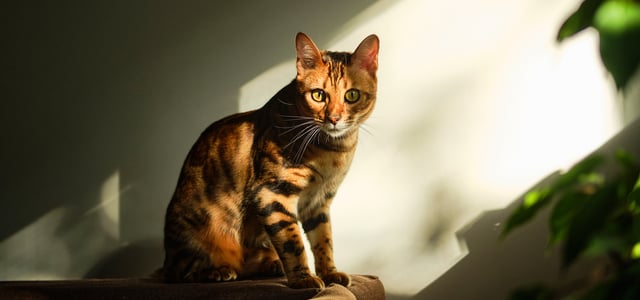
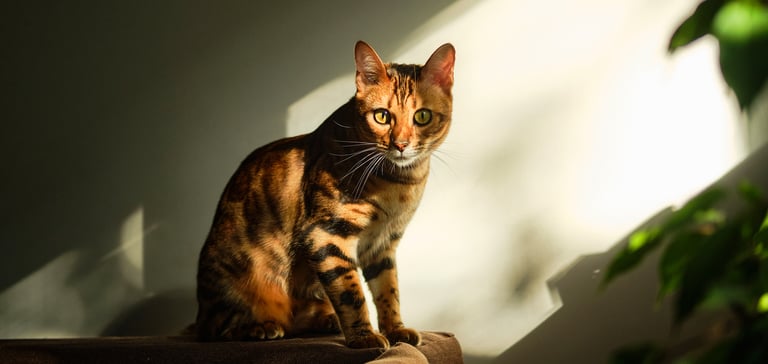
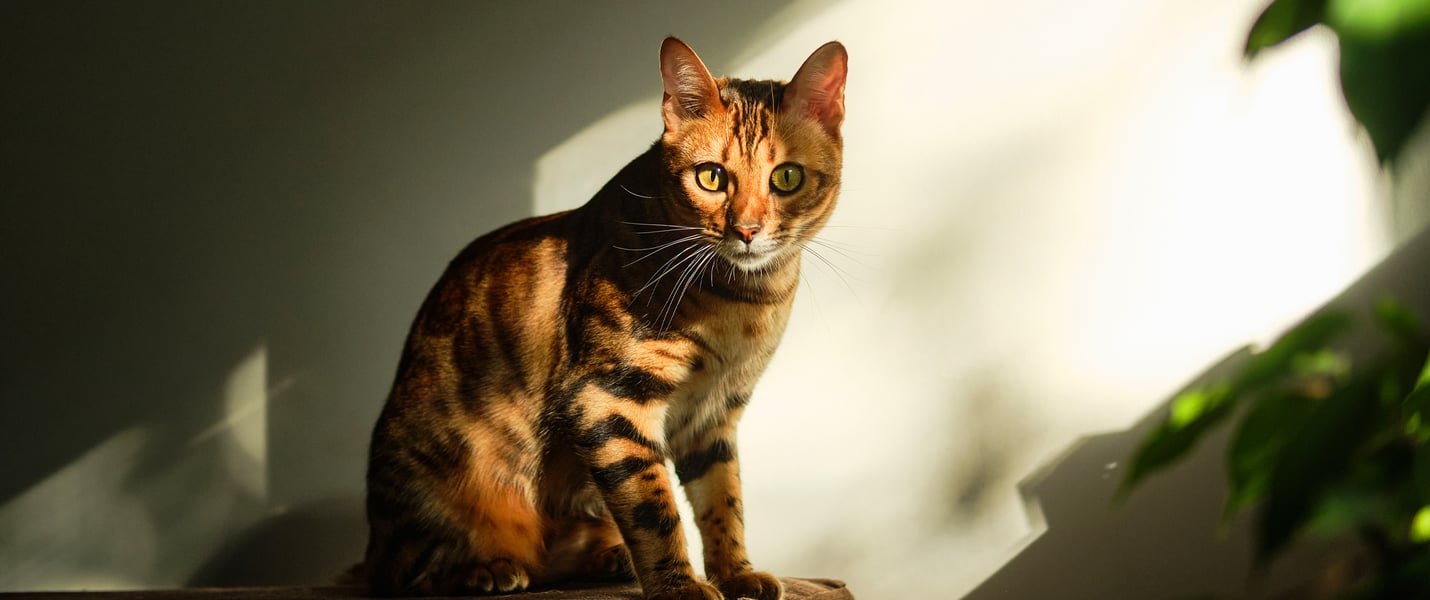
If you've fallen in love with the beautiful Bengal, you should learn everything you need to know about the breed and long term care and costs.
A realistic budget for living with a Bengal in the UK is not just the purchase price. Plan for the cat itself, plus strong monthly running costs, and a proper “oops fund” for vet care.
Key takeaways
Expect a wide price range in the UK, depending on paperwork, health testing, and what’s included at pick-up.
Your biggest surprise cost is usually not food. It’s vet bills, insurance, and replacing “enrichment” toys that get destroyed.
Bengals tend to need more play, climbing space, and boredom-busting than many other cats.
Buying cheaper can cost more later if early healthcare and socialisation were skipped.
Budgeting is easier when you split costs into: upfront setup, monthly basics, and annual or “sometimes” costs.

The upfront cost: what you pay before your cat even gets home
How much does a Bengal breed usually cost in the UK (2025 to 2026)?
In UK marketplace data , as of 2026, a Bengal kitten is listed at £100 to £1500, with an average of £350 on one UK platform’s analysis of the previous six months (Bengal Owners marketplace data).
That average can look surprisingly low because marketplaces often include crossbreeds, older cats, and private rehoming prices.
On the other hand, some UK catteries price much higher when the package includes things like neutering, vaccination course, microchipping, health checks, pedigree paperwork, and ongoing support. For example, one UK cattery states £1,500 to £2,000 for their kittens and lists a bundle of inclusions (Angeldust Bengals pricing page).
So the “true” answer is this: your expected price depends on what you’re actually buying.
What makes the price swing so much?
Here’s what usually moves the needle:
If you want a quick temperament and care refresher before you budget, skim this Bengal guide. It helps you match your wallet to your lifestyle.

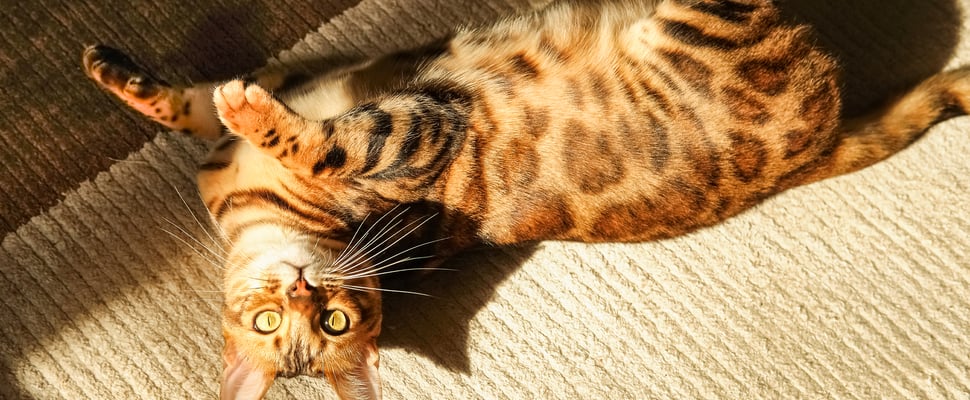
The monthly costs: The “normal life” expenses
Food, litter, and day-to-day essentials
This is the part people underestimate because they think, “It’s just a cat.” Then the cat develops an expensive lifestyle.
A simple monthly range for a healthy adult Bengal often looks like:
Food: £30 to £120+ (more if you use premium diets or mix wet and dry)
Litter: £10 to £25
Flea and worming: £10 to £25
Toys and replacements: £5 to £25 (sometimes more, because Bengals get bored fast)
If you want help picking sensible kibble options without getting lost in marketing, this guide to the best dry cat food in the UK is a useful starting point.
Grooming and coat care
Most Bengals have short coats, so grooming can be simple. But “simple” is not “optional”.
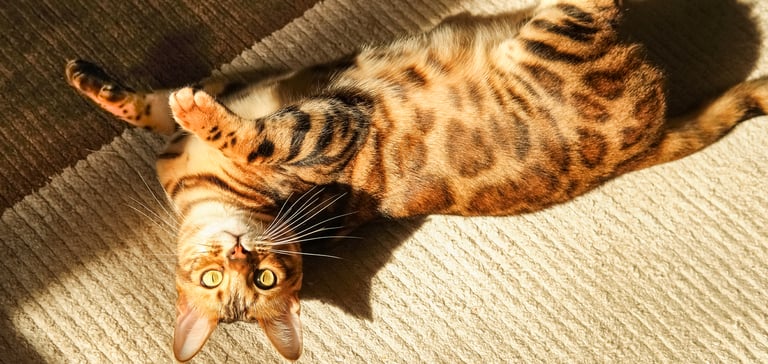
Regular brushing can reduce hairballs and help you spot skin issues early. Also, it’s cheaper than replacing the sofa because your cat decided that rolling on the cushions is great for exfoliation.
For more practical tips, use this cat grooming guide.

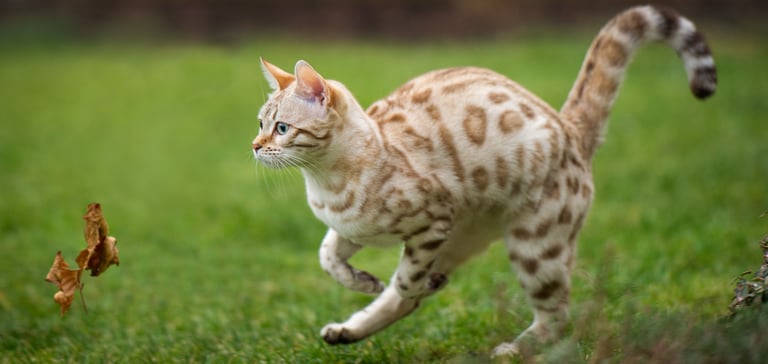
Vet care, dental care, and insurance: the real budget builders
Vaccines, check-ups, neutering, and the “just in case” visits
Even with a great start, you’ll still pay for routine care.
Typical items to plan for:
Annual check-up and boosters
Neutering if not already done
Illness or injury visits (because cats do not read risk assessments)
The tricky bit is variability. Prices differ by region and clinic. That’s why it helps to plan a buffer or get a good insurance policy. You can't plan for everything, but insurance helps.
Dental care costs: the sneaky one
Dental disease is common in cats, and professional cleaning can be pricey because it usually needs anaesthesia.
The good news is that at-home routines can genuinely help. If you want a straightforward plan, here’s Waggel’s ultimate guide to cat dental care. It also notes that with some policies, regular dental checks matter for claims, so it’s worth keeping dental notes on your cat’s record.
How much is pet insurance for a Bengal in the UK?
Insurance pricing varies, but UK averages can help you set expectations. Waggel’s guide on average pet insurance costs and coverage cites:
A UK premium average of £389 per year (ABI data, as of 2024, full details here)
Starting averages of about £125 per year for cats
Lifetime cat cover starting roughly £10 to £30 per month (as an estimated range)
If you want the bigger picture on policy types and what to look for, this cat insurance guide is the place to start.
Or, you can get a quote here to see exactly how much it would cost to insure your pet.



The “exotic ownership” costs: what makes Bengals different
Why do Bengals often cost more to live with than other cats?
TICA describes Bengals as highly intelligent, high-energy, and very trainable, with many needing lots of interaction and stimulation (TICA’s Bengal page).
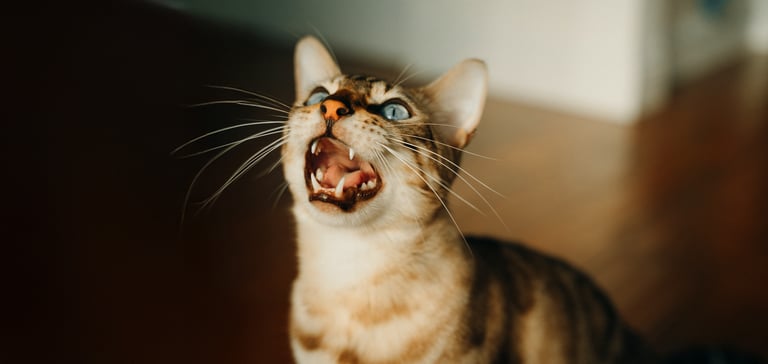
In plain English, they get bored. And bored Bengals can get creative.
That creativity can look like:
Scaling curtains
Opening cupboards
Turning your houseplants into confetti
Choosing 3am as their daily cardio slot
So, the “exotic” budget isn’t just vet bills. It’s also your home setup.
The enrichment spend (and how to avoid wasting it)
Budget for a few bigger items early, rather than buying cheap toys every week forever.
Common one-time or occasional costs:
Tall cat tree or wall shelves
Puzzle feeders
Heavy-duty scratching posts
Optional: a cat wheel (not every Bengal uses it, but when they do, it’s a game-changer, just ask your vet if this is right for your cat first)
Tip that saves money: rotate toys. Keep half hidden for two weeks. Then swap. It makes old toys feel new, which is basically magic to a cat.
A note on registration and early generations
If you see references to TICA, it’s worth understanding what that means. TICA is a major cat association that describes Bengals as an established cat type and notes the history and characteristics of the Bengal (TICA). Registration is not the only marker of quality, but it’s one clue among many.
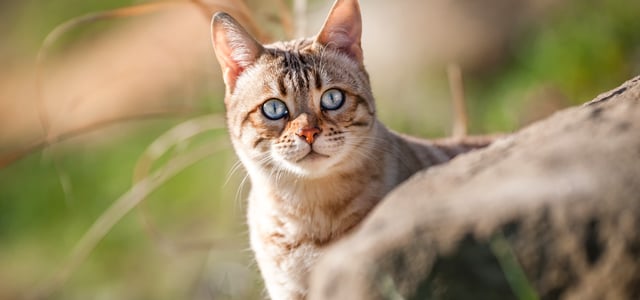
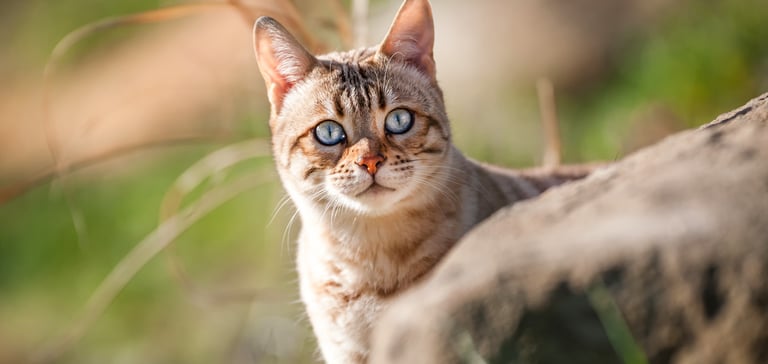
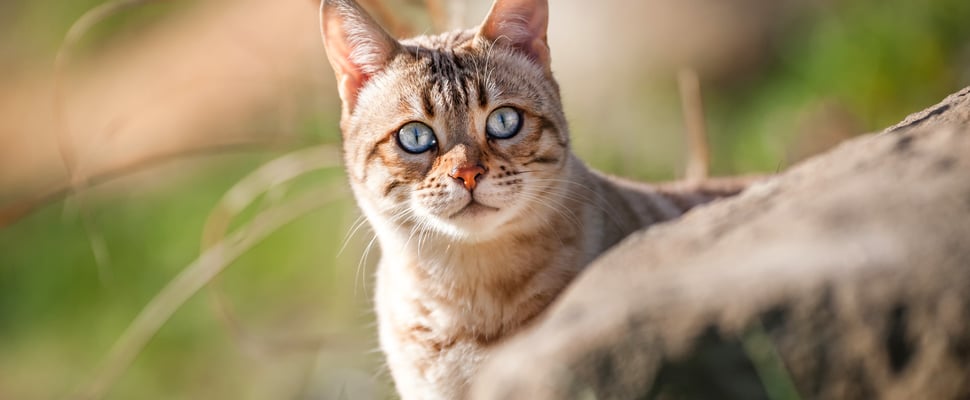
“Is a Bengal right for my household?”
A Bengal can be a brilliant fit if you:
Are home a fair bit
Enjoy play and training
Like an active cat who wants to be involved in everything
If you’re comparing options, it can help to look at other cat types too. For example:
A bigger, fluffier companion may come with different grooming and feeding costs; see the Maine Coon guide
If you want tiny paws and smaller food bowls, browse the smallest cat breeds guide
If you want something more typical (often easier to budget for), look at the most common cats in the UK
And if you already know you’re set on Bengals, the best budget tip is simple: pay for quality where it reduces risk (health, socialisation, support), then save money on the stuff you can control (toy rotation, smart home setup, routine care).
Finally, if you’re bringing home your first kitten or specifically a Bengal kitten, your early choices matter. A calm start, a clear routine, and the right cover can make the whole cost curve feel a lot less steep. But as always, lead with love and enjoy every moment with your new pet.

From everyday questions to expert advice, we’ll help you feel confident in every moment of pet parenthood.
Less stress, more love.
Along with our excellent coverage, we offer access to a 24/7 online vet to answer all your sticky questions.