Summary
Index
Introduction
We've all seen our cats jumping like they've seen a ghost when they come in contact with water. It can be a funny sight, but it can also be equally confusing. Why do they do this?
So are all cats scared of water? Many are, but surprisingly, there are some exceptions. It is more about comfort and control than a true panic response for many, but let's dive deeper.
Key takeaways
Water stress is often learned and linked to surprise, noise, or slipping.
A soaked coat can feel heavy, cold, and hard to manage.
Some breeds and individuals can be curious about splashing and shallow play.
You can build tolerance with slow, reward-based steps (no forced dips).
If bathing is needed, prep well and keep it quick, warm, and calm.
Are cats really scared of water, or do they just dislike it?
People often say cats are scared of water, but many pets simply show an aversion to water or feel afraid of water in certain setups (like a noisy bathroom).
In other words, cats are afraid of water, but it is not a universal rule.
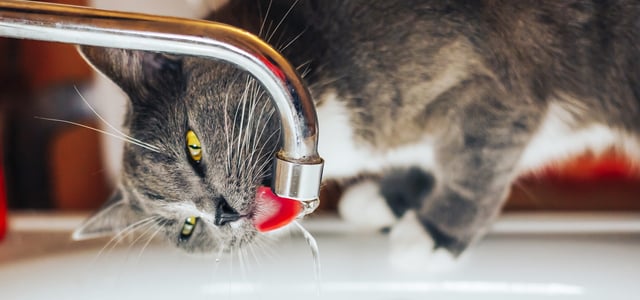
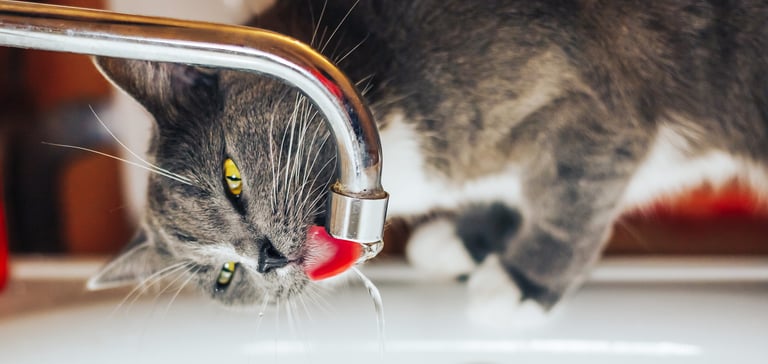
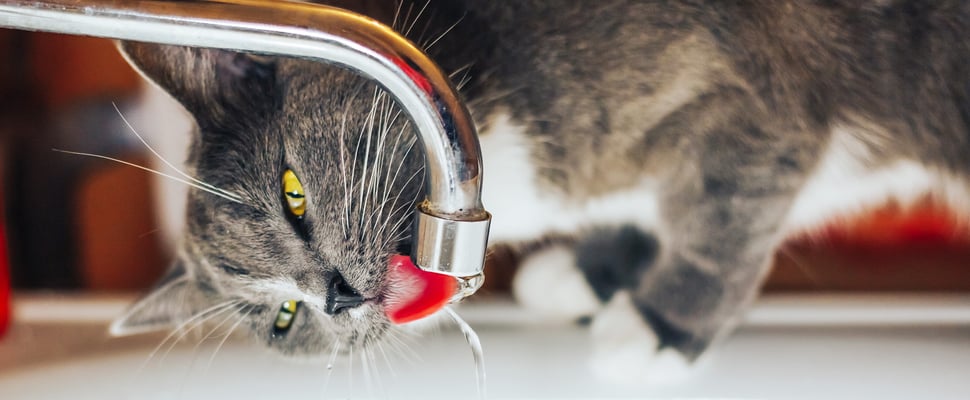
A lot of domestic cats will try to avoid water because they do not need it for cleaning. Many cats dislike water in a full-body sense, but will still play with it a bit if you leave a tap running.
Most cats avoid getting soaked, and this could be due to smell, temperature, and past experiences, which shape their response.
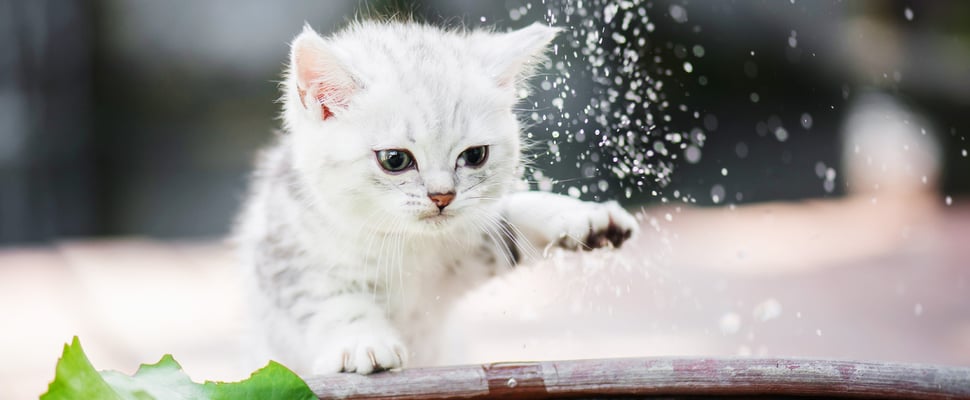
Why do so many cats avoid getting wet?
1) Wet coats feel heavy, cold, and annoying
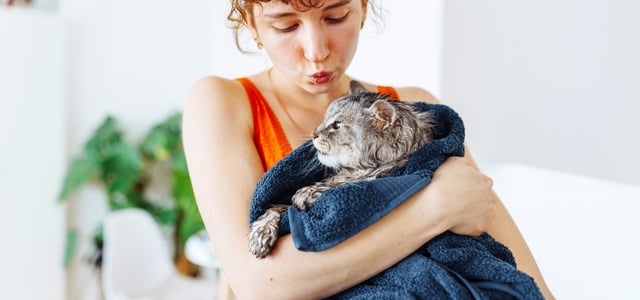
When your cat gets soaked, wet fur becomes extremely uncomfortable and clingy. It can take a long time to dry and for them to feel normal again, especially when it becomes harder to stay warm.
Cats Protection explains how soaked coats can affect a cat’s ability to regulate their body temperature and leave them feeling cold.
That matters because a cat’s normal body temperature is higher than ours, and losing body heat fast is no fun. In plain terms, they want to stay warm and cosy.
2) They like control, not surprise
Cats tend to avoid getting wet because slippery surfaces remove their grip and confidence. A startled cat would rather leave than negotiate with a wobbling bath mat.
This is why you often see a cat sit on the edge of a sink or tub first. It lets them test the situation before committing.
And yes, cats are also very tuned in to noise. The sudden rush of running water can feel loud and unpredictable.
3) Smell and water quality can put them off
Cats have a powerful sense of smell. Chemicals in tap water (such as chlorine, depending on where you live) can smell very strongly to cats and may put them off going near the bowl or drinking.
So even when water is usually safe for people, a cat may not love the scent. If your pet sniffs and walks away, that is not them being “dramatic”. It's their senses doing overtime.
4) Where cats come from plays a role
Our pet cats are descendants of wildcats who came from environments where swimming was not necessary, and big bodies of water were not a daily feature.
So lots of pets learn to treat larger bodies of water with caution and may view water as “not my problem”, except for drinking.
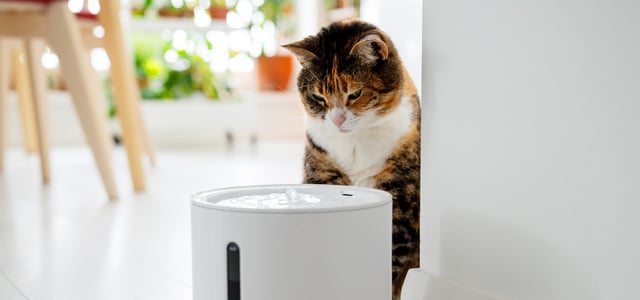
Do any cats actually like water?
Some cats genuinely enjoy it
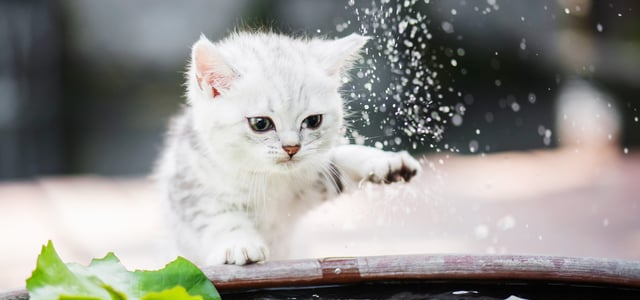
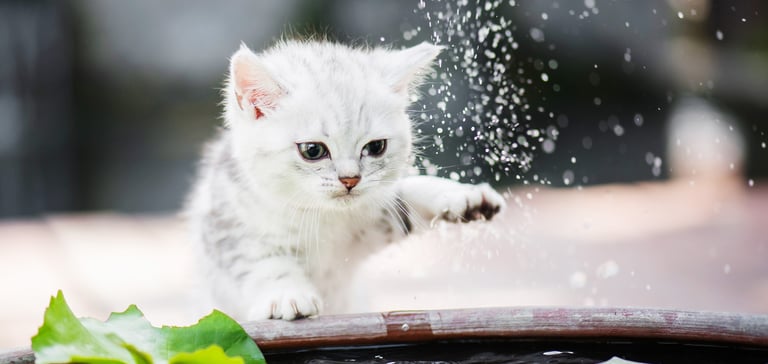
Despite the stereotype, cats are actually individuals. Some cats like to splash. Some cats love to supervise the sink like a tiny plumbing inspector.
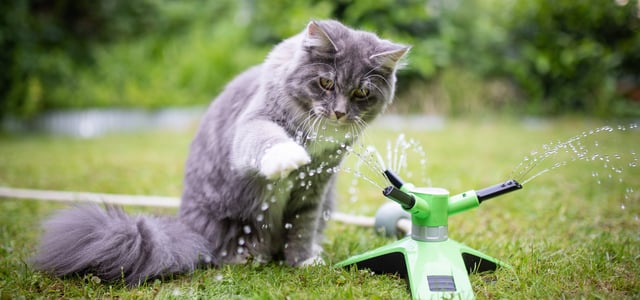
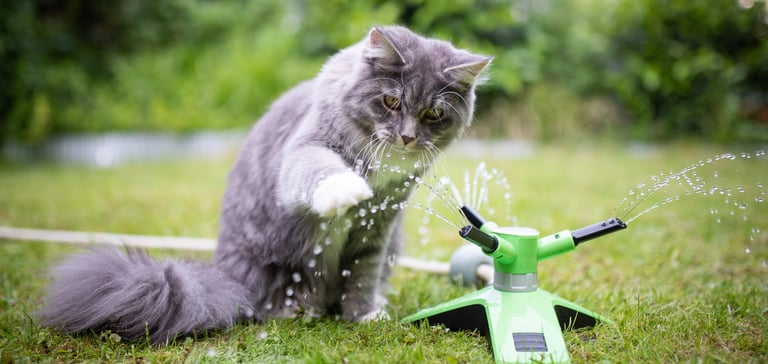
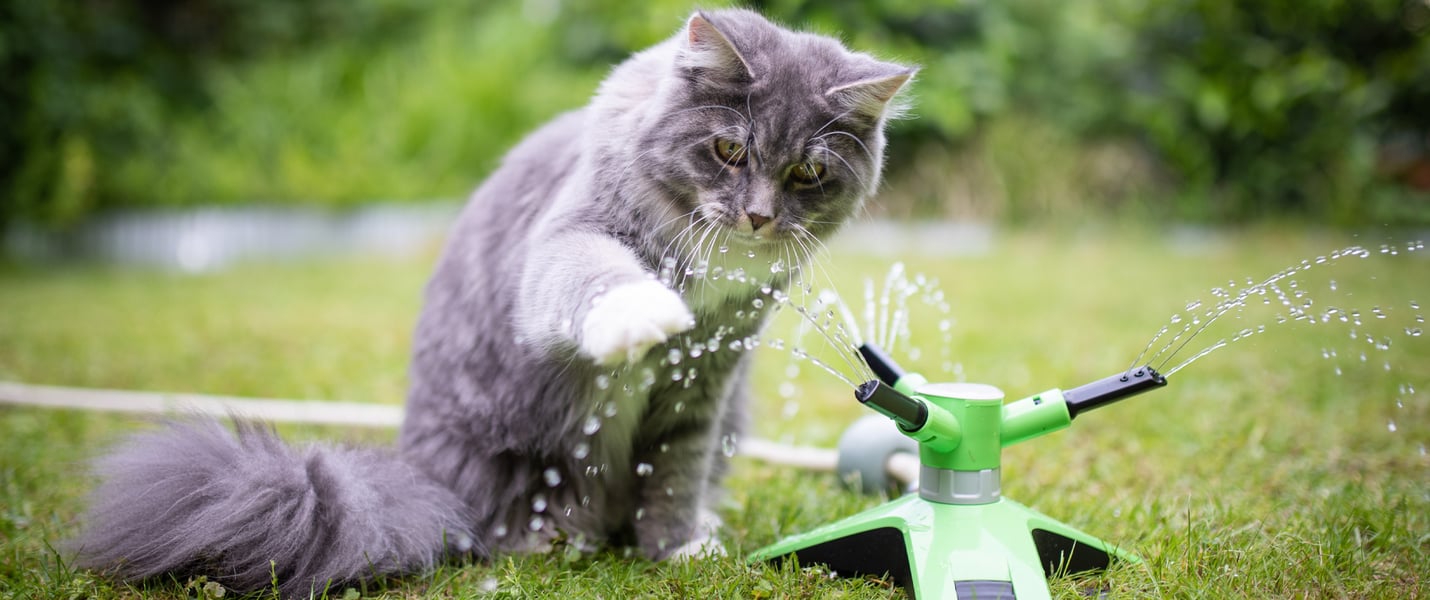
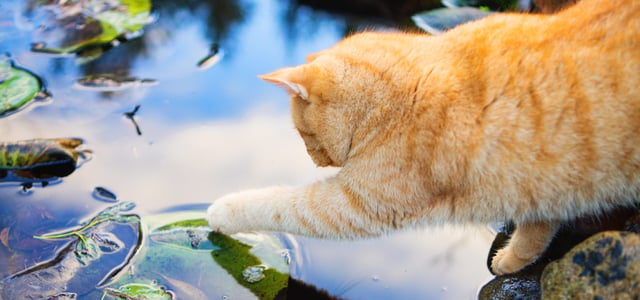
You might even see cats enjoy pawing at a trickle, with some liking it enough to seek it out. That can look like they enjoy water but in most cases this is just in shallow play, rather than full immersion.
Breeds that are often more water-tolerant
Some breeds have coats that can repel water, which can reduce stress if they get wet.
A well-known example is the Maine Coon. Many owners notice that their Maine Coon seems to be more relaxed around water than average, though personality still matters.
Another standout is the Turkish Van, often nicknamed a swimmer. PetSafe describes the Turkish Van as having a water-resistant coat and an unusual interest in water play.
And just to widen the lens: big cats like the tiger may go into the water to hunt , or use water to cool down in hot climate conditions.
When a bath is truly needed
Most cats do not need routine washing. But sometimes a bath is needed for safety or medical reasons.
If you decide to bathe your cat, follow a calm, step-by-step approach (and save your forearms). This guide can help: how to bathe a cat.
Also, regular maintenance reduces how often your cat needs a full wash. You can read more about grooming your cat here.
Helping your cat drink more water
If your goal is to get your cat to drink more water, try a few options and watch what sticks. Many cats prefer freshness and separation from food.
Practical ideas:
Try a bowl in a quiet spot (not next to the litter tray).
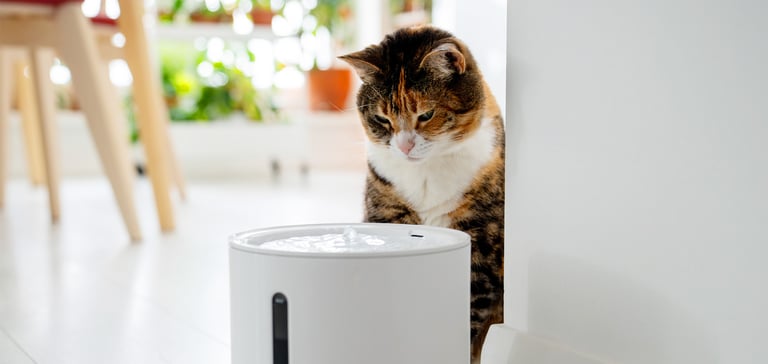
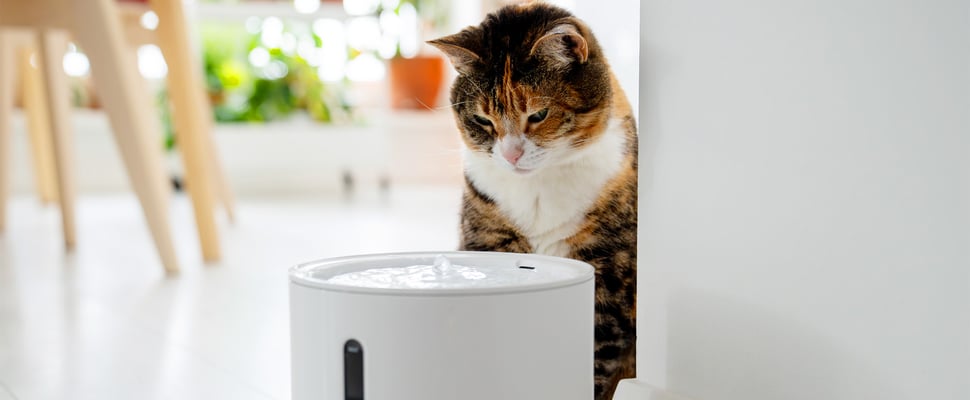
Consider a fountain if your cat likes movement. Some cats fixate on dripping water or even a tiny drip from a tap. If your cat is curious about running water, a fountain can be a good compromise.
And yes, sometimes your cat will look you in the eye while ignoring the bowl. Cats know exactly what they are doing.
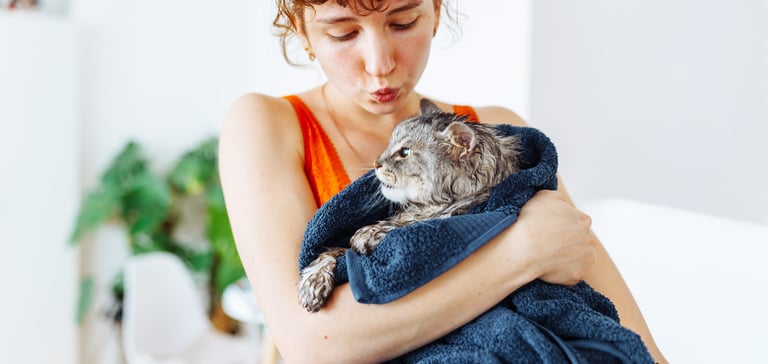

Final reassurance
If you are getting a cat for the first time, do not panic if they act like water is a personal insult. Many cats do.
Some will even show moments of comfort around water, followed by instant revulsion. For most pets, the “why” is simple. Cats don’t like feeling trapped, cold, or out of control, and full water immersion can initiate an immediate response. Basically, cats don’t like surprises.
If your cat does get dirty, focus on comfort, safety, and trust when bathing them. And if you are unsure (especially with skin issues), check with your vet for advice.

From everyday questions to expert advice, we’ll help you feel confident in every moment of pet parenthood.
Less stress, more love.
Along with our excellent coverage, we offer access to a 24/7 online vet to answer all your sticky questions.