Cat Runny Nose - Why Your Cat's Nose is Running and What to Do
Index:
Introduction
If your cat’s nose is running, it is usually a mild irritation or an infection that settles with care, but it can sometimes be a sign your cat needs urgent help.
The key is to look at the type of discharge, your cat’s breathing, and whether anything else seems “off”.
Key takeaways
Most runny noses in cats are caused by infections or irritants and clear up with simple support.
Colour, thickness, and whether it is from one or both nostrils help narrow down what is going on.
“Cat cold” illnesses (often called cat flu) are common and can flare up again with stress.
Breathing trouble, not eating, or marked lethargy are reasons to seek urgent advice.
A good plan usually mixes comfort care, hygiene, and a clinic check if symptoms persist.
What does a runny nose in a cat actually mean?
Is a slightly wet nose normal, or is this a problem?
A little moisture is normal, but when a cat has a runny nose that is visibly dripping, crusting, or changing colour, it is worth paying attention to.
A cat’s runny nose is a symptom, not a diagnosis. It can happen when the lining of the nose gets irritated or infected, including in the nasal cavities.
Many pet owners notice it alongside sneezing. If that is your situation, this guide on why your cat is sneezing is a helpful companion read.
What the “look” of the discharge can tell you
To keep things simple, here is a practical snapshot of nasal discharge in cats and what it can suggest.
If you are seeing issues with their nose and eyes together, that combination is very common in viral cat colds.
International Cat Care notes that feline herpesvirus can cause upper respiratory signs and eye problems, and that vaccination reduces severity even if it does not always prevent infection.
Common causes of a cat’s runny nose (and how to spot the difference)
The most common cause: viral “cat colds”
A very common cause is a viral infection affecting the upper airways. These upper respiratory tract infections are often what people mean by “cat flu”.
Two big players are feline herpesvirus and feline calicivirus. As mentioned, International Cat Care explains that feline herpesvirus (FHV-1) is a major cause of upper respiratory infections in cats, often grouped under cat flu. Cornell University studies also explain that calicivirus spreads through saliva, nasal mucus, and eye secretions, and that cats can shed it for weeks (and some become carriers) (Cornell CVM).
In real life, similar symptoms can make these hard to tell apart at home. Your cat may have sniffles, sore throat problems, and go off food because smell matters so much.
If you want a fuller run-through of classic cold signs, here are cat flu symptoms, causes and treatments.
When bacteria join the party
Sometimes, a primary viral illness damages the lining of the nose and throat, and infections can cause a secondary issue. That is when thicker mucus, fever, and feeling rough can show up as additional symptoms.
This is why treatment depends on whether we are mainly dealing with a virus, bacterial overgrowth, or something else.
Irritants and allergies (the sneaky ones)
Not every runny nose is an infection. Household triggers can create irritation or inflammation, leading to dripping. Think perfumes, smoke, dusty litter, cleaning sprays, or even strong essential oils.
This is one way cats can get a runny nose fast.
If your cat inhales something sharp-smelling and immediately starts snuffling, that points more towards irritation than infection.
Foreign material, polyps, and “something stuck”
If it is sudden, dramatic, and mainly one-sided, consider foreign bodies (like grass seeds). A polyp or other structural problem can also cause ongoing issues, especially if your cat has noisy breathing.
This is where rhinitis can come in. Rhinitis in cats just means inflammation of the nasal lining, and it can be acute or chronic.
Best check with your veterinary clinic for next steps if you think this is the case.
Dental disease (yes, really)
Tooth root infections can affect the nose because the mouth and nasal area sit close together. Dental disease is a classic “surprise cause” when the drip is one-sided or smelly.
When should you worry?
Red flags that need vet care
A runny nose might be mild, but you should treat it as urgent if you see difficulty breathing, marked weakness, or your cat cannot settle.
Also watch for:
Sudden worsening with thick mucus
Not eating for a full day
Open-mouth breathing
Extreme tiredness
If coughing is part of the picture, read coughing cat causes and treatment because lower airway problems need a different approach than a simple cold.
When it is reasonable to monitor briefly
If your cat is otherwise bright, eating at least a bit, and the discharge is clear, you can often monitor it for 24 to 48 hours to see how things progress.
Still, it depends on the underlying cause, and cats can hide illness like it is a hobby. If you are unsure, it is always fine to ask for advice.
Tests you might be offered
If the problem is persistent, one-sided, or severe, the clinic may recommend diagnosis and treatment steps such as swabs, imaging, or, in some cases, rhinoscopy (a camera exam of the nose under anaesthesia). PetMD describes rhinoscopy as a way to look for tumours, foreign objects, or polyps in the nasal passages (PetMD).
The goal is to find the underlying cause and build a sensible plan, not to test for the sake of it.
Treatment options (what actually works)
A good treatment plan is usually a mix of targeted meds and supportive care. Runny nose treatment may include hydration support, appetite support, and sometimes medicines if there is a treatable infection.
This is why treatment depends on the cause of the runny nose. A simple irritant issue is managed very differently from a complicated infection or dental problem.
What you can do at home to help your cat feel better
Simple, safe comfort care
If your cat has mild signs, help at home can make a big difference:
Create humid air (steam from a shower room, with your cat safely nearby).
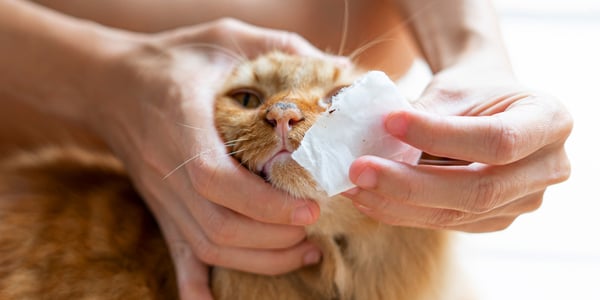
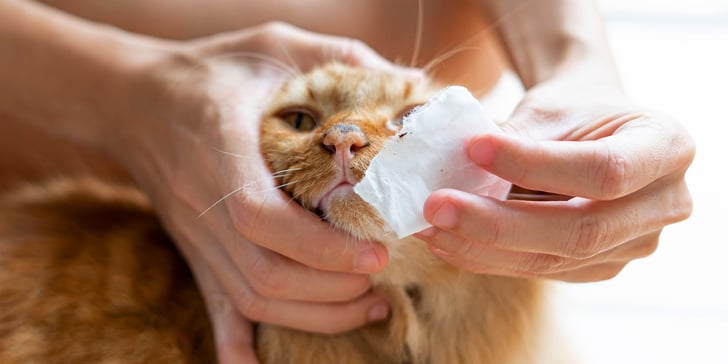
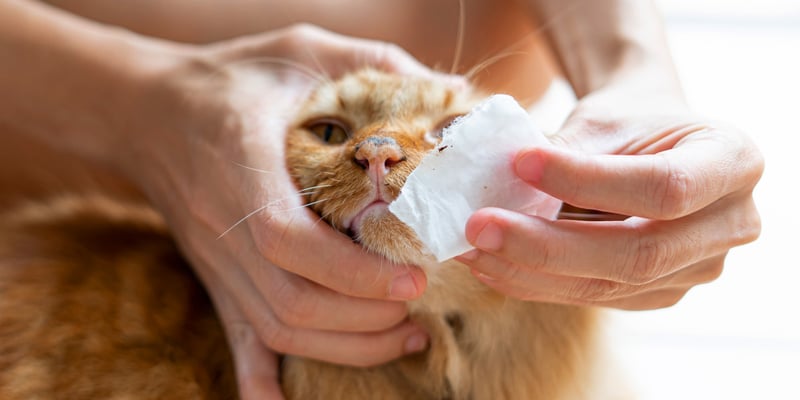
Gently wipe the nose with a warm, damp cotton pad.
Offer smelly, soft food warmed slightly.
Keep stress low and resting easy.
This kind of home care can help your cat to keep eating, which is half the battle. It can also make your cat feel cared for, which matters more than anything.
Hygiene if you have more than one cat
If you have multiple cats, separate bowls and litter trays can reduce the spread. Cornell notes FCV can spread through secretions like aerosol droplets and can survive on surfaces for a while in certain environments (Cornell CVM).
This is especially important if your household includes kittens, older cats, or anyone with a weaker immune system.
Food and water checks
When cats feel blocked up, they often drink less and eat less. Keep fresh water nearby and track intake.
If you are worried your cat is drinking oddly (either too little or suddenly loads), this can help: is my cat drinking a lot of water?
Prevention and the “why does this keep happening?” question
Vaccination, stress, and repeat flare-ups
Vaccination is not a magic shield, but it reduces severity. International Cat Care discusses FHV vaccination schedules and boosters depending on risk, and Cornell explains that FCV vaccines reduce severity but may not prevent infection completely because strains vary.
Chronic cases and long-term outlook
Some cats end up with long-running nasal issues after infections. Cats with chronic nasal problems can still have a good quality of life, but they may need ongoing support.
The prognosis for cats is usually good for simple colds, and more variable when there is dental disease, polyps, or long-term inflammation. It also depends on the underlying cause and how early we catch it.
In conclusion, if your cat has a runny nose and ear discomfort (head shaking, smelly ears), don’t ignore it. Give them plenty of cuddles and care and get them back to their cheeky antics.
Waggel Pet Insurance
Need more help? You're in luck if you're a Waggel Pet Insurance member. Along with our excellent coverage, we offer access to a 24/7 online vet to answer all your sticky questions, especially if you need grooming assistance.
Not a member? Why not get a quote now and cover your furry friend for a range of illnesses, all while enjoying our amazing perks and rewards.

Want more like this?
Get updates from us with helpful info, advice, answers to frequently asked questions and much more.
Index:
Related posts:




Get your quote
Along with our excellent coverage, we offer access to a 24/7 online vet to answer all your sticky questions.