You may not always feel like you're in sync with your pet, and that's fine. We've collected all the information we think might help you to reach peak pet parent. Subscribe to get the freshest posts, straight to your inbox.
Why Cats Sleep More During the Cold Season
Index:
Introduction
Do cats really sleep more during the colder months?
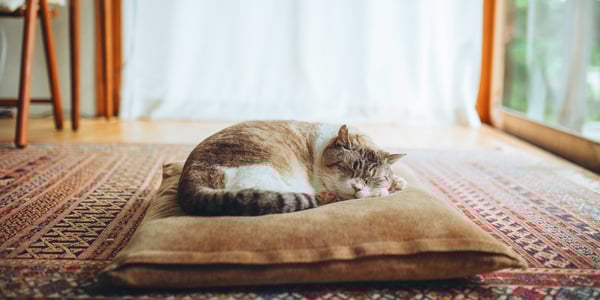
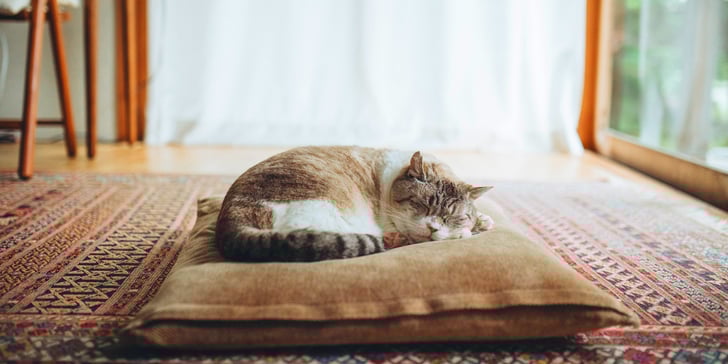
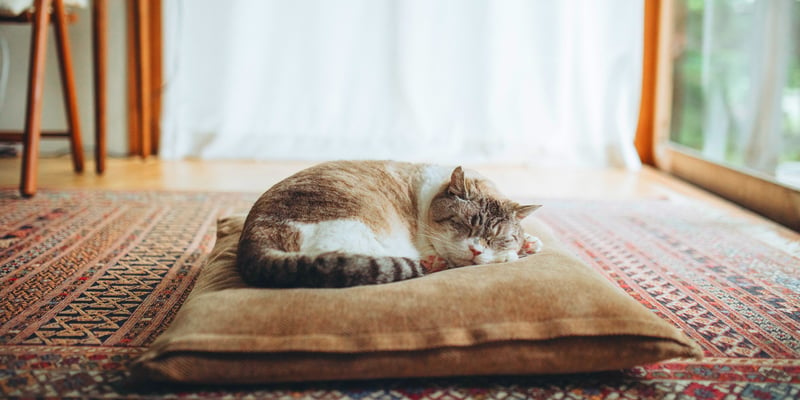
Yes, cats sleep more in winter for pretty sensible reasons. You may notice this shift in sleep patterns is often linked to shorter light, cooler weather, with a built-in urge to rest when conditions feel tougher.
Let's look at some reasons why.
Key takeaways
Shorter daylight hours can nudge your cat’s body clock towards more rest.
Many cats conserve energy when it’s chilly, even if their food bowl is always full.
It’s often normal for cats to snooze extra, but sudden big changes deserve attention.
Simple warmth and play can help your cat stay bright and engaged.
If you’re unsure or you spot other symptoms, speak to your vet.
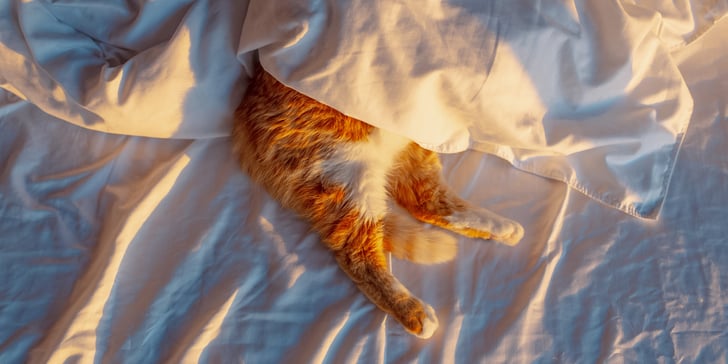
Why do cats seem sleepier when it’s cold?
Cats are famously known for being great at resting, but they do it in style. One minute, they are a blur of activity. Next, they are a furry ornament.
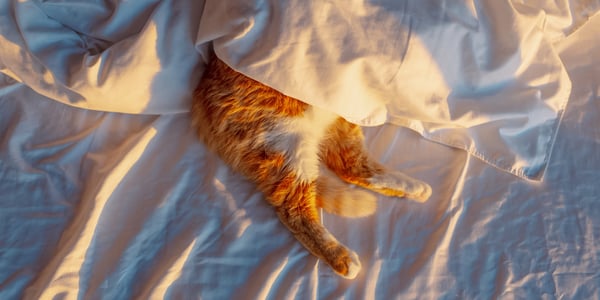
Even though cats typically sleep a lot year-round, they may sleep even longer in winter due to temperature, reduced activity, instinct, and limited sunlight.
Is it the light, the temperature, or both?
It’s both.
During the winter months, your cat may get less natural light. That can shift daily rhythms. For example, reduced light can affect a cat’s circadian rhythm.
This is one reason your cat gets up later, wanders less, and looks offended when you suggest play at lunch time.
Research Gate has an excellent study on the weather and circadian rhythm of certain animals, including cats, so click here to see the science on the subject.
Do cats sleep more to stay warm?
Often, yes.
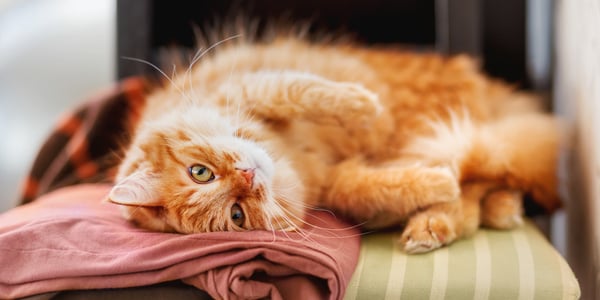
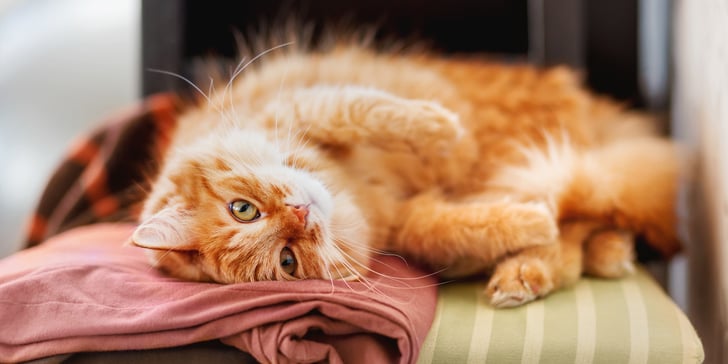
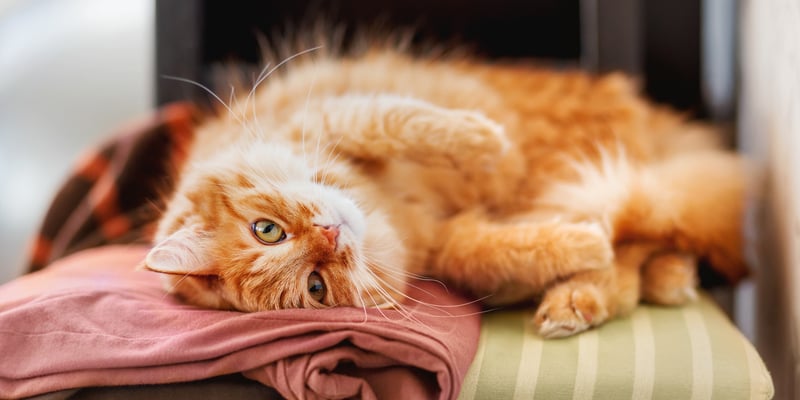
When it’s colder, many cats look for heat and then settle. They are not being lazy. They are being efficient. A warm spot plus a long rest is a classic cat solution.
You might see your feline friend choose the radiator-adjacent cushion like it’s a luxury spa. Very on brand.
What changes for outdoor and indoor cats?
Cats who go outside tend to adjust more.
With rain, wind, and early darkness, outdoor cats may cut back their adventures. That often means less stimulation and fewer chances to run around.
Some will even prefer to stay indoors rather than face wet grass and frosty fences.
At the same time, an indoor cat can still be affected by the season. Your routine changes. The heating comes on. The house goes quieter. Your cat is watching all of it.
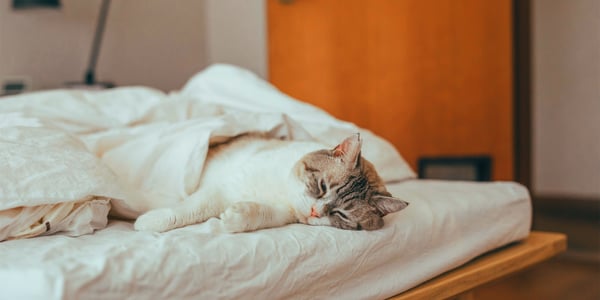
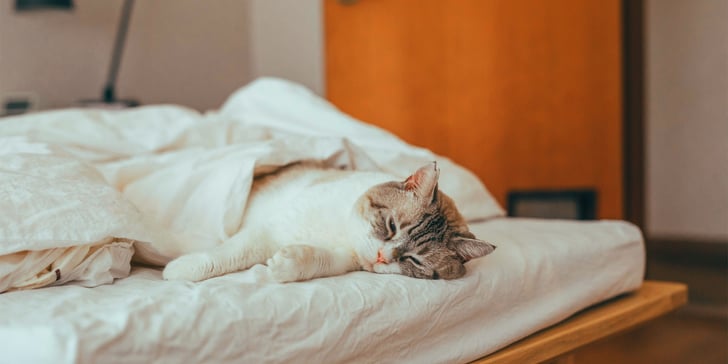
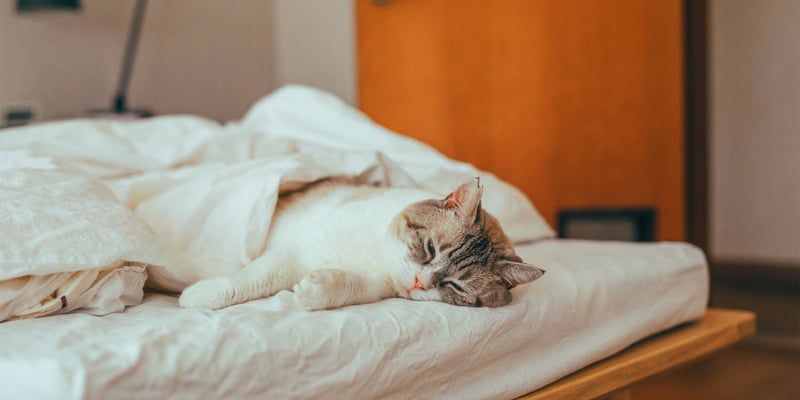
How much extra sleep is normal?
Before we worry, it helps to know the baseline. Many cats sleep around 12 to 16 hours a day, sometimes up to 20 hours.
Another study on the effect of winter on cats can be found here. There is plenty of data on the subject.
If you want a simple benchmark, this guide on how long cats sleep is also a helpful reference point.
A quick check you can actually use
You might start to notice your cat seems slower as the winter creeps in.
Here’s a practical guide on the likely explanation:
A key point: Cats can sleep anywhere, anytime, and still be fine. It’s the full picture that matters.
How to keep your cat warm, entertained, and well
This is where you can make winter easier for both of you. Think comfort plus stimulation.
You can keep cats warm with simple choices.
Add blankets in favourite spots.
Block draughts near beds.
Offer a covered bed if your cat likes a den.
This helps keep them warm even on particularly cold nights.
You do not need to put heating on for your cat’s benefit if they have cosy, dry, draught-free places to rest.
Do older cats sleep more in winter?
Often, yes.
Older cats may rest more in general. The cold can also make stiff joints feel worse.
There’s also evidence that temperature can affect sleep quality in aged cats. One study looked at how ambient temperature influences sleep characteristics in older cats (PubMed). The takeaway is simple: warmth and comfort can matter more as cats age.
Wrapping up
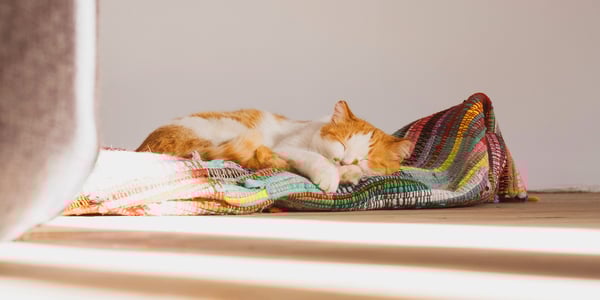
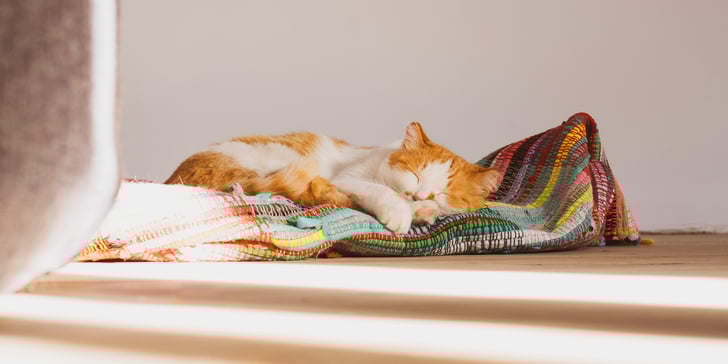
If you’re still thinking, “Is my cat sleeping too much?”, remember: many cats will tend to sleep more when the air is cold, prey is scarce in nature, and the sofa is warm.
It’s a natural instinct that comes from their history as wild cats, even if your furry friends' toughest hunt is finding the sun patch on the carpet.
FAQs
Is it normal that my cat is sleeping more but looks comfy?
Yes. If your cat is happy, eating, and responsive, they may just be choosing comfort. They may choose to sleep in warm places because it feels good. Many domestic cats do this even though food is reliable.
Why does my cat curl up in weird shapes?
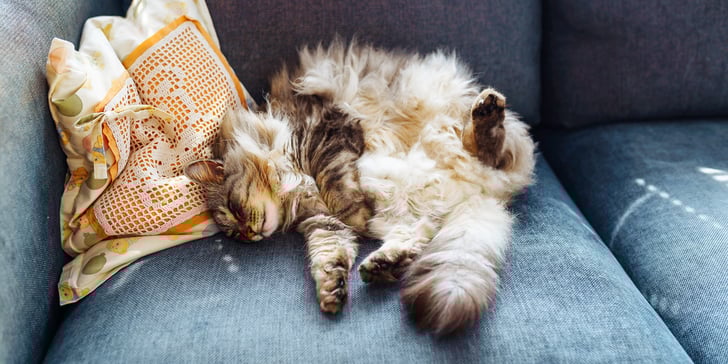
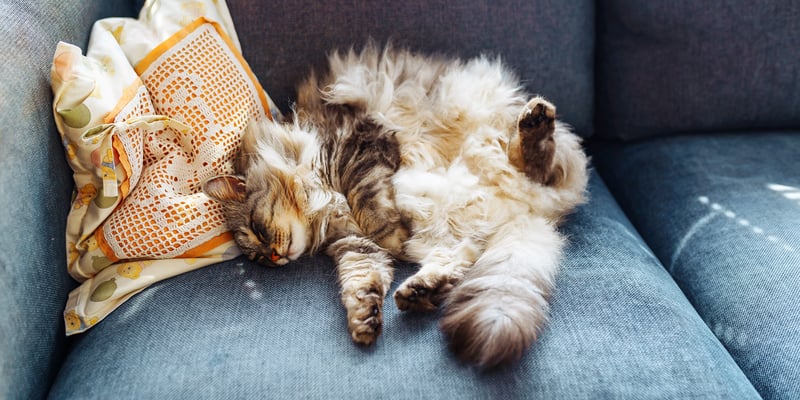
Because cats are experts at comfort and heat. If you want to decode the positions, this guide to cat sleeping positions is a fun read and genuinely useful.
Should I keep my cat indoors when it’s freezing?
If conditions are risky, it can be safer to keep your cat indoors. That said, cats aren’t all the same, and they don’t read weather forecasts. If your cat does go out, do your best to keep it short and safe.
Waggel Pet Insurance
Need more help? You're in luck if you're a Waggel Pet Insurance member. Along with our excellent coverage, we offer access to a 24/7 online vet to answer all your sticky questions, especially if you need grooming assistance.
Not a member? Why not get a quote now and cover your furry friend for a range of illnesses, all while enjoying our amazing perks and rewards.

Want more like this?
Get updates from us with helpful info, advice, answers to frequently asked questions and much more.
Index:
Related posts:
Get your quote
Along with our excellent coverage, we offer access to a 24/7 online vet to answer all your sticky questions.