Why is My Cat Meowing So Much? Understanding Excessive Cat Meowing
Index:
Introduction
If your cat is meowing excessively, being louder, or more vocal at odd times, it is usually your pet asking for something.
The trick is working out whether it is a simple need, a habit we have accidentally trained, or a health issue that deserves a check.
Key takeaways
Excessive cat meowing often comes from hunger, stress, boredom, attention-seeking, hormones, or pain.
Sudden life changes, weight loss, thirst, litter tray problems, or confusion are signs to get help fast.
Night noise is common in older pets, outdoor-driven routines, or when sleep schedules clash.
Reward quiet moments, not noise. It is kinder and it works better.
If you are unsure, book a check up. Ruling out illness saves time and worry.
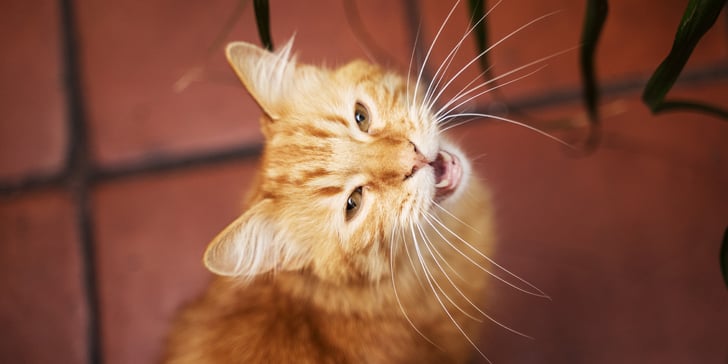
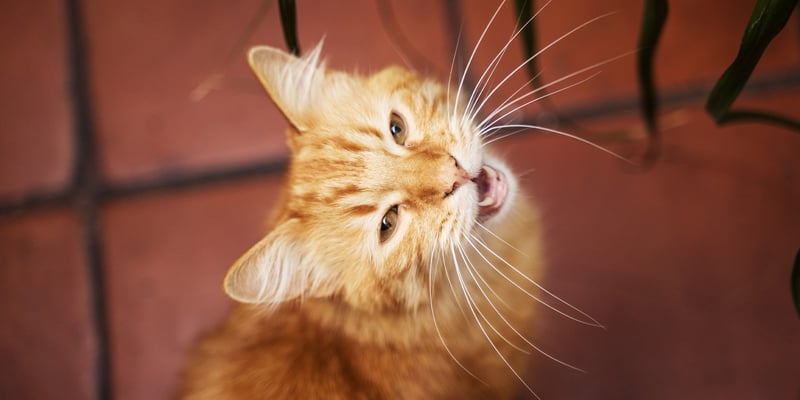
Is it normal, or is something up?
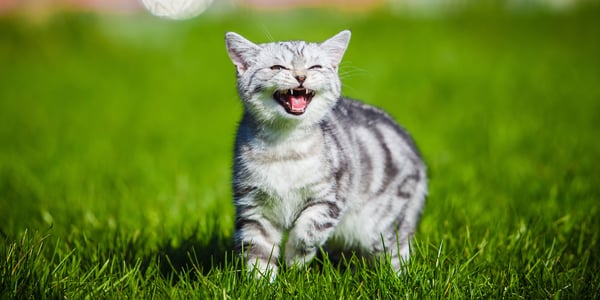
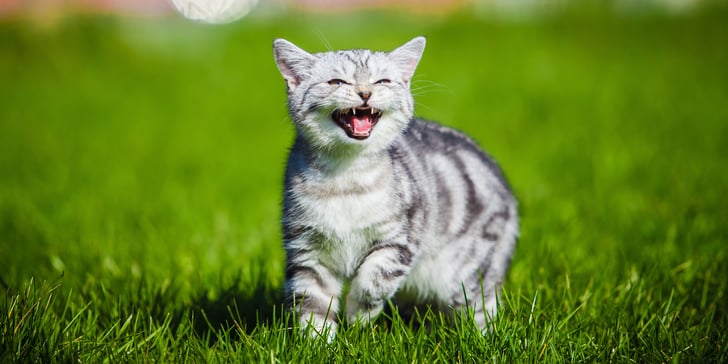
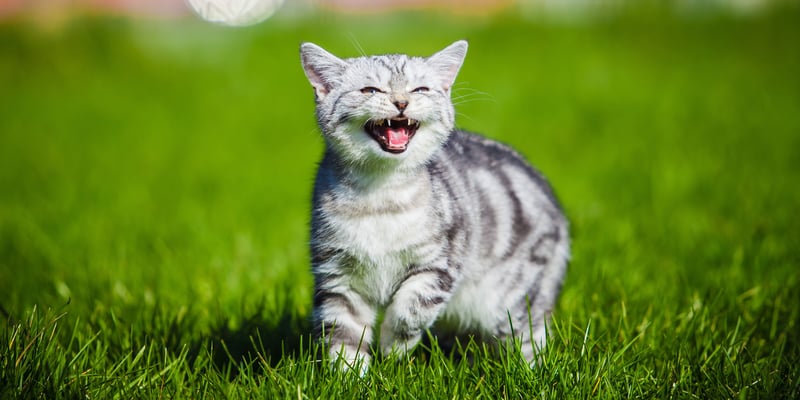
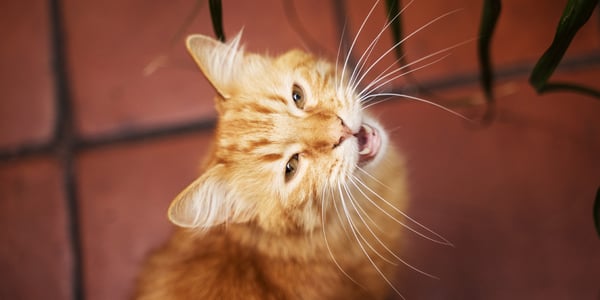
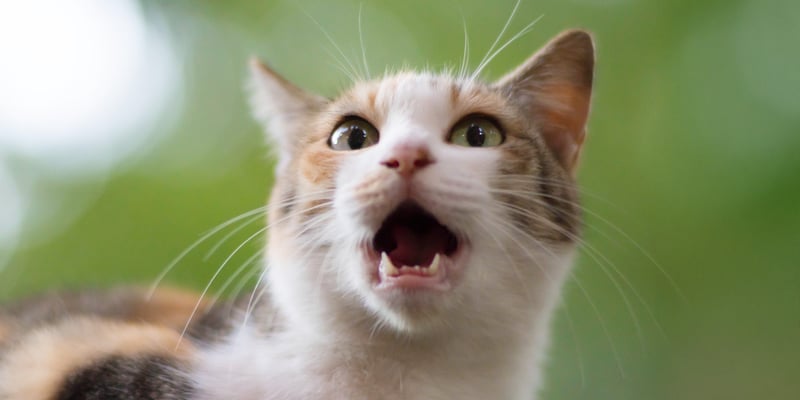
A cat can be naturally chatty, but a cat meowing intensely can feel like living with a tiny, unprofessional opera singer.
You might hear a short meow, a chirpy meow, or long cries that turn into a yowl.
Some pets simply meow more than others, including genetic predisposition for more vocalisation from cat breeds like the Siamese, Bengal, and Burmese.
Where it tips into a concern is when your cat is meowing in a way that is new for them, disrupts sleep, or comes with other changes. That is when it is worth playing detective. Let's look at some common reasons.
Common reasons (and the fastest first checks)
Here is a quick “translate the noise” guide:
Could it be food, habit, or boredom?
Your cat wants things that are often very reasonable, even if the timing is not.
If your pet is on dry food, consider whether portions match their needs. If you change brands, do it slowly and on the advice of your vet. Try a wet food or a mix if instructed to do so.
Sometimes meowing gets results because we respond every time. That teaches your pet that noise works, so your cat will continue the trend.
If you think your pet is under-stimulated, check our guide on whether your cat is bored. It is amazing what a feather wand and five minutes can do.
And if you are noticing a “staring contest” before the noise starts, you might also like why your cat stares at you. It is rarely judgement, even though it can feel like it.
When it could be health-related
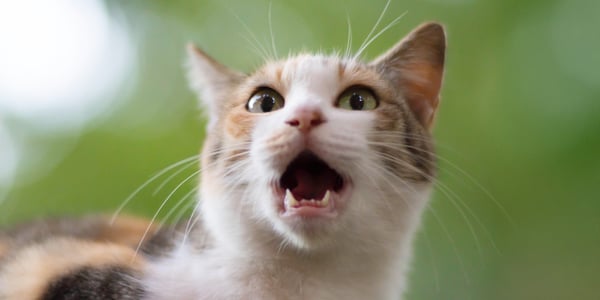
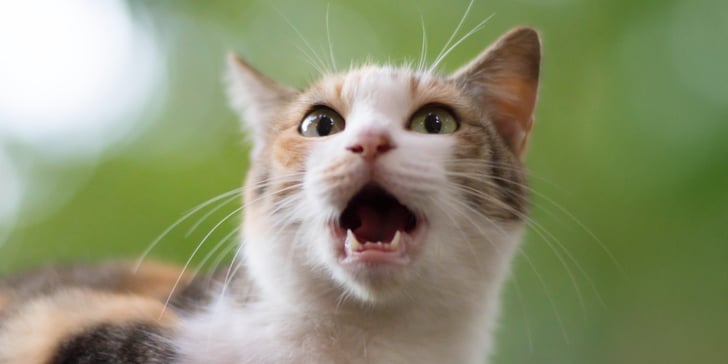
Your cat may be meowing because they feel unwell, it is easy to miss at first. Many pets hide pain and only show it by becoming vocal.
Health issues linked with louder vocalising include thyroid disease, pain, and kidney disease. Behaviour changes can also show up with extra vocalisation, especially at night.
Dial A Vet notes that increased vocalisation in pets with kidney problems can sometimes relate to discomfort, hypertension, or anxiety, and that new or unusual behaviour should be checked by a clinician (Dial A Vet).
A simple “red flag” checklist
See your vet if you notice any of these alongside the noise:
Weight loss or big appetite changes
Drinking much more or urinating more
Hiding, limping, or sensitivity to touch
Vomiting, diarrhoea, or constipation
Confusion, pacing, or getting stuck in corners
If your pet is off their food but otherwise acting fine, this can still matter. See the guide here: my cat is not eating but acting normal.
And if your older cat seems disoriented or more vocal, cognitive changes are possible. Learning the signs of cat dementia can help you spot patterns worth mentioning at an appointment.
If you are unsure, start with a vet visit for a full check, especially if the change is sudden.
A veterinarian can rule out pain, infections, dental disease, thyroid issues, hypertension, and urinary problems. That matters because training tips will not fix discomfort or underlying health issues.
Night-time noise, outdoor triggers, and hormones
Sometimes cats meow at night because their body clock is out of sync with ours.
This can happen if naps run long, play is missing, or the household gets busy only in the evening. It can also happen when a senior cat has reduced vision or hearing and feels unsure.
What about Caterwauling?
Caterwauling is a hard sound to describe, but you'll know it when you hear it. It's kind of like an overdramatic howl and whine combined.
VCA describes caterwauling as a loud, drawn-out vocalisation that can be linked to pain, hormonal causes, stress, or cognitive changes, and recommends a medical check when the behaviour changes (VCA Animal Hospitals).
Outdoor sights, routines, and access
An outdoor cat may call when they want in, want out, or feel frustrated by what they see through a window.
If safe access is appropriate for your home, some owners consider installing a cat door or flap to reduce door-duty.
If you prefer more control, an outdoor cat enclosure can give fresh air without the risks.
Heat cycles and breeding behaviour
Hormones can be loud.
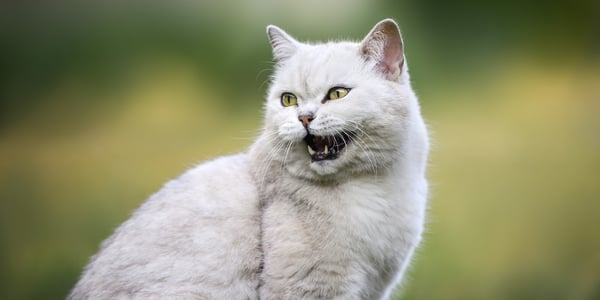
If your pet is unspayed, a female cat in heat can endure intense calling. You may notice them becoming clingy, rolling, and vocal. A female cat in heat can also trigger nearby males.
On the flip side, an unneutered male cat may pace, vocalise, and react if he smells a female cat nearby.
ASPCA explains that cats use vocalisation to greet, seek attention, ask for food, or attract a mate, and notes that some breeds are more vocal than others (ASPCA).
How to reduce the noise without being mean
First, meet needs. Then train the pattern.
Check water, litter tray, temperature, and safe resting spots.
Add short play sessions, especially before bed.
Use enrichment. A cardboard fort works wonders, and there is a reason cats like boxes.
If you want to soothe without rewarding noise, offer attention when calm, not mid-performance.
If your pet purrs a lot and you are unsure what it means in context, it can help to understand why cats purr too.
Putting it all together
Ask yourself these questions
If you are wondering why your cat has become noisy, run through this:
What changed this week? Routine, visitors, work hours, food, litter, location.
Is your pet asking for something specific, or calling generally?
Does it happen at one time each day, or all day?
Is there a health clue, like thirst, weight loss, or restlessness?
A few final notes we see often:
Your cat may simply be a vocal cat. Some pets really do just like a chat.
Your pet may meow more after a move, a new baby, or a new pet. Stress is real.
meowing is their way of talking to us. It is annoying at 3 am, but it is also information.If you suspect your cat is in pain, or your cat is feeling off in any way, do not wait it out.
And if you want a simple rule: make sure your cat has their basics met, and is not showing signs of illness, then train kindly.
Waggel Pet Insurance
Need more help? You're in luck if you're a Waggel Pet Insurance member. Along with our excellent coverage, we offer access to a 24/7 online vet to answer all your sticky questions, especially if you need grooming assistance.
Not a member? Why not get a quote now and cover your furry friend for a range of illnesses, all while enjoying our amazing perks and rewards.

Want more like this?
Get updates from us with helpful info, advice, answers to frequently asked questions and much more.
Index:
Related posts:
Get your quote
Along with our excellent coverage, we offer access to a 24/7 online vet to answer all your sticky questions.