Kitten Proofing 101: Safeguarding Your Home for the Newest Furry Member
Index:

Introduction
Your home can be safe and cosy for a kitten with a few smart changes. kitten proofing is really about removing hazards before curiosity finds them.
Key takeaways
Do a low-level sweep first, then repeat at eye level for a small pet.
Treat dangling strings and loose wires like playful snacks waiting to be targeted.
Lock away chemicals, medication, and risky foods before the first explore session.
Make one “safe room” so settling in feels calm, not chaotic.
Keep toilet and laundry areas shut.
Before day one: set up a safe base camp
If you’re trying to kitten proof your home, begin with one quiet room. This becomes their safe space while they learn the sounds and smells of family life.
You should treat them just like human babies: if it’s within reach, it’s fair game.
If you’re still in the planning stage of bringing home a new kitten, it helps to follow a step-by-step prep guide like this checklist for getting ready.
What do you actually need to buy?
The goal is to make the first week smooth for your new kitten, not to fill your basket with gimmicks.
A practical shopping list (carrier, bowls, bedding, nail clippers, basics) is in Waggel’s buying guide, which is handy when bringing a new kitten home feels a bit “what have we done?” (in a good way).
Think like a cat, then scan your space
Here’s the mindset shift: think like a cat. Get down low, look under sofas, peer behind the telly unit. This is how you’ll find the stuff your curious little sidekick will investigate.
This is one of the most useful essential tips we share with every cat owner: do two passes.
Pass one: floor level (what they can pick up).
Pass two: climbing level (what they can pull down).
This is how you’ll help prevent those “oops” moments where a kitten reaches something you assumed was safe.
Quick hazard swap table (small changes, big impact)



Cords, strings, and “why is that in your mouth?”
Any dangling cord can look like a toy. And yes, a kitty will often treat it like one.
Loose strings can be risky if a pet ingests them. So here's some tips to help prevent that.
Bundle and secure electrical cords behind furniture.
Replace dangly curtain ties where you can.
Be extra careful with blind cords. In the UK, official safety advice recommends using cleats or tensioners and keeping cords out of reach, especially in homes with children, but it’s just as sensible for pets too: GOV.UK blind cord safety.
What if they chew anyway?
Some youngsters try to chew during teething or play. If your kitten gets fixated on a wire, don’t “train it out” by scolding - redirect and offer play, or a chew-safe alternative.
And if your pet is the type that can easily climb bookcases like a tiny mountaineer, make sure to secure tall furniture and remove items they can hook with a paw and yank down.
The kitchen and utility zone: chemicals, plants, and food
Lock away cleaning products and keep wipes, pods, and sprays in a latched cupboard.
Many everyday substances are toxic to cats, and they can be exposed by licking paws or fur after walking through a spill or where you've just cleaned.
International Cat Care also notes that motoring products like antifreeze can be extremely dangerous, and even small amounts can be fatal, so treat the garage or driveway like a high-risk area. Source: International Cat Care: cats and poisons.
If you ever suspect poisoning, UK owners can also use specialist phone advice via Animal PoisonLine.
What about plants and flowers?
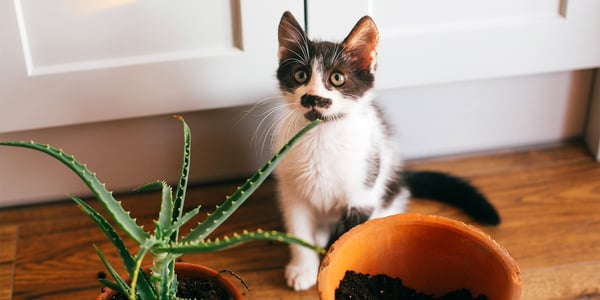
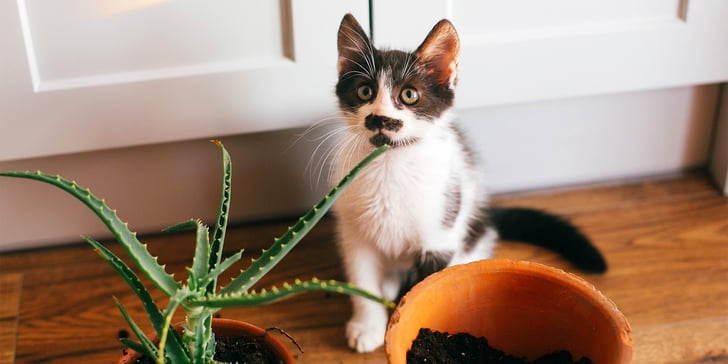
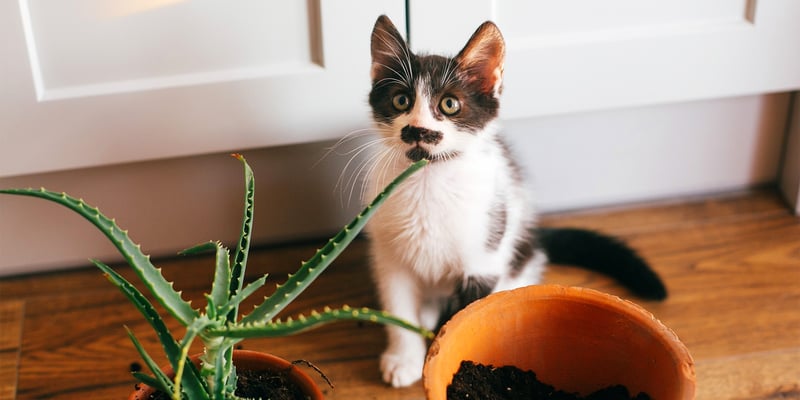
A lot of common houseplants are toxic and can cause serious harm.
Also watch those bouquets - some cut flowers can be a problem, and certain lilies are highly toxic to cats, including exposure via pollen during grooming.
If you’re not sure about a plant, don’t guess. Move it out.
Are there foods to avoid?
Yes. There are foods that are toxic to pets, and the safest default is: don’t share human food unless your vet has cleared it.
Stick to measured, age-appropriate cat food.



Bathroom and laundry: the sneakiest danger zones
Do toilets really matter?
They do - keep the toilet lid down. It prevents attempted drinking, splashing, and the occasional “how are you even in there?” moment.
Kitten proofing laundry
Laundry appliances are classic hiding places. Always check the drum before you switch on the washing machine and tumble dryer.
Pets can also become trapped in cupboards, utility rooms, or behind doors if you don’t notice them slipping in. So keep the door to bathrooms and laundry spaces shut when you can, and especially during busy times like loading shopping.
Scratching, climbing, and play without chaos
How do you protect your furniture without a battle?
Give them a cat friendly legal outlet early - a sturdy scratching post (placed near where they want to scratch) prevents drama later.
If you want help building the habit, see how to encourage scratcher use. If the sofa is already taking hits, these tips for stopping furniture scratching are practical and kind.
What about toys?
Choose cat toys that don’t shed small parts and rotate them to keep interest up. Kittens love novelty.



Introductions and boundaries
When can they explore the whole place?
They might want to roam the house to scout their domain but start with one room, then expand.
This matters whether you live in a house or apartment. Stairs, balconies, and tight gaps change the risk picture, so do a sweep around your home before you open up new areas.
When you finally give access to the whole house, do it after meals and play, when energy is lower. That’s how you keep your kitten from bouncing off the walls at midnight.
What if you already have another pet?
Introductions need patience, especially if you have adult cats or an older cat who likes routine.
A new cat can feel like an invasion at first. Use scent swapping, separate feeding areas, and ensure calm supervision so you keep your cat feeling secure.
There is no single best cat personality for every household, but every pairing improves with slow, respectful pacing. Every cat deserves that courtesy as they welcome their new family.
Litter, handling, grooming, and peace of mind
How do you set up the toilet area?
Place the litter box somewhere quiet, not next to loud appliances. Choose a cat litter that’s low dust if possible, and keep the location consistent, especially at first.
Also, a simple routine for cleaning the litter box helps avoid accidents and stress.
How should you pick them up safely?
If you’re nervous about handling, you’re not alone. It’s worth learning a gentle technique so you can be sure your kitten feels supported, not grabbed.
This guide on how to lift safely is a good reference, especially for a wiggly young cat.
Do you need insurance?
Many families will be concerned about the health of their new pet. All pet parents worry about vet bills and costs because we know that accidents can happen fast, even if we did everything “right”.
We feel that insurance should be part of welcoming a new pet, helping to protect them, your wallet, and your peace of mind.
So it's important to do your own research about what is best for you and your pet. If you would like to get a quote with Waggel, you can use our simple quote form here.
When should you ask for help?
If you’re stuck on behaviour issues, a qualified cat expert can help you choose the best plan for your home and your pet’s temperament.
Because kitten-proofing your home is not about perfection. It’s about smart choices that keep your new furry friend out of trouble, with fewer “what is that?” moments and more cuddles.
Waggel Pet Insurance
Need more help? You're in luck if you're a Waggel Pet Insurance member. Along with our excellent coverage, we offer access to a 24/7 online vet to answer all your sticky questions, especially if you need grooming assistance.
Not a member? Why not get a quote now and cover your furry friend for a range of illnesses, all while enjoying our amazing perks and rewards.

Want more like this?
Get updates from us with helpful info, advice, answers to frequently asked questions and much more.
Index:
- Introduction
- Before day one: set up a safe base camp
- Think like a cat, then scan your space
- Cords, strings, and “why is that in your mouth?”
- The kitchen and utility zone: chemicals, plants, and food
- Bathroom and laundry: the sneakiest danger zones
- Scratching, climbing, and play without chaos
- Introductions and boundaries
- Litter, handling, grooming, and peace of mind
- Do you need insurance?
- When should you ask for help?
Related posts:






Get your quote
Along with our excellent coverage, we offer access to a 24/7 online vet to answer all your sticky questions.