How Often Should You Take Your Dog to the Vet in the UK? Age by Age Guide
Index:
Introduction
We all love our dogs and we want to have the most healthy and rewarding time with them.
But a lot of questions arise around their health, including how often they need to see a vet.
Short answer: In the UK, a healthy adult dog usually needs an annual checkup or annual wellness visit.
A senior dog generally benefits from seeing a vet every six months. Puppy care is more frequent, with visits every 3 to 4 weeks, mainly until vaccinations are complete.
This rhythm helps your veterinarian spot issues early.
Key takeaways
A healthy adult dog simply needs to book a yearly vet check-up for a full wellness exam and boosters.
Senior dog: most UK vets recommend a vet every six months because age-related health conditions rise with time.
Puppy: visits every 3–4 weeks until 16 weeks, as they need several rounds of vaccinations; A good vet will also discuss parasites and socialisation.
Go sooner if your dog seems off. If you spot urgent signs, contact your vet or an emergency vet.
Thoughtful routines and regular vet visits could save you the cost of expensive treatments later.
Puppies: birth to 6 months
Visits and vaccines
You’ll take your puppy for their first vet visit around 8 weeks. That first vet appointment sets up the schedule, and many pups are going to need several rounds of vaccinations, with boosters for core diseases.
These vaccines will be given to your puppy over the course of several weeks; each dose must be given to your puppy on time to build protection. You can review more info here in our puppy vaccination guide.
During these visits, your vet will also check growth, teeth, and behaviour, and may start parasite prevention. See our parasite primer: puppy worming tablets.
If your pup mixes with others, your vet may recommend the vaccine for kennel cough.
Neutering and planning ahead
Discuss timing with your vet and ask them how it fits your breed and lifestyle.
Neutering is an important procedure for pet owners, as it helps prevent unwanted puppies from arriving by surprise.
When planning ahead, consider how things like pet insurance could support future care.
To help your pup love clinics, see what actually happens behind the scenes: Behind the scenes at the vets. Making each vet visit calm early on helps lifelong confidence.

Healthy adults: 1 to 7 years
Routine schedule
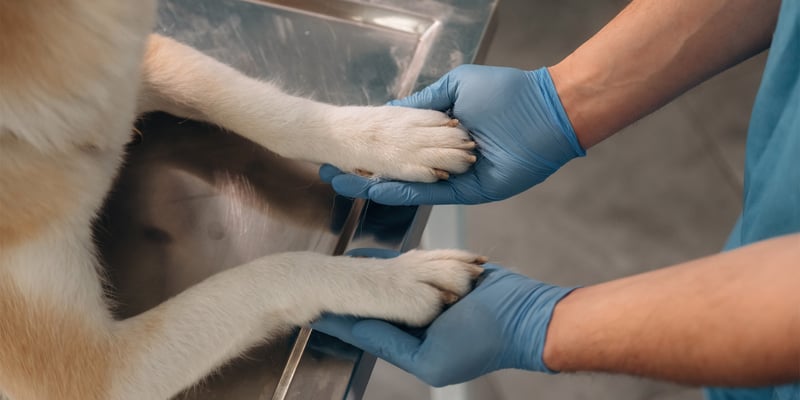
For healthy adult dogs, a yearly vet checkup or annual wellness visit is typical in the UK.
Obviously, you could still visit the vet outside boosters if something changes.
At these appointments, your vet will perform a head-to-tail review and examination of your pet.
They will weigh your dog, assess body condition and oral health, and your vet will monitor trends over time. Your vet may recommend blood or urine screens if risk factors are present.
They’ll also update any vaccine needs, including non-core options like kennel cough or the canine influenza (dog flu) vaccine, if your dog gets groomed or goes to daycare.
Review parasite and tick risk seasonally. UK ticks can transmit disease; see our blog post on everything you need to know about ticks.
Dental care also matters; you'd be surprised at the number of vet visits owners make for dental issues.
Seniors: 7+ years, earlier for giant breeds
Why increase frequency
As dogs are typically considered senior around 7 (and large breeds sooner), UK experts advise a vet visit every six months to catch silent issues.
At these visits, your vet will be able to assess cognition, joints, blood pressure, and organs, and also advise on comfort at home. Seniors need more frequent checks because subtle changes add up.
For more advice, look out for our content on increased thirst in older pets, and if toileting is changing, read our blog post on understanding dog incontinence.
Also, your dog might be stiff or sore, so your vet may suggest pain relief or physio. Just be sure to keep your pet comfortable with aids such as ramps, warm bedding, and sensible walks ( and more cuddles, of course).
Useful reminders:
Please take your dog to the vet for a review if mobility dips.
It’s sensible to book your dog a vet appointment every spring and autumn. Set phone reminders for alerts.
Even if your dog seems fine, screening always helps.
When to go to the vet sooner
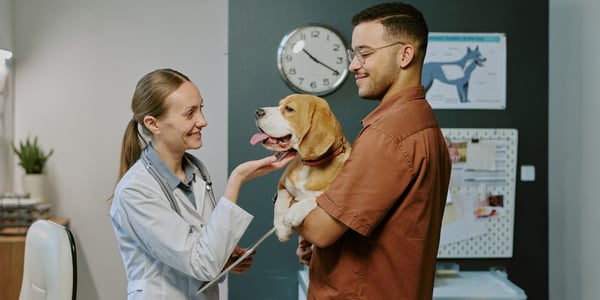
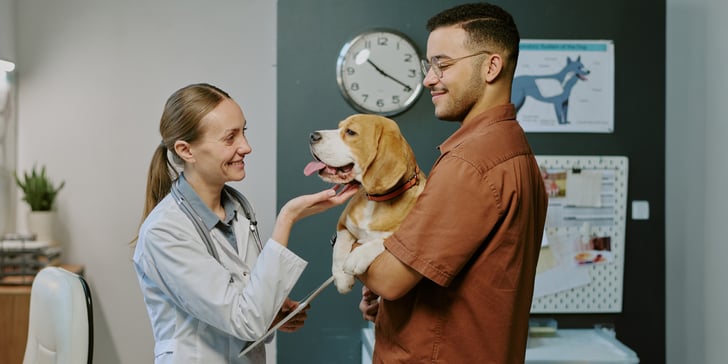
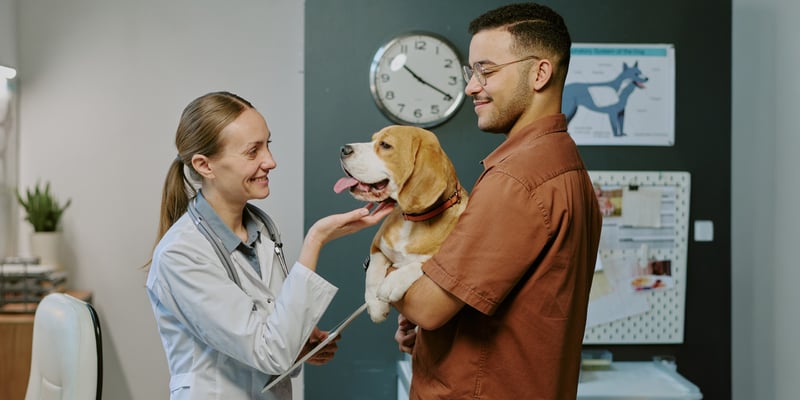
Book an appointment with your vet or contact your vet if your dog seems off. If urgent signs appear, go to an emergency vet or call your practice.
Red flags where you should go to the clinic or call the vet immediately:
Breathing trouble, collapse, seizures, bloated abdomen, repeated vomiting or diarrhoea, or sudden inability to stand.
A wound or eye injury.
When in doubt, contact a vet as soon as possible. It’s the mark of a responsible dog parent.
FAQs
How often should I take my adult dog to the vet?
For a typical adult, most pets need annual exams or checkups. If risks rise, increase cadence. As dog owners, we all know our dogs are unique, so don't hold off if you notice something is wrong and you think your dog needs to see the vet in between scheduled visits.
What happens at a wellness visit?
Your vet will perform a head-to-tail exam and likely a lifestyle chat. They may run labs and tailor prevention if the pet's health warrants this.
Seeing a vet regularly and having a head-to-tail examination of your pet can help them identify early signs of issues and tailor care plans.
What if my dog hates clinics?
Talk about pre-visit meds and practice calm entries. Tele-advice can help you prepare, and Waggel members benefit from Joii petcare for initial queries; however, dogs still need to visit in person for vaccines and exams.
What about if my dog is pregnant?
Yes, pregnant dogs need closer monitoring. Your team will guide scans and nutrition. Always ask your vet about care plans and when to bring your pet for checkups during pregnancy.
Does prevention really pay off?
Yes! Regular care provides your vet with trendlines, providing your vet with the opportunity to catch disease earlier, and could save you the cost of big interventions.



Final thoughts
Taking your dog to the vet keeps small things small - puppy jabs, quick weigh-ins, and a check of teeth and joints. Five or ten minutes can save a lot of worry later. You'll also get straight answers to the little questions that build up at home.
Keep an eye on your dog, book the check-ups, and treat your vet like part of your family. Do that, and you’ll get more good days, more muddy walks, and a tail that still thumps the sofa for years.
Waggel Pet Insurance
Need more help? You're in luck if you're a Waggel Pet Insurance member. Along with our excellent coverage, we offer access to a 24/7 online vet to answer all your sticky questions, especially if you need grooming assistance.
Not a member? Why not get a quote now and cover your furry friend for a range of illnesses, all while enjoying our amazing perks and rewards.

Want more like this?
Get updates from us with helpful info, advice, answers to frequently asked questions and much more.
Index:
Related posts:






Get your quote
Along with our excellent coverage, we offer access to a 24/7 online vet to answer all your sticky questions.