Summary
Index
Introduction
If you are choosing a new family dog, shedding is a big deal. We get it. You want hugs, not hoovering. So, do Labradoodles shed? Short answer. Yes, but how much depends on the coat type, genetics, and grooming.
Let’s keep this friendly, factual, and practical, so you feel confident caring for your Labradoodle’s coat without filling the vacuum every day.
Key takeaways
All dogs shed a little. A Labradoodle may be a low-shedding or medium-shedding type if the coat is fleece or wool.
Generations matter. An F1 Labradoodle is less predictable. Backcrosses can shed less. Coat genetics affects how much hair they drop.
Smart care works. Regular grooming, regular brushing, and good nutrition help remove loose hair and prevent a mat.
No dog is 100% non-shedding. For people with allergies, keeping up with grooming could make reactions less likely to cause issues.
Want to see the background on the cross itself? Read 'What is a Labradoodle?' It explains that Labradoodles are a mix of Labrador Retriever and Poodle, and how that shapes your dog’s coat.
Evidence-based note
Shedding varies by coat and generation. Many sources agree that fleece and wool coats are lower shedding, while hair coats shed more. You can read a good summary here: Canine Journal.
How shedding works in a Labradoodle
A Labradoodle is a cross between a Labrador and a Poodle. Coat outcomes will vary.
The Labrador Retriever is a classic double-coated breed and tends to shed. See the Labrador breed guide for everything you need to know about Labradors.
The Poodle contributes to curls and a coat that can trap hair, so this is less likely to cause a mess. See the Poodle breed guide for more info on the breed.
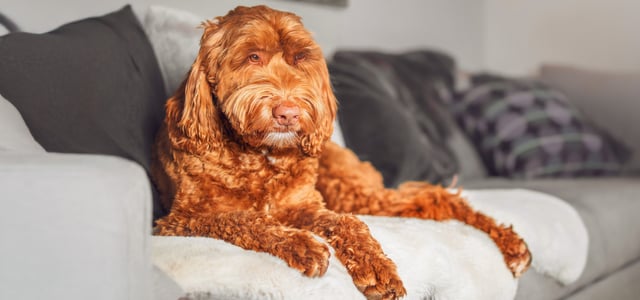
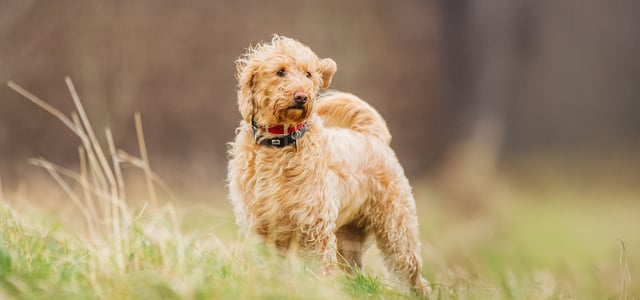
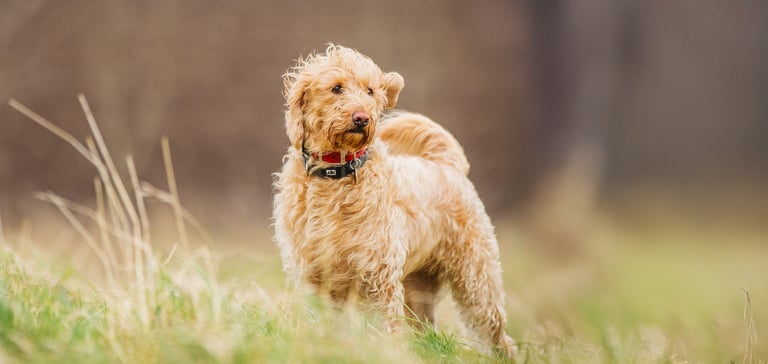
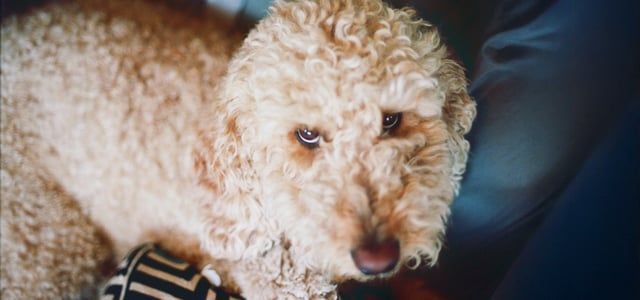
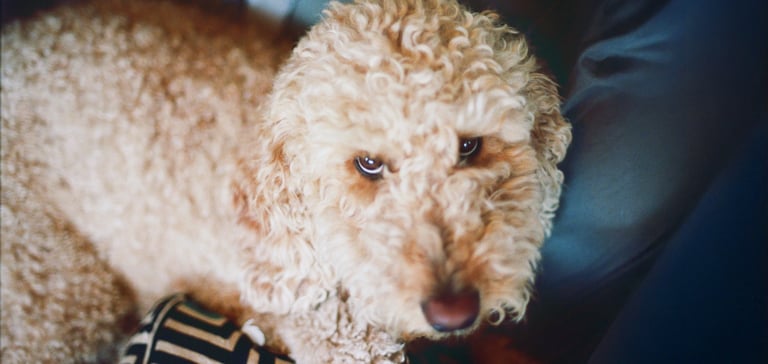
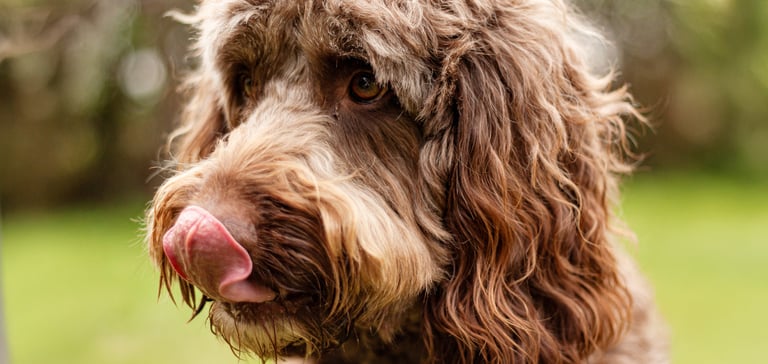
Because Labradoodles are often single-coated, their coats tend to drop less into the environment. The hair may stay in the curl until you brush it out. That is why grooming sessions are important to manage shedding and keep the coat healthy.
Coat types and what they mean for shedding
Here is a simple table to help with understanding Labradoodle coat outcomes. Your dog may move from puppy fluff to a more mature texture as the adult coat comes in.
Generations and shedding
F1 Labradoodle: The first cross. Coats can be variable. Some are curlier, some straighter. This affects how much they shed.
F1B and multigen: More Poodle mixes in the pedigree. Coats often curl more and shed much less.
Remember each dog is an individual and every Labradoodle is unique.
Curious about size and how it links to lines? See 'How big do Labradoodles get?' - it gives useful context on growth and generations while you are looking for a puppy.

Shedding myths, clarified
Myth: They are truly non-shedding dogs.
Truth: All dogs shed a little. Some non-shedding coats drop hair so slowly that it stays in the curl.
Myth: Colour changes shedding.
Truth: Colour does not decide how much hair a dog loses. Texture does. See our blog post on dogs that don’t shed for a plain-language look at low-shedding dogs.
Myth: Allergies vanish with a Doodle.
Truth: Dander and saliva are the issues with allergies. Low-shedding breeds may be less likely to cause symptoms, but test first if you have an allergy.
How much do Labradoodles shed day to day?
Fleece or wool coats can shed very little in many homes. You find more hair in the brush than on the floor.
Hairy coats may shed more, especially during the switch when the adult coat comes in.
Expect light, steady loss instead of seasonal blowouts. That is typical for single coats.
Grooming to keep shedding low
All dog owners want to keep their coat healthy, prevent matting, and remove loose hair before it spreads. A little routine saves a lot of lint rolling down the line.
Example weekly home routine
Use a slicker brush to part the coat to the skin. This will help remove loose hair and also prevent knots that trap clumps of hair.
Add a combing routine around the ears, armpits, tail base, and collar areas.
Quick tidy of the feet and hygiene zones if needed.
Bathing
Use mild dog shampoo. Rinse well.
Blow-drying on low heat is best while brushing. This helps stop tangles and supports healthy hair and growth.
Space baths sensibly to protect skin and coat oils.
Professional care
Visit a trusted groomer every 6 to 10 weeks to help manage shedding and keep a neat shape.
Ask for a schedule that suits your dog’s lifestyle, and your time, so you keep visits at these regular intervals.
Tools and home hacks
A pet vacuum with a HEPA filter is handy.
Microfibre throws on sofas can rescue laundry day.
Keep a pocket roller by the front door. It WILL be handy. We promise.
Nutrition and shedding
Great coats start in the bowl. Quality food that gets all the necessary nutrients supports shedding and skin health.
Look for complete diets with omega-3s for healthy hair.
Hydration and slow diet changes help the dog’s coat and tummy.
If shedding spikes, check parasites, stress, and diet first.

Common questions
Do Labradoodles shed a lot?
Most Labradoodles typically do not. Many shed very little if the coat is fleece or wool. Hair coats tend to shed more. Your home routine affects how much hair you see day to day.
Are they hypoallergenic?
No dog is zero allergen. That said, fleece and wool coats are less likely to cause symptoms for some people. Spend time with a similar coat before you commit.
When will my puppy start shedding more?
As the adult coat comes in, you may see more hair. That is normal. Keep up regular brushing to help remove loose hair and prevent tangles.
Can grooming really reduce shedding?
Yes. Grooming sessions and smart bath routines help remove loose hair and prevent mats. Consistency is the secret to manage shedding and keep their fur tidy.
For a deeper breed overview, save this as your new go-to: Labradoodle Breed Guide.
Coat type vs expectations table
Planning the journey with care costs in mind? Compare cover with Labradoodle pet insurance.

Final tips from the grooming apron
Keep sessions short and kind. Treats help.
Build a habit you can keep. Ten minutes most days beats a marathon.
If your Labradoodle is flat-coated or has the hair coat, book extra time to remove loose hair.
If you are looking for a puppy, ask the breeder about parents’ coats, any non-shedding coats, and whether they expect much they shed as adults.
A healthy routine can reduce shedding and keep your home calm and clean.
We are a community of dog lovers, and we know real life is busy. With steady care, any Labradoodle shedding should be easy to live with. The cuddles are worth the brush time!

From everyday questions to expert advice, we’ll help you feel confident in every moment of pet parenthood.
Less stress, more love.
Along with our excellent coverage, we offer access to a 24/7 online vet to answer all your sticky questions.