Summary
Index
Introduction
You may love the wild look, the glittery coat, and that “mini leopard” overall vibe. But you also want a cat who fits real life, not just your camera roll.
So while a Bengal cat can be a joyful pet, their sometimes wild behaviour might not suit all of us. But overall, they're smart, energetic, and very sure of their own opinions.
Let's do a deep dive into the true pros and cons, so you can decide with confidence.
FYI, for a deeper overview of the breed, start with this Bengal cat breed guide.
Key takeaways
Bengals are high-energy, highly intelligent cats that need daily play and mental challenges.
They can be loving and social, but they are rarely “couch potato” cats.
Expect strong hunting instincts, climbing, and curiosity that can get them into trouble.
Scratching and vocalising are common if they are bored or under-stimulated.
They can do well with families and other pets when introduced carefully and given enough enrichment.
Choose a responsible breeder and plan for ongoing costs like quality food, enrichment, and insurance.
If you want a calm lap cat, you may be happier with a different breed.
Bengal cats at a glance: what you are really signing up for
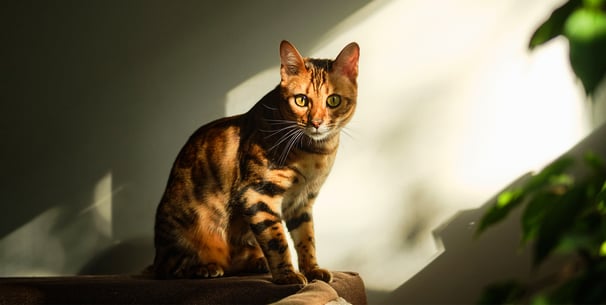
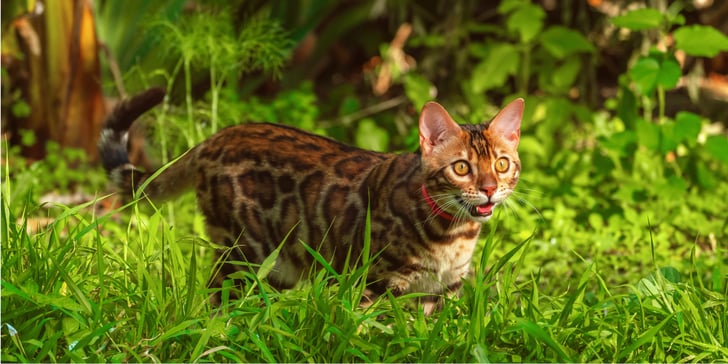
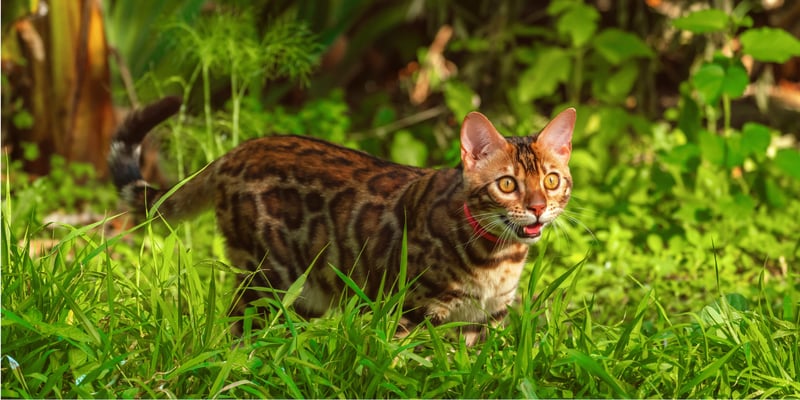
A Bengal is a cat breed designed to look wild while seemingly masquerading as a domestic cat. Think of them like a sports car: gorgeous, fast, and thrilling, but not ideal if you only drive to the corner shop for milk.
Most Bengals are confident animals who are athletic and people-focused. They often follow you from room to room, “help” with chores, and supervise your life choices.
But they also need structure. Without it, they can invent their own fun, which tends to involve jumping around, lots of speed, and finding your most breakable items.
Where the wild look comes from
The Bengal’s beginnings are from the Asian leopard cat, a small wild type of feline. The goal was a striking spotted coat, like a leopard, paired with a friendly temperament suited to home life.
Modern Bengals are many generations removed from wild ancestry. Still, their energy and drive can feel “wild” in a normal living room.
Pros and cons of Bengals (the honest list)
Pros: why people fall in love with Bengals
They can be quite affectionate and enjoy being near you, 'chatting', and joining in, even if they are not necessarily lap cats.
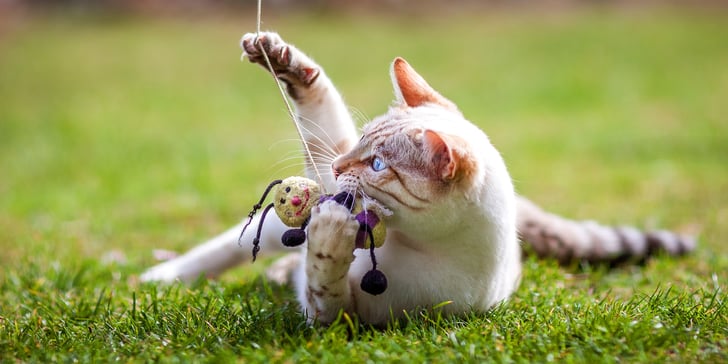
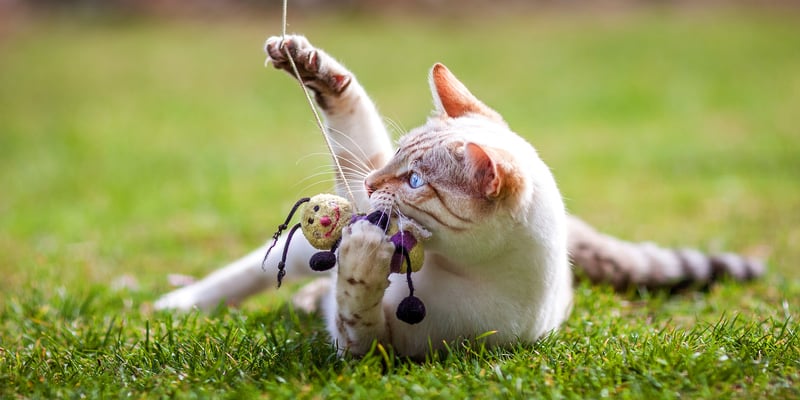
Playful and fun: they bring a lively vibe to your home and often seem more energetic than other breeds.
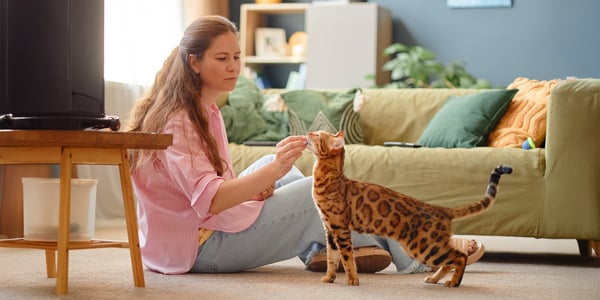
Smart and trainable: many learn tricks and puzzle toys fast.
Stunning coat and athletic build: they look like a tiny jungle cat, without needing a jungle.
Often social with the right setup: they can do well with respectful kids and cat-friendly dogs when introduced properly.
Cons: what can catch owners off guard
High daily exercise needs: a quick wand-toy wave is not enough for many Bengals.
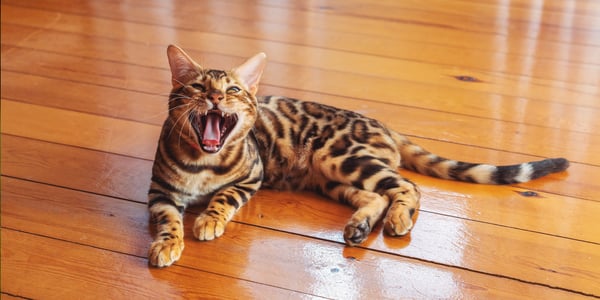
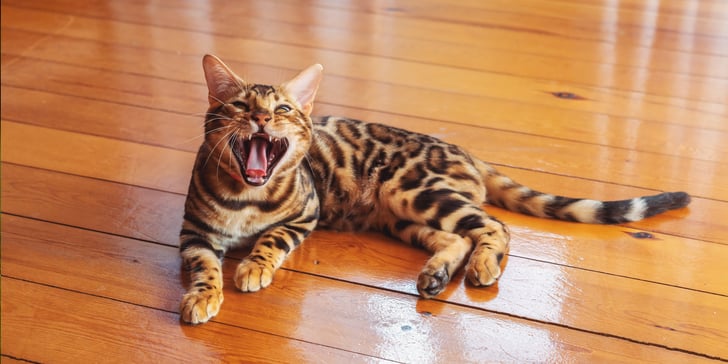
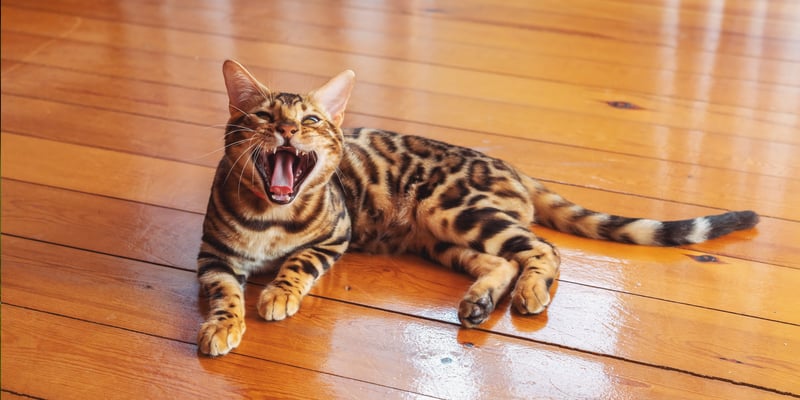
They can be loud: some Bengals “talk” a lot, especially when bored or demanding attention.
Destructive behaviour risk: scratching, climbing, and knocking things over can happen if they lack outlets.
Strong prey drive: small pets may not be safe, and outdoor access needs careful thought.
Not always a cuddle bug: if you want a calm lap cat, this may not be your match.
Temperament and daily life with Bengals
The word temperament gets used a lot, but daily life is what matters. Bengals tend to be bold and curious. If you open a cupboard, expect a nose to appear. If you move furniture, expect an inspection.
They also get bored easily. If you have ever wondered whether your cat is under-stimulated, this guide on signs your cat is bored is a helpful reality check.
Do Bengals make good pets for busy households?
They can be good pets for active homes where someone is around often, or where you can provide structured enrichment.
If you work long hours with no plan for play, company, and stimulation, a Bengal may struggle.
That does not mean you must be home 24/7. It means you need a routine: morning play, evening play, puzzle feeding, and vertical space. Bengals respect a schedule, and they will remind you if you forget it.



Play, enrichment, and the need to entertain
Bengals do not just like toys. They need a lifestyle that helps them entertain and exercise their brains and bodies in healthy ways.
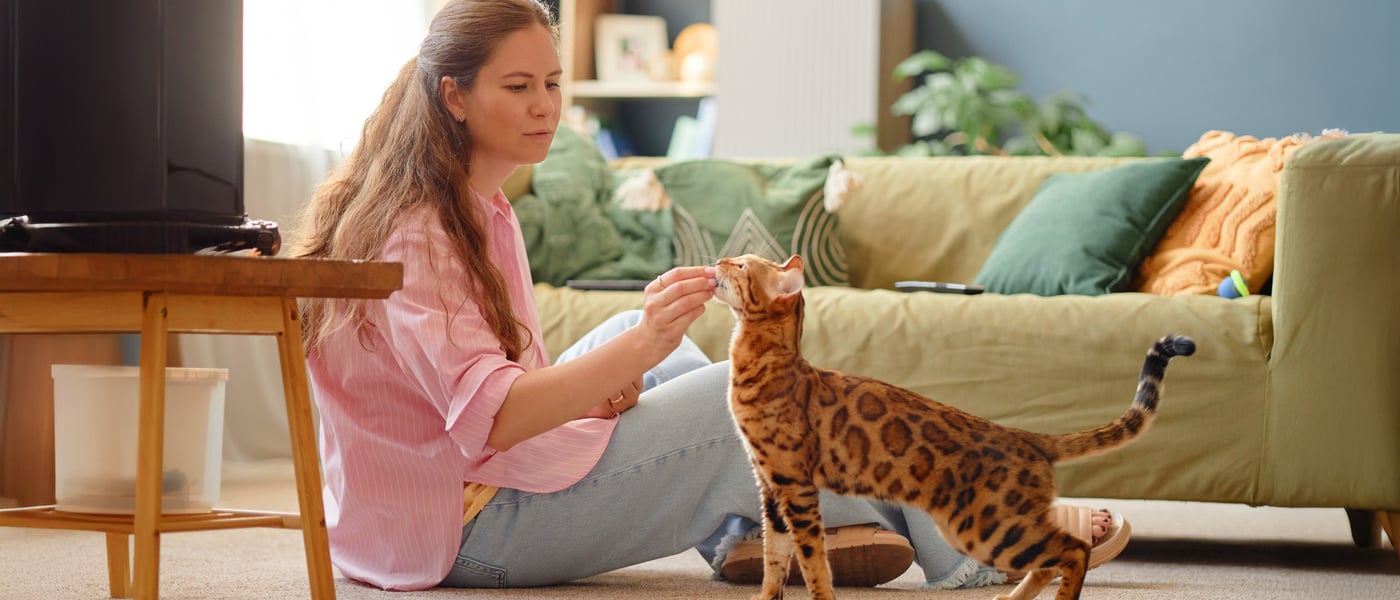
Prospective owners need to have the time for at least two solid play sessions daily. Rotate toys, use food puzzles, and provide tall cat trees or a cat shelf.
Vertical space for your cat is like adding extra rooms to your home, without moving.
Scratching, climbing, and saving your sofa
Scratching is normal cat behaviour, but Bengals can take it to an Olympic level. The fix is not punishment. It is giving them better options and making those options irresistible.
If your cat ignores the post, try these practical steps on how to get a cat to use a scratching post.
And if your furniture is already suffering, this guide on stopping cats from scratching furniture can help you set boundaries without turning your home into a “no-fun zone”.
Water, marking, and litter box realities
Many Bengals love water. Some will almost comically splash in bowls, and some will join you in the bathroom like tiny lifeguards. A few will even try to climb into the shower. Keep toilet lids down and consider a pet water fountain to redirect that interest.
Another topic owners often complain about is marking. This can happen with any cat, but there are some key strategies for managing this behaviour:
The "N+1" litter box rule: You should have one more litter box than you have cats (e.g., 3 boxes for 2 cats). For Bengals, these boxes should be in different locations to avoid "resource guarding" or conflict.
Cleanliness is critical: Bengals are notoriously picky. Scooping at least once daily and a full scrub-down of the box with unscented soap twice a month is often required to prevent "protest" urination outside the box.
Reduce territorial stress: If your Bengal sees "intruder" cats outside, they may spray near windows or doors to defend their space. Closing blinds or using motion-activated sprinklers to keep stray cats away from your garden can help.
Enzymatic cleaners: Standard household cleaners (especially those with ammonia) can actually attract a cat back to the same spot because they smell like urine to a feline. Always use a pet-specific enzymatic cleaner to fully break down the scent.

Breed size and required space
Bengals are athletic, medium-to-large cats. If you are curious how they compare to other big cats, this roundup of the biggest domestic cats and largest breeds puts things in perspective.
What about home size? Well, space matters, but design matters more. A small home can work if you go vertical and enrich the environment. A large home can still be boring if it is flat and empty.
The key is to provide them plenty of attention, activities, and climbing space to satisfy their nature.
Kitten-proofing is not optional
A Bengal kitten is adorable, chaotic, and surprisingly good at finding danger. Loose cords, fragile décor, houseplants, and open windows are all invitations.
Before your kitten arrives, use this checklist for kitten-proofing your home. It is like baby-proofing, but with more climbing and fewer nappies.
Health, costs, and choosing the right breeder
Buying a Bengal is not just a one-time expense. You should plan to buy quality food, large scratching posts, tall cat trees, puzzle feeders, and regular vet care or proper insurance.
Remember, Bengals are active, and active cats tend to find creative ways to injure themselves. If you have ever seen a cat attempt a flying leap and miss, you know what we mean.
Picking a responsible breeder
A good breeder will prioritise health and temperament, not just flashy markings. Ask about genetic testing, early socialisation, and what support they offer after you take your cat home. Meet the kittens in a clean, calm home environment, not a rushed handover in a car park.
Modern Bengals should be well removed from wild ancestry, and reputable breeders will be transparent about lineage and generation.
Insurance and planning for the “just in case” moments
Because Bengals are stereotypically curious, many owners choose insurance early. This guide to choosing cat insurance can help you understand more and to decide what level of cover fits your budget and risk comfort.

Bengals vs. other more "wild" breeds
Is a Bengal right for you? A simple self-check
If you are on the fence, try this personal reflection: Imagine it is a rainy evening and you are tired after work. Your Bengal still wants a full play session, and they will remind you (loudly).
You ignore them, and they start climbing up the curtains until you play. Afterwards, they follow you around for attention. If that sounds annoying, this may not be your match.
If it sounds kind of fun, and you want to be active with your cat, then you are in the right mindset.
Here are a few questions to ask yourself:
Can you commit to two active play sessions most days?
Do you enjoy training and interactive toys, not just passive cuddles?
Is your home set up for climbing, scratching, and safe exploration?
Are you prepared for a cat who may “talk back”?
Do you have a plan for holidays, pet sitters, and routine changes?
Take the next step with confidence
If you think Bengals might be your people, you're in for a beautiful pet with wild roots. If you decide a Bengal is not the right fit, that is still a win, because you are choosing the right cat for your life.
When you are ready, revisit Waggel and get an insurance quote to protect your new friend, helping them thrive from day one.

From everyday questions to expert advice, we’ll help you feel confident in every moment of pet parenthood.
Less stress, more love.
Along with our excellent coverage, we offer access to a 24/7 online vet to answer all your sticky questions.