Summary
Index
Introduction
British Shorthairs are good pets for many homes because they are calm, sturdy, and easy to live with. If you want a companion who enjoys being near you (without being glued to you), this is a strong pick.
Key takeaways
They are friendly and steady, but not usually clingy lap cats.
Their plush coat is low-maintenance, but brushing still helps keep shedding down.
Weight control matters because this popular breed can be prone to getting a bit, well, round.
UK ownership costs are often similar to those of other domestic cats, with big swings based on food choices and vet needs (see table below).
Insurance can help with surprises, especially for conditions like hypertrophic cardiomyopathy.
Temperament: what it’s like living with this breed
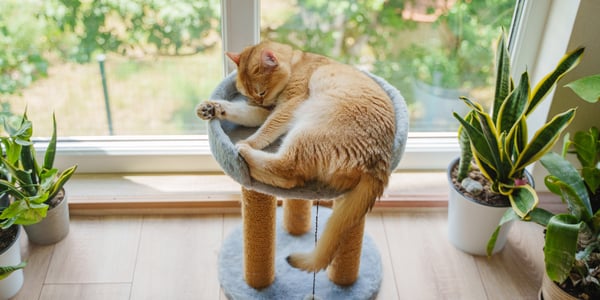
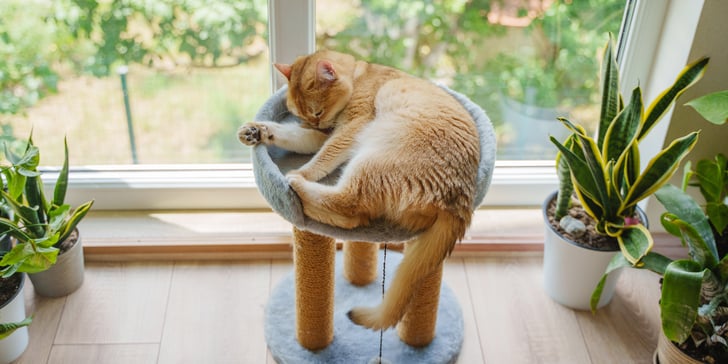
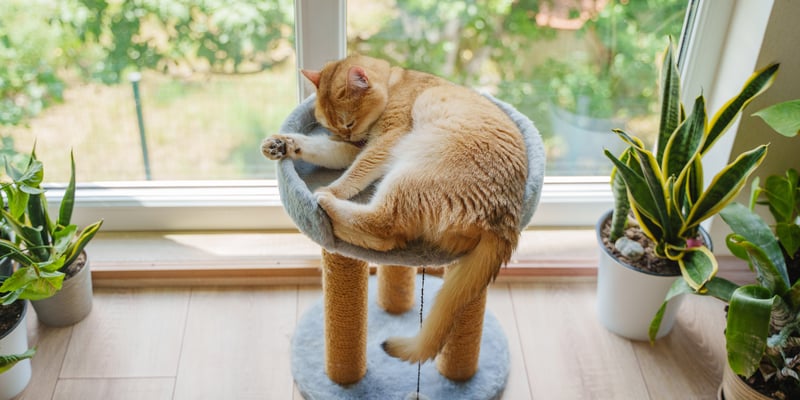
Most owners describe the British Shorthair as affectionate, in a “sit next to you” way rather than a “sit on you” way. Many people love that balance where cats love company, but personal space is respected.
They tend to have a relaxed vibe with a playful streak. In other words, their cat personality combines the best bits of independence and friendliness, and it really can feel like the best type of cat for busy households.
For a deeper look at looks, quirks, and day-to-day life, see our British Shorthair breed guide.
Are they good with children and other pets?
This is where the breed shines. With sensible introductions, they’re often great with children and other pets. They can be patient, but they are not toys, so teach gentle handling early, especially if you’re bringing home a kitten.
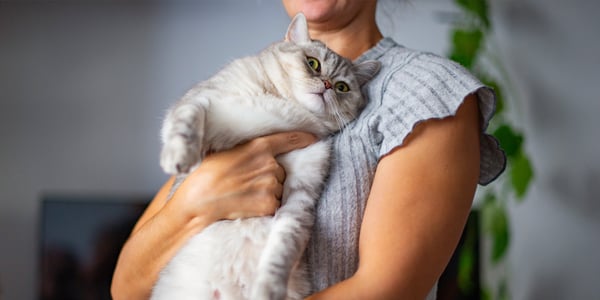
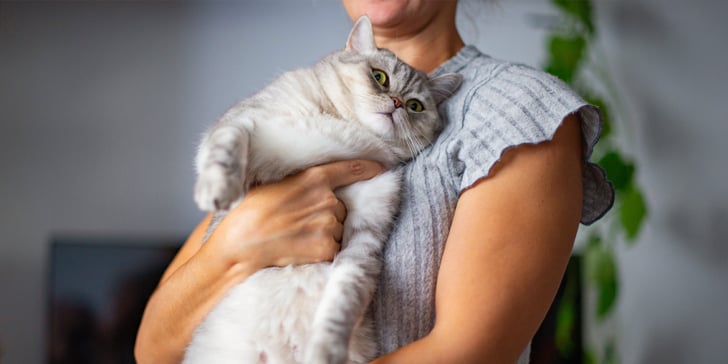
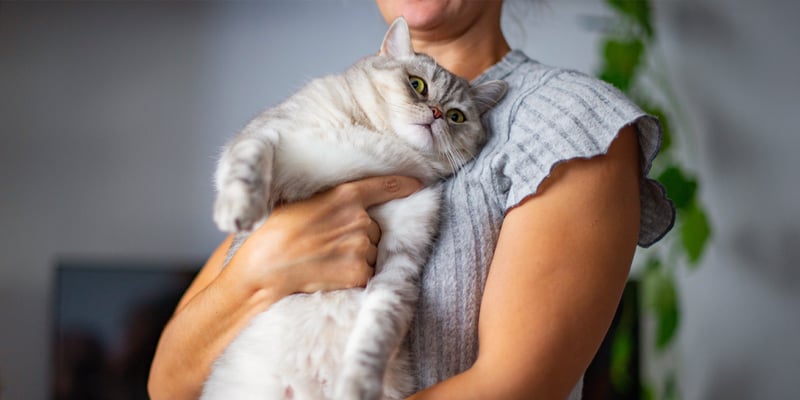
A quick reality check: British Shorthairs don’t always enjoy being carried around like a baby. They may prefer to be close on their own terms. British Shorthairs like routine, although many are still fairly adaptable once they feel safe.
Are British Shorthairs good lap cats?
Some will cuddle, but many won’t. Think “nearby teddy bear” rather than a velcro pet. You might hear other people say that their shorthair cats love to cuddle, and that can be true, but often it’s more of a lean, a head bump, or a polite loaf by your feet.
If you want a clingier pet, you may prefer other breeds, but as cats are known for doing what suits them, it depends on the individual. Every cat is different.

Care basics: food, grooming, enrichment
Feeding: what should you budget for?
Food costs are one of the easiest to control. Some households spend more because they prefer premium recipes, but in the UK a typical monthly range can be wide. A key choice is wet cat food versus feeding cats dry food, or a mix. Many owners do both, so this also affects the cost.
(That being said, based on multiple online retailers, the average cost for a multipack of either wet or dry food costs between £30-100 per month in the UK.)
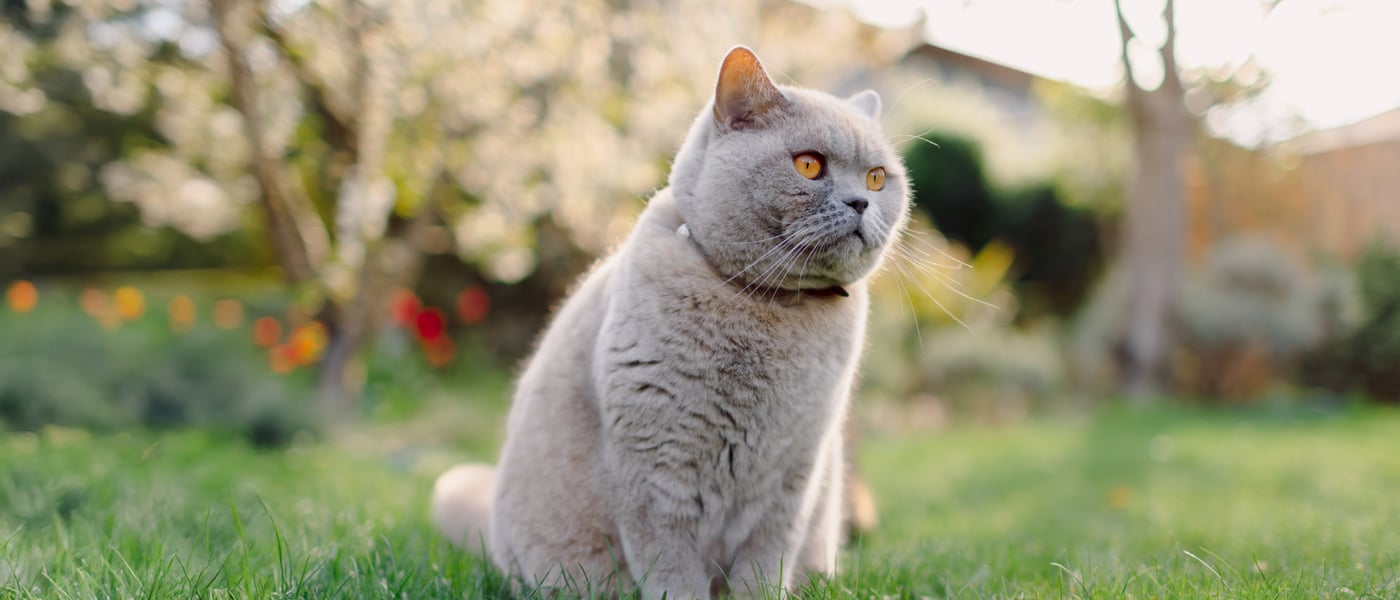
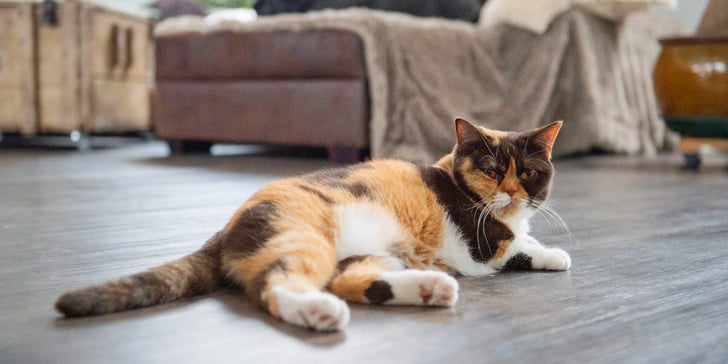
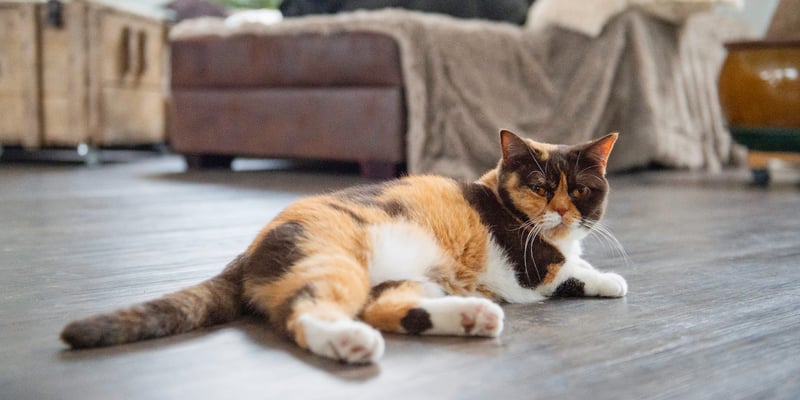
Whatever you choose, the goal is to keep your pet at a healthy weight. The British Shorthair is a cat with a short , dense coat which can hide extra pounds until your hands find them, so regular body checks help. If your cat food budget is tight, focus on consistency and complete nutrition, not fancy marketing.
Ask your vet about what is best for your specific pet first.
Grooming: do they need much?
The coat of British Shorthair cats is famously plush. That density means brushing helps, even if they look perfectly tidy. If you’re new to this, our cat grooming guide is a good place to start.
A helpful approach is to introduce grooming to your cat early and keep it short and positive.
This is great for helping your cat build trust, and it supports helping your cat to engage with handling in a calm way. With time, you can even get your pet to agree to other home care, like nail trims (or not at all, no guarantees there).
Enrichment: what keeps them happy indoors?
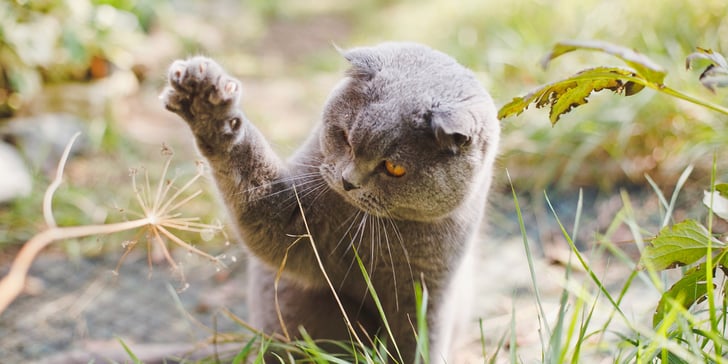
A British Shorthair cat can be a brilliant indoor cat when you provide climbing spots, scratchers, and play. Bored pets can snack too much, so play is also part of weight control.
Toy rotation helps, but it doesn’t need to be fancy. Puzzle feeders, short wand sessions, and window perches help keep your cat busy. Aim to play little and often, especially at times when your British Shorthair seems most lively (often morning and evening).
A good rule: set up the home to help keep your cat moving, then stick to it regularly to keep them in the habit. That’s how you keep your cat engaged without turning your living room into an obstacle course.
If your pet communicates with tail flicks, swishes, or thumps, our guide on why cats wag their tails can help you read the mood before you go in for a cuddle.

Health: what to watch for
Overall, they are robust, but British Shorthairs are prone to a few problems, especially if they gain weight. Heart health is a key topic.
British Shorthair health discussions often mention hypertrophic cardiomyopathy, which is a thickening of the heart muscle.
British Shorthairs are considered predisposed, and screening is usually done by heart ultrasound in breeding animals, according to UFAW’s British Shorthair HCM overview.
Dental care is another quiet cost creep as British Shorthairs may suffer from gum disease, like many cats do.
Skin issues can happen too. If you ever spot circular hair loss or scaly patches, treat it seriously and speak to your vet.
UK costs: Care, supplies, insurance
Costs vary a lot, so typical ownership spending across food, insurance, and healthcare is in a broad range.
For example, Catster’s 2026 UK breakdown includes example monthly costs and notes how premiums and vet spend can rise with age and health needs (Catster UK cost guide, updated Jan 2026).
For lifetime cost context, MoneyHelper says owning a cat can cost at least £12,000 over a lifetime and on average closer to £17,000 (MoneyHelper).
Here is a practical budget view for one pet in the UK, based on those 2025/2026 ranges and typical choices:
If you’re considering adding a British Shorthair from a breeder to your family, the upfront price is separate from the monthly running costs.
In the UK, pedigree purchases often fall within the wider breeder range (hundreds to thousands), and this popular pedigree cat can be priced higher when parents are health tested and well socialised. That’s often worth it, because it can reduce avoidable risk.
Should you get insurance?
Insurance is not exciting, but neither is an unexpected four figure vet bill. If you want a quick overview of options, excesses, and what “lifetime cover” means, see Waggel Cat Insurance.
A simple way to decide is to ask: if your pet needed imaging, surgery, or long term meds, could you pay without stress? If not, cover can help you keep your cat happy and healthy when life gets messy.
Any final tips before we bring one home?
Pick the pet, not just the look. Their classic coat is gorgeous, but health and temperament matter more than colour.
Ask breeders about heart screening, weight management, and early handling.
If you’d like more detail on British Shorthair characteristics, training, and what to expect week by week, our British Shorthair breed guide is a helpful next stop.

From everyday questions to expert advice, we’ll help you feel confident in every moment of pet parenthood.
Get your quote
Along with our excellent coverage, we offer access to a 24/7 online vet to answer all your sticky questions.