Summary
Index
Introduction
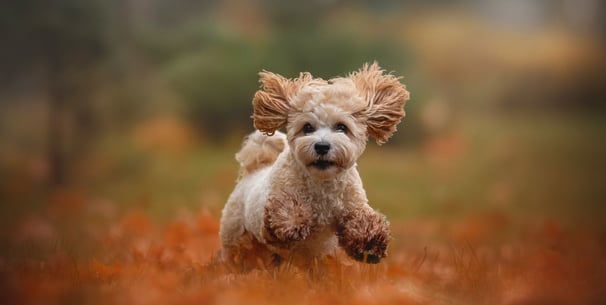
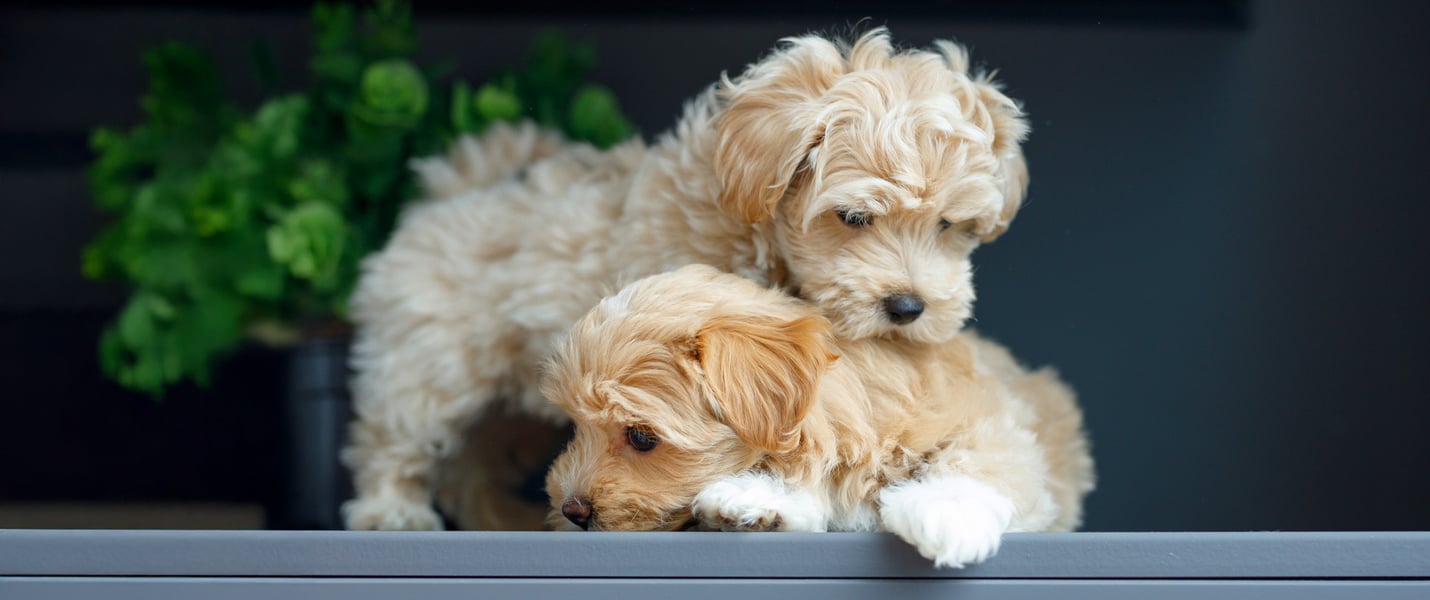
Maltipoos come in many beautiful shades, from creamy champagne to inky black, with some coats lightening with age.
This complete colour guide covers the most common and rare types, how genetics shape your puppy’s look, and what to expect as your dog matures. For a breed overview, see our full Maltipoo breed guide.
Key takeaways
The top 10 shades most people see are apricot, cream, white, black, chocolate, red, silver, grey, sable and parti.
The Poodle greying effect can make dark dogs fade to lighter tones as the dog ages, especially in curly coats.
Patterns like sable, phantom and parti create striking looks with clear markings.
Coat care, sun, and grooming length affect how rich or pale the colour appears over time.
What decides a Maltipoo’s colour?
Genetics 101
A Maltipoo is a cross between the Maltese and Poodle. These parents set the pigment palette and pattern rules that inherit their coat colours.
The Standard, Miniature and toy Poodle lines have known colour lists that include black, blue, grey, silver, red, apricot, cream, white and browns recognised by The Kennel Club in the UK, with grooming guidance on texture and trims.
See colour standards in The Kennel Club’s Poodle page and other background info in our Poodle breed guide.
Why some Maltipoos lighten with age
Many Poodles carry a greying factor often called the fading gene. Research and breeder observations show it can cause a progressive colour change where dark eumelanin pigments lighten from black to blue or silver, or brown to café-au-lait or beige.
This is well described by coat-colour genetics resources such as Coats and colours on the G-locus.
Practically, that means the dog that was deep chocolate at 12 weeks could be a milky silver-beige at 2 years.
Puppies are often born one colour, then their colour might shift as the dog gets older.
Changes can appear first around the eyes or paws, and often increase after a short trim.
Red tones can soften toward a lighter apricot or cream.
Generations and deeper colours
Colour outcomes vary in F1 vs backcrossed dogs. A Maltipoo in f1b and later generations (back to a Poodle) may show stronger Poodle-style colours and patterns.
For example, it can be easier to achieve solid dark outcomes like a black Maltipoo in f1b if the Poodle parent contributes dominant black.
Breeders sometimes plan matings to achieve a black Maltipoo, but remember, results are never guaranteed, and each Maltipoo may still fade.
Breeders sometimes advertise a specific colour request list, but be open. All Maltipoo owners should fall in love with personality first instead of risking dangerous breeding practices to get their perfect colouring.
Top 10 Maltipoo colours and types
We see common colours cluster into about ten favourites. These colours come from the parent breeds’ pigment genes and coat colours and patterns that Poodles are known for.
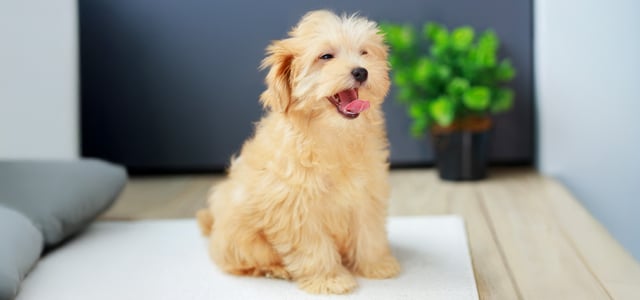
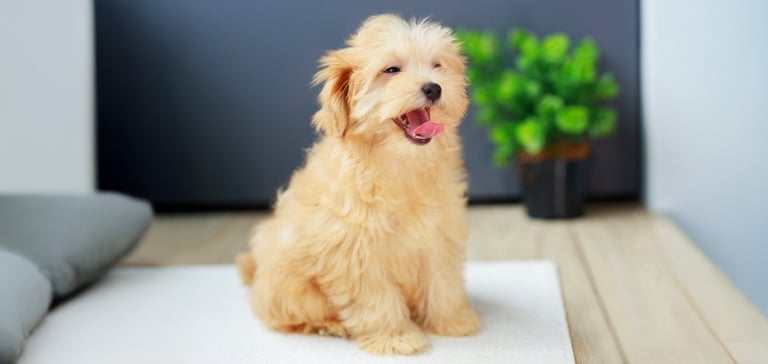
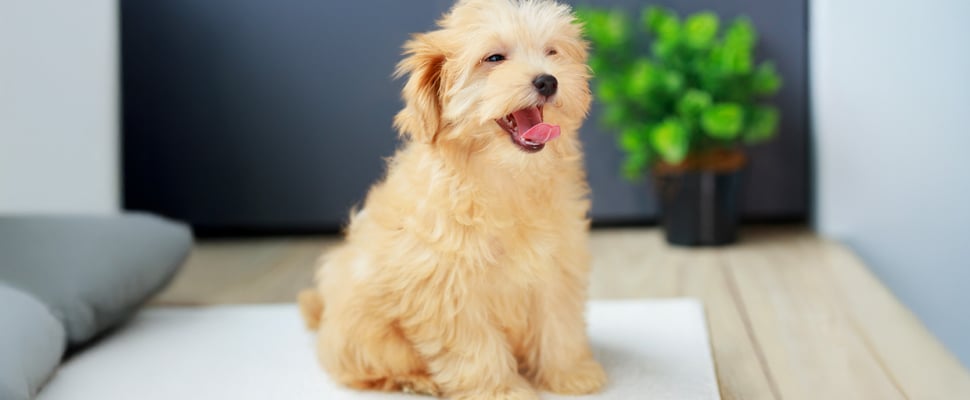
Apricot
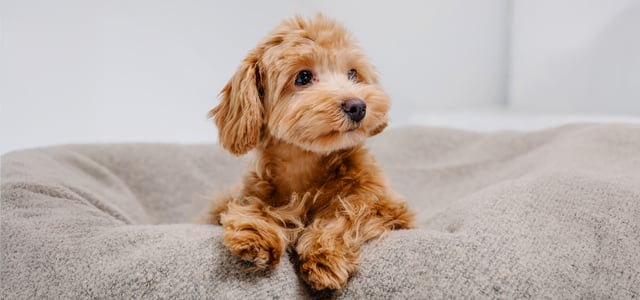
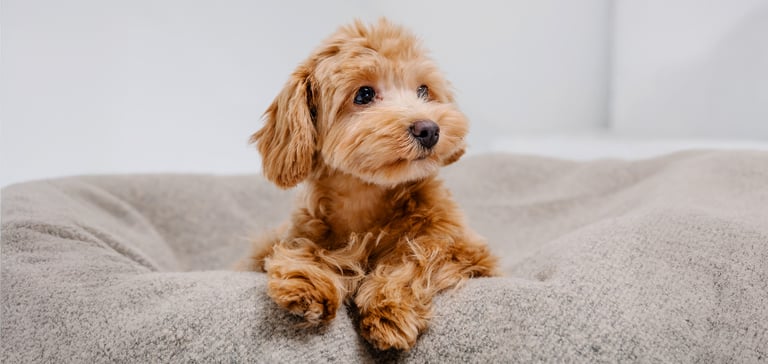
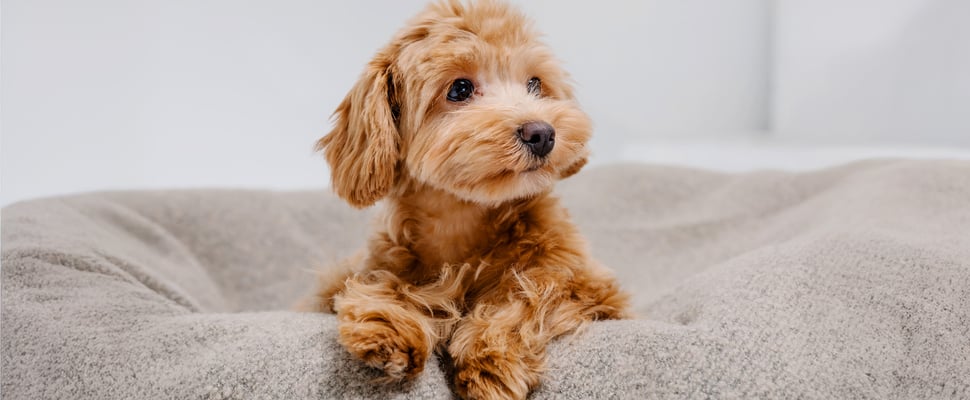
The classic sunshine shade. Many families ask for apricot because it looks warm in photos and can mellow with time.
Some apricot Maltipoos shift toward a lighter apricot or golden tone as age and grooming cycles shorten the darker tips.
You may also see the apricot colour paired with white points in some lines.
Cream
Velvety and soft on a fluffy dog. A true cream Maltipoo can be pale from day one or drift lighter from apricot.
Tear management matters on white coats and pale creams due to staining.
White
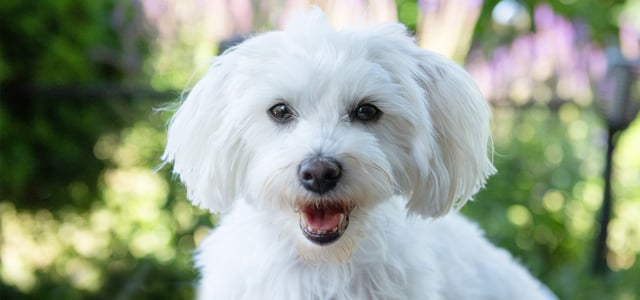
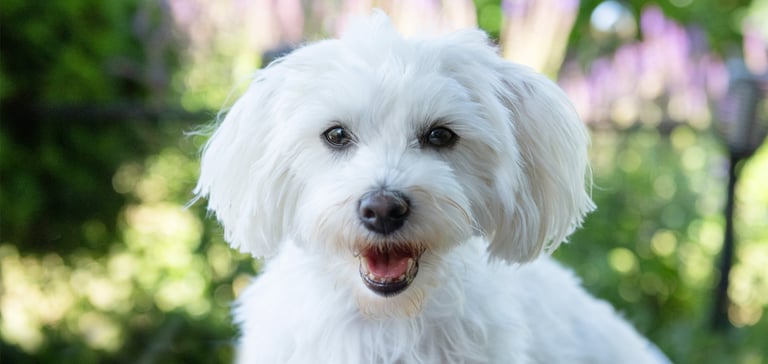
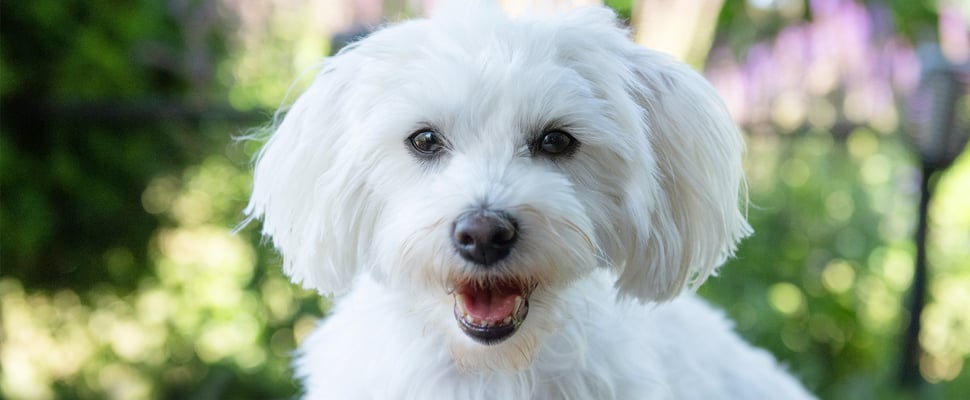
A bright white Maltipoo looks angelic. Whites, creams and silvers can look similar on camera so look at roots and ear hair for clues. These colours are white or off-white and often photograph brighter after a bath.
Black
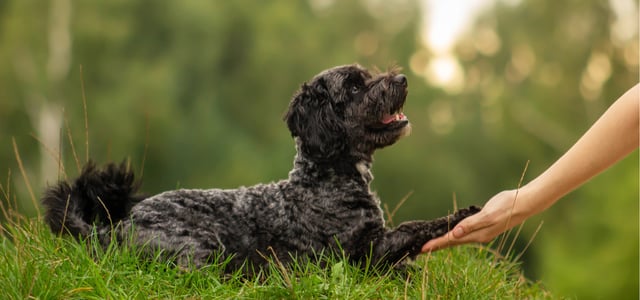
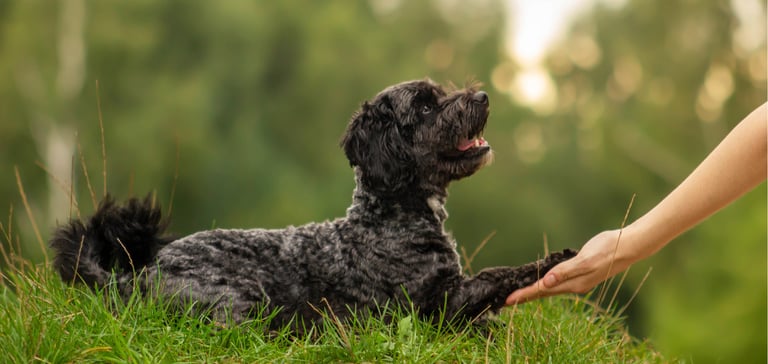
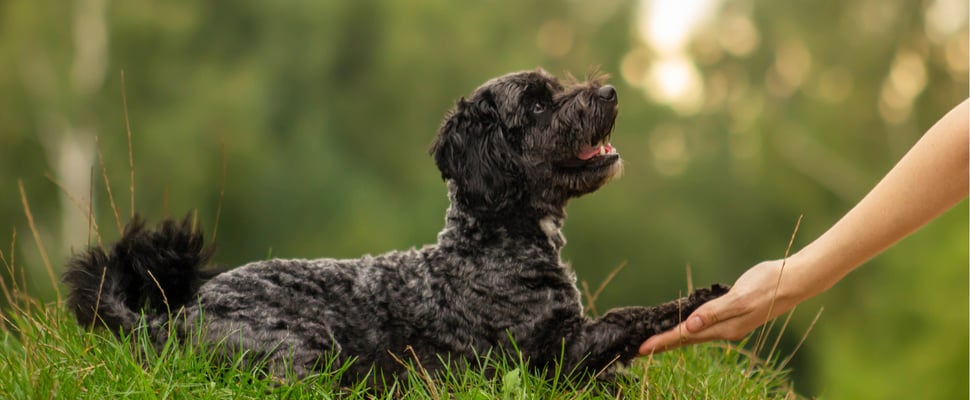
A dramatic black coat can look glossy with proper care. Some lines hold a solid black coat better than others.
If you want deep black, discuss pedigrees with your breeder. A dark-haired or black Maltipoo may still fade if the greying factor is present.
Chocolate/Brown
Often called a chocolate Maltipoo or a true brown Maltipoo. Some keep the richness; others drift to café or silver-beige.
You may also hear simply true brown from enthusiasts.
Red
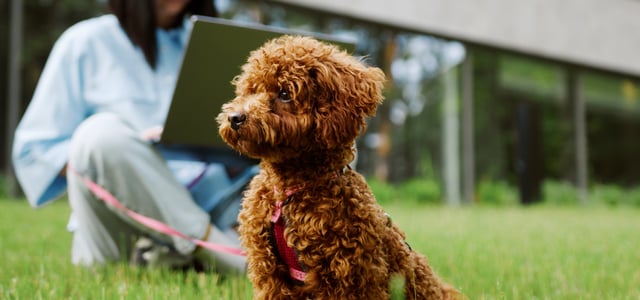
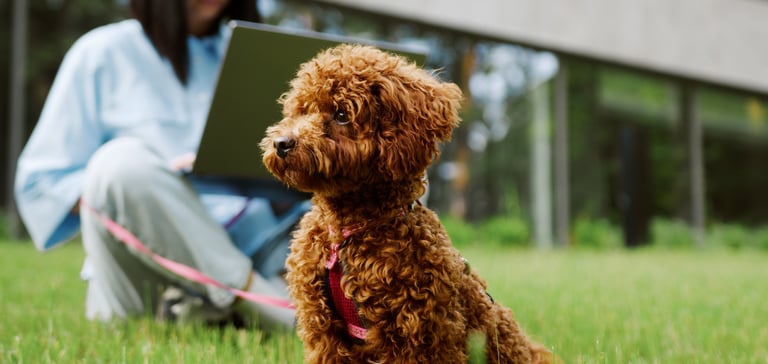
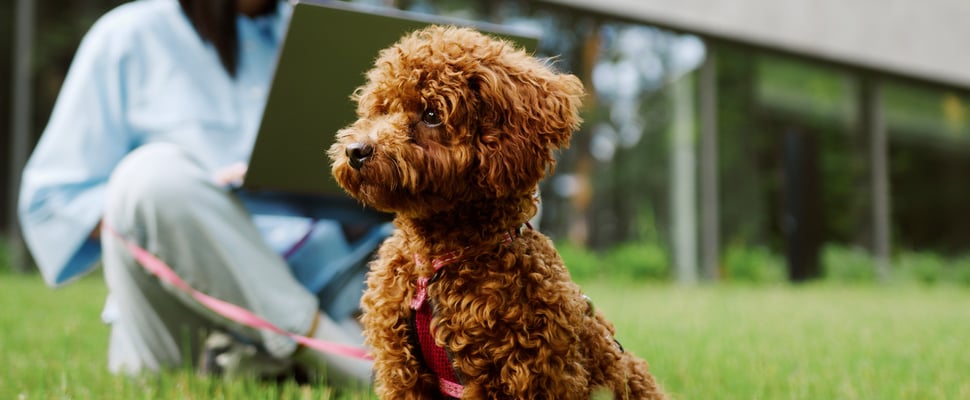
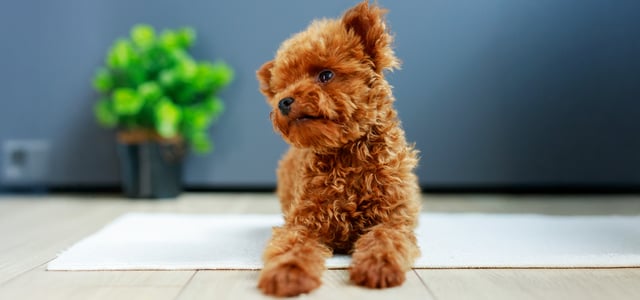
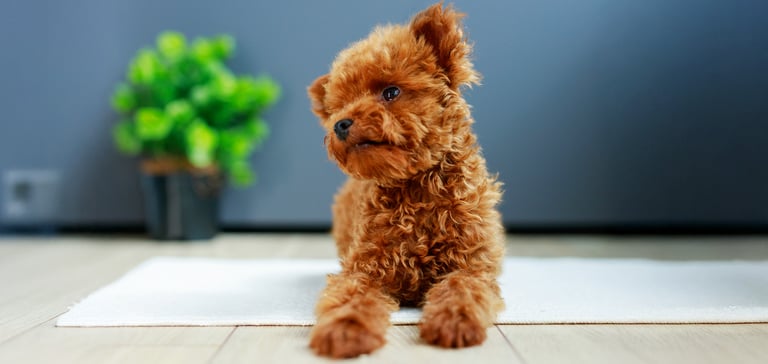
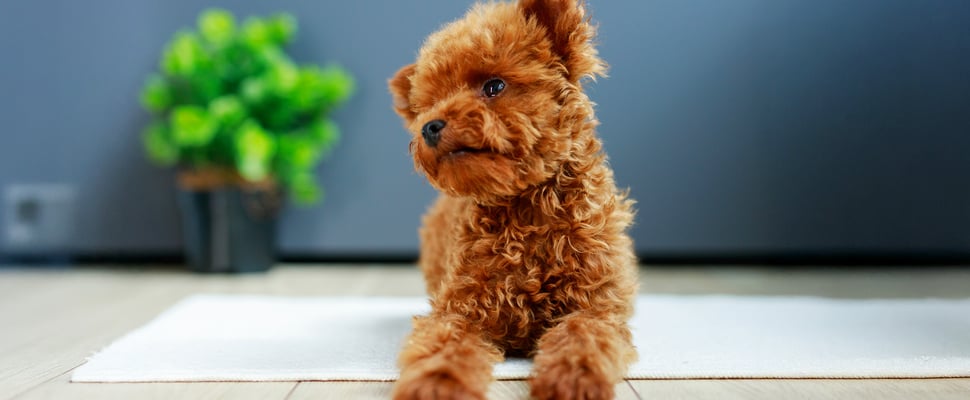
Eye-catching and rare. A red coat can mellow over time. Many owners love red and apricot siblings for their warm look.
A very deep red Maltipoo puppy can soften toward apricot.
Silver
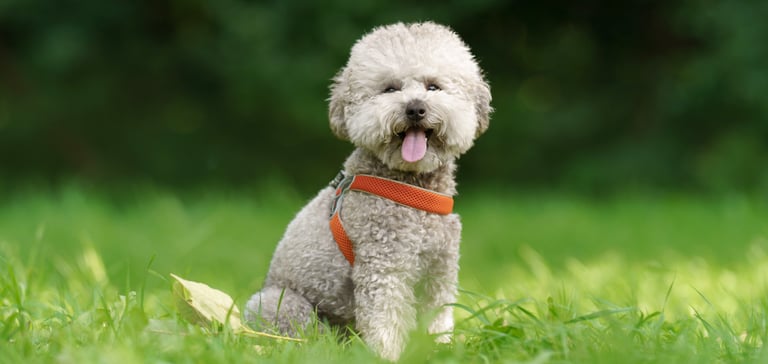
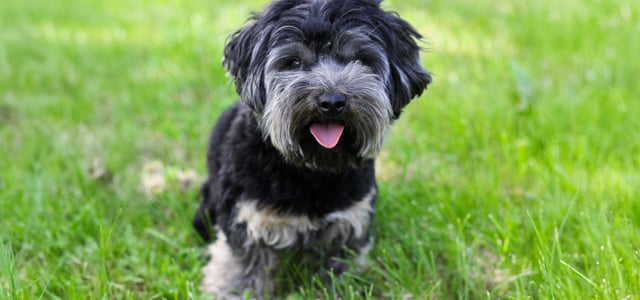
Silver can arrive gradually as blacks fade as the dog matures. Silvers range from pewter to near-white on longer hair.

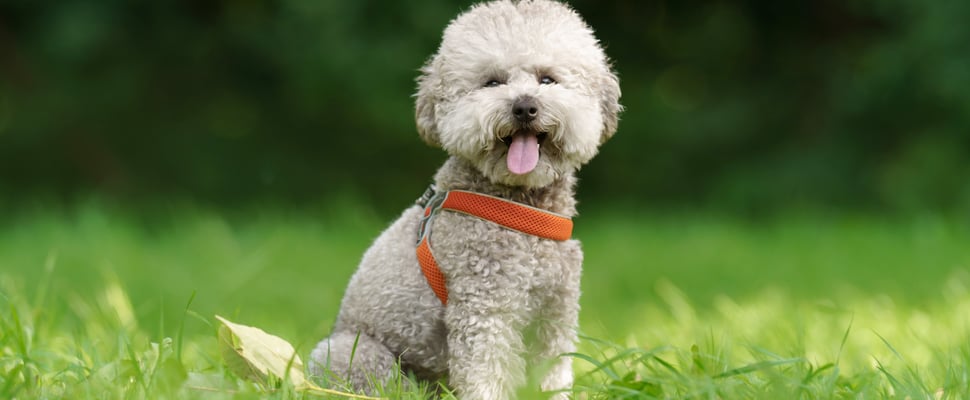
Grey
Grey is similar to silver but often darker along the back. These darker colours like black origins can transition to mid-tone greys.
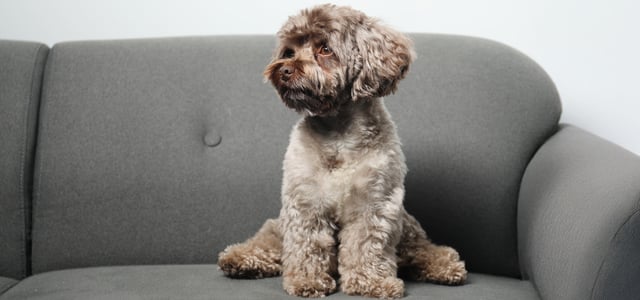
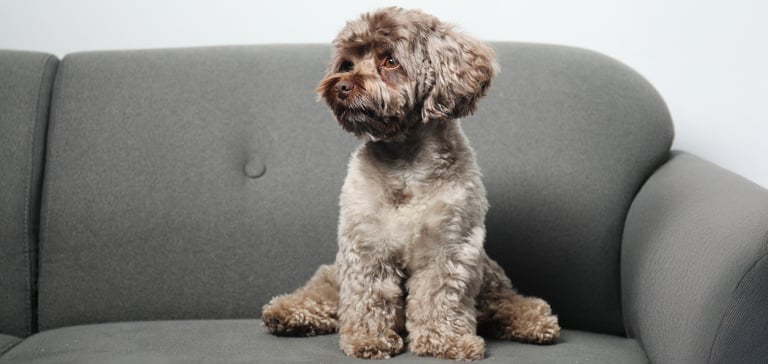
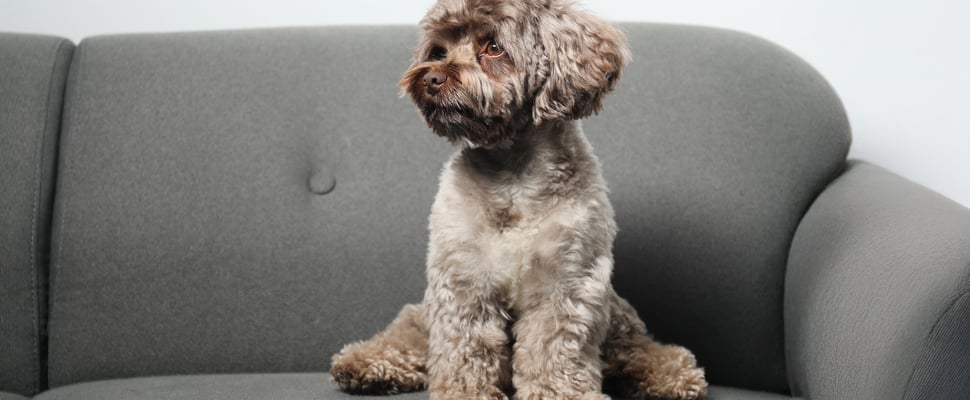
Sable
A chameleon type. A sable Maltipoo starts with a base colour with darker tips along the hair shaft. As the coat grows and you trim, the dog can look like a completely different coat colours.
Classic sable looks show a solid base colour with darker ends, sometimes most visible on ears and topline.
Parti and phantom colours
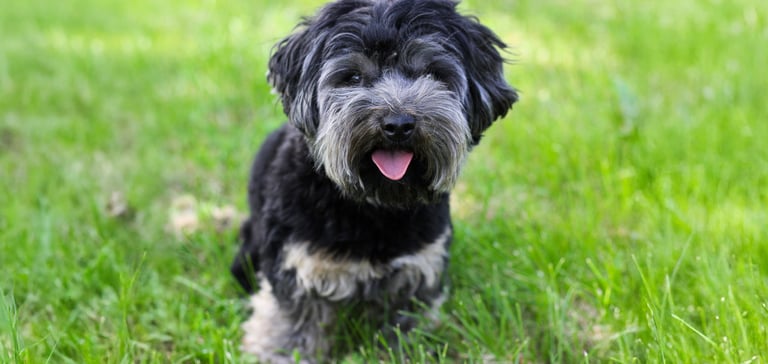
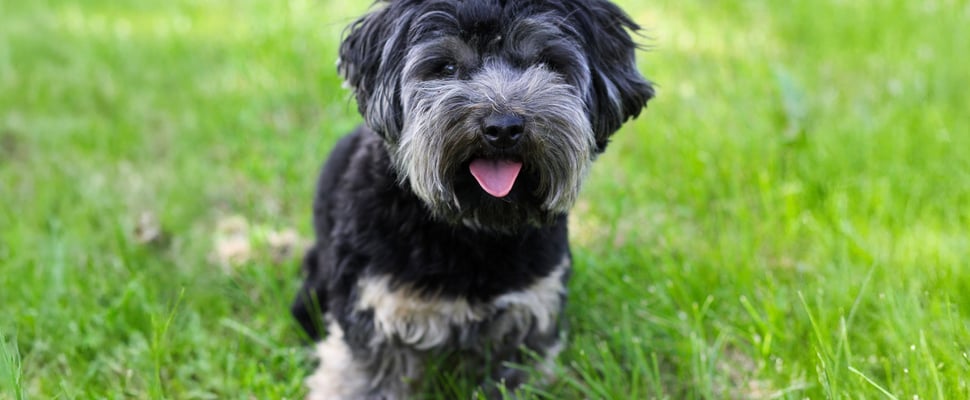
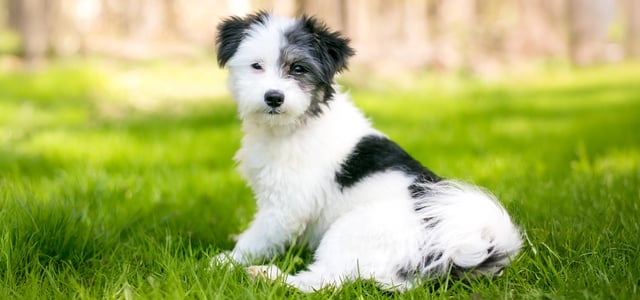
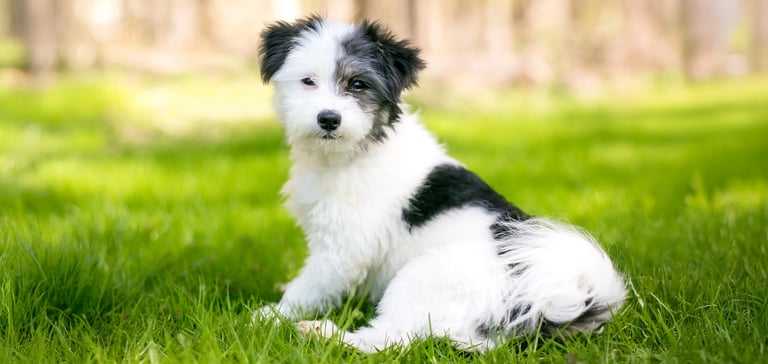
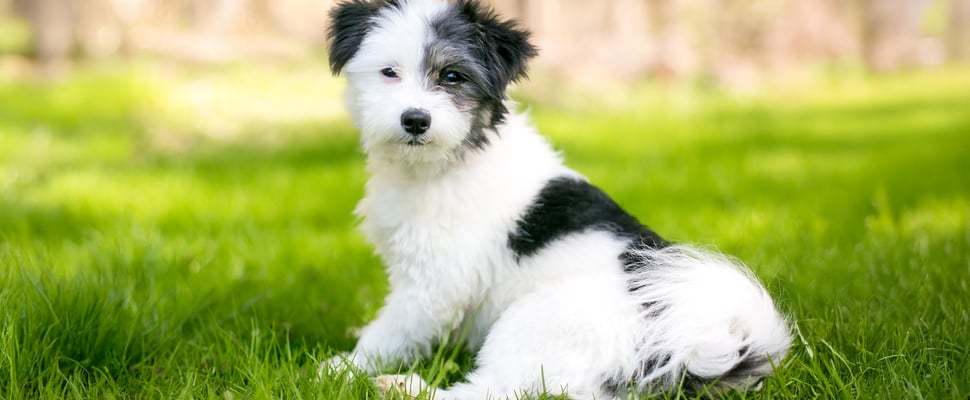
A parti Maltipoo has a white base with patches of another colour. The contrast can be striking and playful.
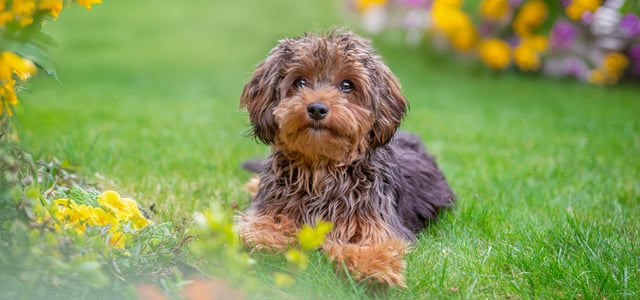
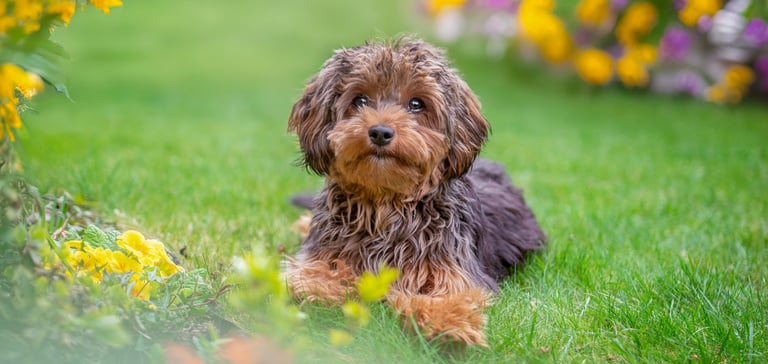
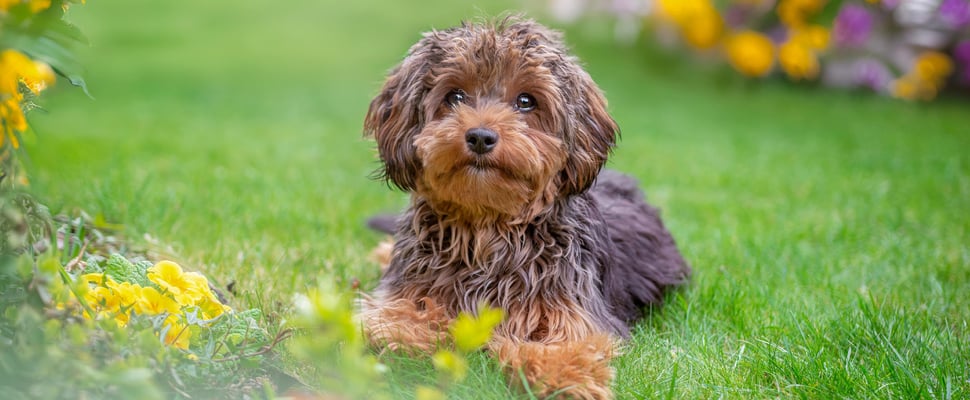
A phantom Maltipoo has tan-point style marking patterns, often on eyebrows, chest and legs, over a darker body.
Rarer and less common looks
Beige champagne: a pale café look that pairs nicely with pink collars. Some call it beige or champagne.
Tri and abstract: you may spot three colours in a single dog, but true tri is unusual; multicolour often shows as colours and colour combinations with white.
Phantom and saddle variants: patterns may concentrate around the eyes, cheeks and legs.
Parti with ticking: patches of another colour can freckle over time.
Will my Maltipoo change colour?
Short answer: many will. The Poodle greying effect can trigger a colour change after the baby coat. Darker pups might change colour most.
Here's a few things to consider:
A puppy may leave the groomer seeming like a dramatic colour shift happened. It is usually trimmed tips revealing paler roots.
A Maltipoo would sometimes soften from their darker base colour to lighter tones by age 18 to 24 months.
Eumelanin-based shades often soften first; pheomelanin-based colours like apricot and cream can also mellow.
Practical tip: To keep colour looking richer, leave a touch more length on topknot and ears, and avoid heavy sun exposure at midday.
Pale coats can need gentle skincare; see the best dog shampoos for itchy skin for sensitive types and stain care on light coats: best dog shampoos for itchy skin.
Types, patterns and what the terms mean
Sable: base colour hair with dark tips; trimming can reveal a paler dog underneath., then
Phantom: tan points on a dark body; the contrast can soften if the dog carries greying.
Parti: white with another colour in blocks. Some coats show evolving edges as they grow.
Put together, the coat colours in Maltipoos can show countless combinations, they really do come in a variety of stunning shades.
Quick answers to FAQs
What are the top 10 most popular colours?
In the UK, the common colours most families see: apricot, cream , white , black , chocolate red , silver, grey, sable and parti.
Which colours hold best?
Depth varies by genetics. Some lines keep a solid black coat longest. Browns may drift to café or beige. Reds can become a lighter apricot.
Can I predict adult colour from a puppy photo?
Not perfectly. Look at roots, ear fringes and the hair around the eyes. If roots are pale, expect more to fade. Even then, it can fade as the dog matures.
Real-life care, costs and aftercare
Pale and white coats need tear-stain management using gentle products.
Sun can bleach colour; rinse pool or sea water from a Maltipoo’s coat after play.
Medium to high grooming budgets suit many Maltipoo families who like regular, tidy trims.
Sensitive skin is common in small crosses so watch out for things like atopic dermatitis.
For help budgeting vet care and grooming mishaps, you can get a quote for Maltipoo pet insurance with Waggel.
Wrapping up
There are a range of colours and coat types with this breed, but at the end of the day, the Maltipoo colour you start with may evolve, and that only adds to the charm.
Whether you love a true brown Maltipoo or a playful phantom pattern, colours are usually just one part of the story.
Choose with your heart, keep your pup in a loving home, and enjoy the journey together.

From everyday questions to expert advice, we’ll help you feel confident in every moment of pet parenthood.
Less stress, more love.
Along with our excellent coverage, we offer access to a 24/7 online vet to answer all your sticky questions.