
Summary
Index
Introduction
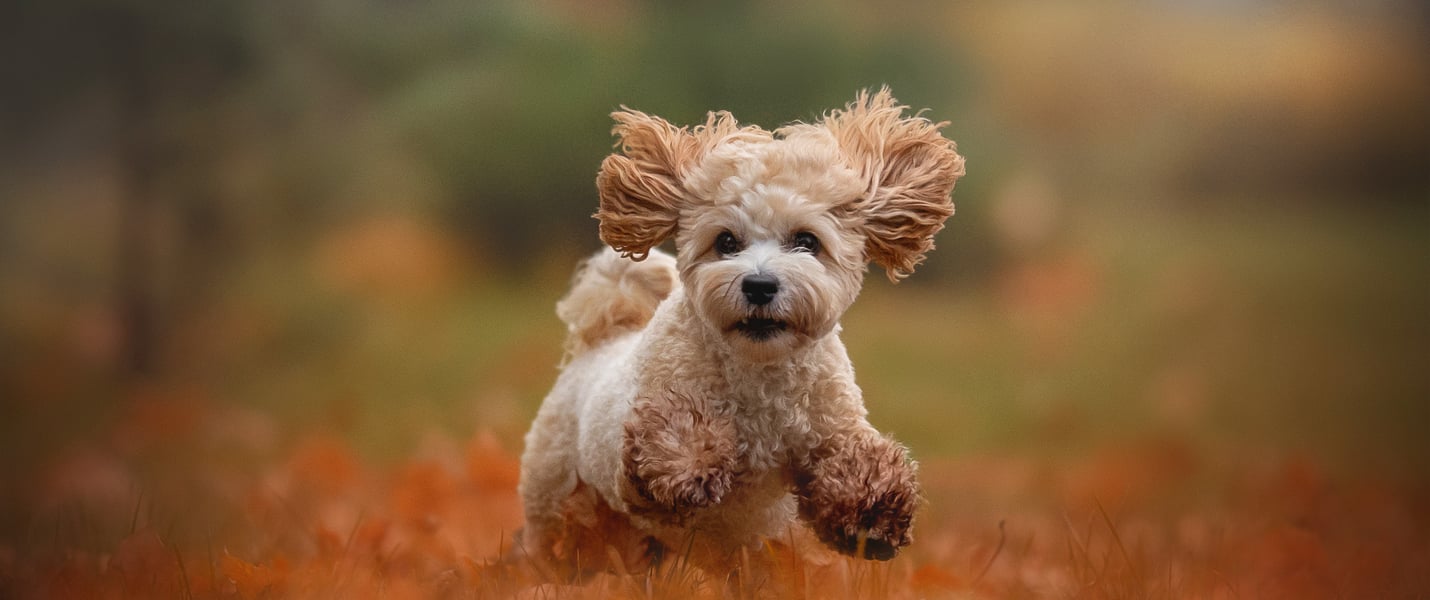
Most adult Maltipoos do best with 20-30 minutes per day of movement, split into 2 walks plus a little play, then adjusted for age, health, and personality (see the full guide with exercise notes in our Maltipoo breed guide).
Key takeaways
Keep activity moderate and consistent; small changes beat big weekend bursts.
Use a mix of walking and brain games to match your pup’s energy.
Start slowly with a Maltipoo puppy, and follow your vet on timing after vaccination.
Watch for signs of overexertion like panting and limping and scale back fast.
Build a simple routine so your pet knows what to expect and settles better indoors.
What “enough” exercise looks like
The Maltipoo usually sits in the “small companion with a lively streak” bucket.
It’s a crossbreed of the Maltese and Poodle (often Toy Poodle or Miniature Poodle) and is commonly described as a designer dog and a close companion animal.
That mix often gives you:
Friendly temperament and people-focus (great for family, kids, and many cats with good introductions)
A coat that’s often sold as hypoallergenic and low shedding (not zero-shed though)
A need for short, regular activity to prevent stress behaviours like barking.
Quick exercise guide by life stage (easy UK baseline)
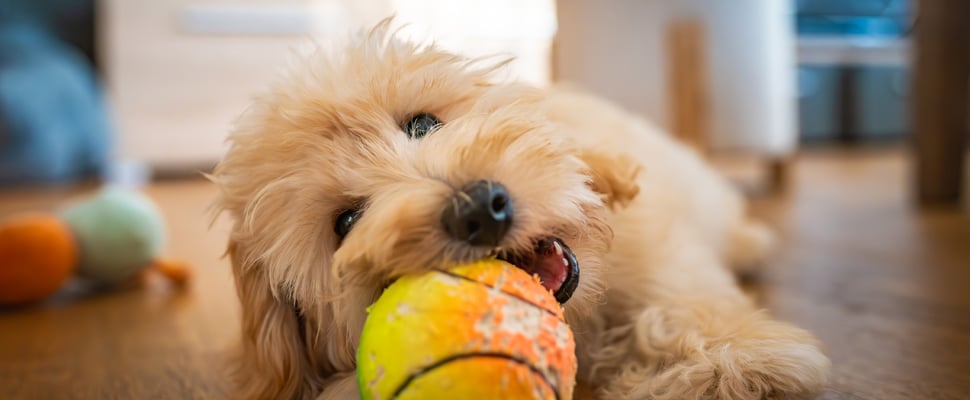
If you want a puppy-specific walking rule of thumb, this guide is a good place to start.


When can you start walks in the UK?
This is where “real UK information” matters, because timing can vary by vaccine type and local risk.
Many UK sources advise the first walk is usually once your pup is fully vaccinated, often around 2 weeks after completing their primary course (Dogs Trust: first walk advice).
Some UK veterinary practices explain immunity milestones in more detail. For example, Orchard Vets outlines protection timing after vaccines and when pups may be safe to go out, depending on what they’re covered for (Orchard Vets: vaccination advice).
Practical takeaway: ask your vet what “safe ground” means in your area, then build up slowly. While you’re waiting for their full round of shots to be complete, you can still train at home and use your own secure outdoor space.
What counts as exercise?
For a small dog in an apartment, “exercise” is not just distance. It is movement + brain work.
Good options (mix and match)
Walks per day: a couple of calm outings beats one long march.
Short walks: great for sniffing and confidence.
Brisk walks: useful for fitter adults, but keep them short.
Long walks: not essential for most; add only if your pet is thriving or suggested by a vet.
Outdoor play in a secure garden or yard (great when weather is fair).
Indoor play for rainy days.
Brain work matters
A bright pup that’s bored can look “high energy” when they’re really under-stimulated. Add:
Mental stimulation with puzzle toys
Sniffing games for calm tiredness
Short, upbeat training sessions
Gentle socialisation (done safely and at the right time)
If you need ideas for keeping mood and engagement high at home, we kindly share a useful list of enrichment habits here: tail-wagging happiness tips
Play ideas that fit the Maltipoo body
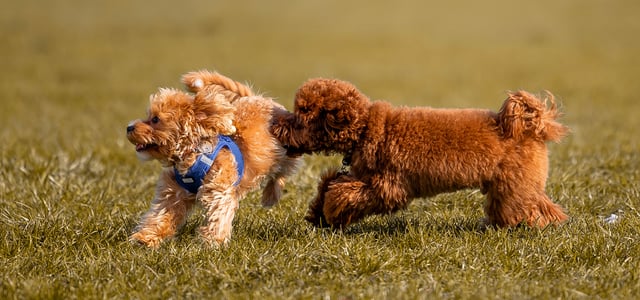
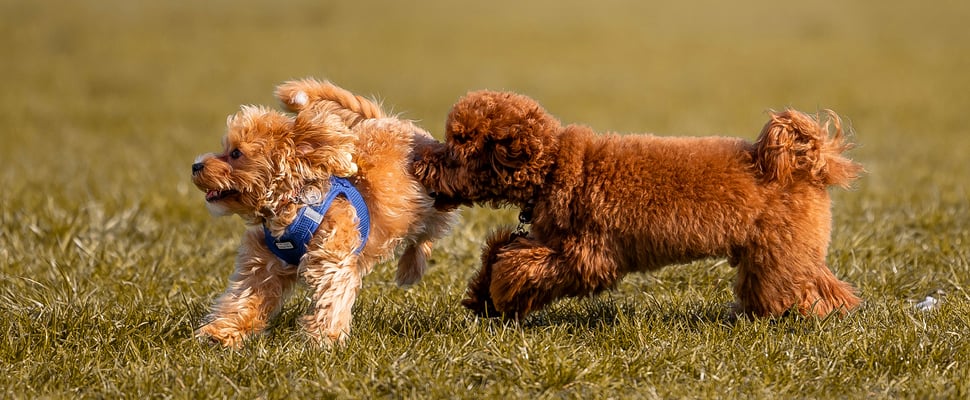
Because small joints can be vulnerable, avoid repeated big leaps and hard landings. Keep games low-impact:
Play fetch on soft ground
Can also play down a hallway (at low speed)
A quick zoomies in the garden with stops for belly rubs
Gentle tug-of-war with rules (drop it, take it)
A dog park can be great for some adults, but it can also overwhelm sensitive or smaller pets. Choose quiet times and keep it short.
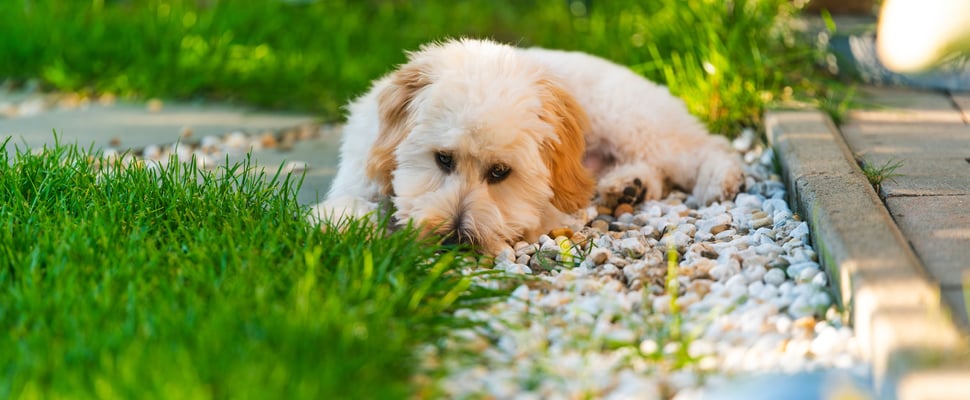
How to know if you’re doing too much (or too little)
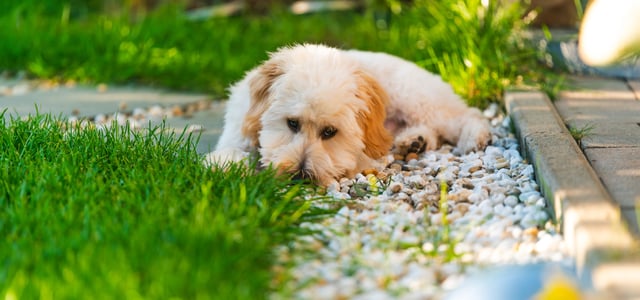
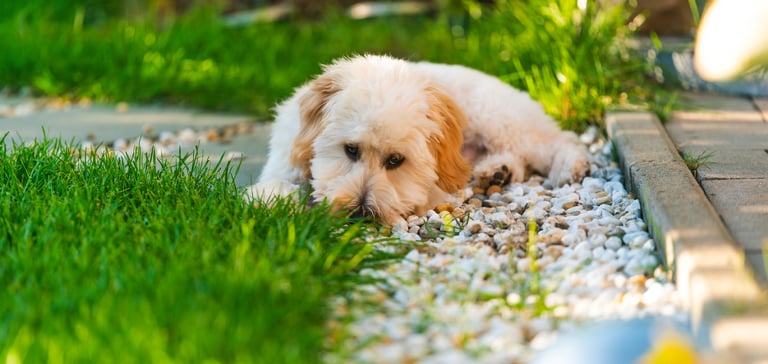
Signs of “too much exercise”
Watch for:
Classic ' overdoing it ' patterns (big days followed by “crash” days)
Signs of overexertion like heavy panting, lagging, limping, or refusing to move
What to do:
Stop, offer rest, and shorten the next few sessions
Prioritise hydration and bring water
Avoid extremes of weather like too much heat and icy cold
Signs of “too little”
Under-activity often shows up as:
Bored pacing, chewing, or noisy behaviour
Boredom that turns into training setbacks or attention-demanding habits
Weight creep: Weight gain raising the risk of obesity
A simple rule: if ribs are hard to feel, talk to your vet about diet + activity for maintaining a healthy weight.
Health notes that affect activity choices
A few issues are worth planning around:
Joint problems in small breeds can show up as skipping, stiffness, or reluctance on stairs.
Patellar luxation (kneecap slipping) can be worsened by lots of jumping and tight turns.
If you see pain, don’t “push through.” Swap running for sniffing and trick training, then ask your vet for a plan.
A simple daily structure (easy to follow)
Here’s a realistic schedule many owners can stick with:
Morning: short sniffy outing + breakfast puzzle feeder
Midday: 5–10 minutes of play or training (indoors is fine)
Evening: second short outing + a calm game
That’s an exercise routine built on consistency, not miles. Total exercise time will vary, but the goal is meeting your pet’s needs with daily exercise that fits real life.



Final quick Q&A
How many minutes should each walk be?
Use 20 minutes per walk as your parameter: start small, then add a few minutes if your pet finishes bright and bouncy (not wiped out).
My dog is clingy when I leave, does exercise help?
Sometimes. But separation anxiety is often a training issue, not an energy issue. Use predictable routines, short departures, and enrichment, and ask your vet or trainer for support if it escalates.
Anything else to remember?
Track what works, adjust weekly, and keep it kind, especially for a young pup or even an old one.

From everyday questions to expert advice, we’ll help you feel confident in every moment of pet parenthood.
Less stress, more love.
Along with our excellent coverage, we offer access to a 24/7 online vet to answer all your sticky questions.