You may not always feel like you're in sync with your pet, and that's fine. We've collected all the information we think might help you to reach peak pet parent. Subscribe to get the freshest posts, straight to your inbox.
Maltipoo Grooming Guide: Haircuts and Grooming Tips
Index:
Introduction
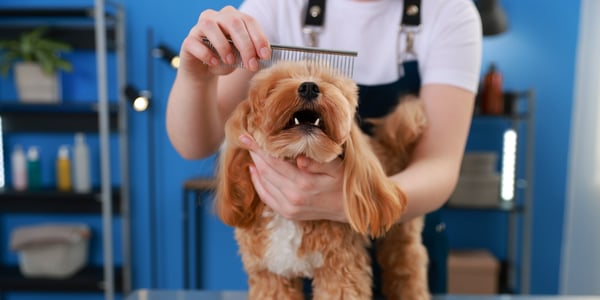
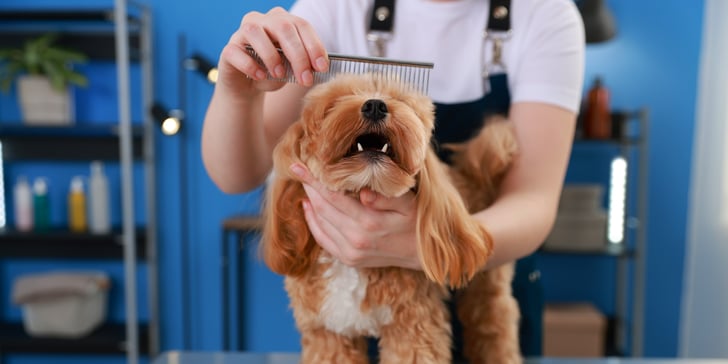
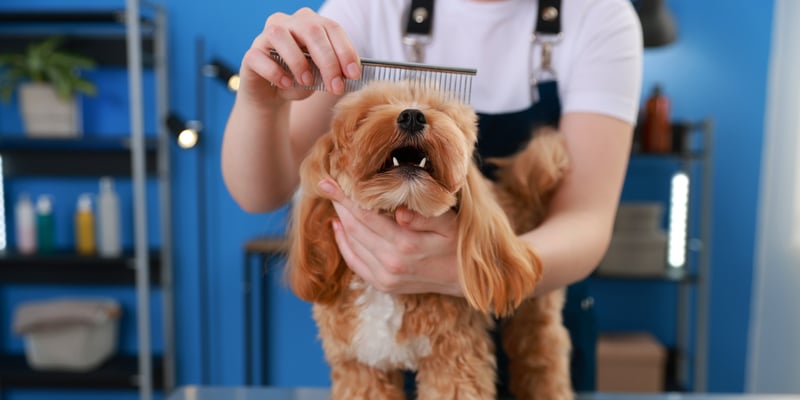
Whether your Maltipoo is a curly mess, or a fluffy diva, they all need regular grooming with steady coat care at home and a sensible salon schedule. This helps to prevent knots before they turn into full-on felt.
Our guide shows you what to do, what to ask for, and which style suits your life.
Key takeaways
Build regular grooming into a normal life routine, not “only when it looks wild”.
The right grooming tools stop small snags becoming painful knots.
Choose a cut that is genuinely easy to maintain for your week, not just your camera roll.
Skin and ears matter as much as hair, especially if your dog is prone to skin issues.
A good professional groomer plus maintenance at home usually gives the best results.


Coat basics (and why tangles happen so fast)
What coat are we actually dealing with?
This mix comes from the Maltese and the Poodle, so you can see a few variations across Maltipoos.
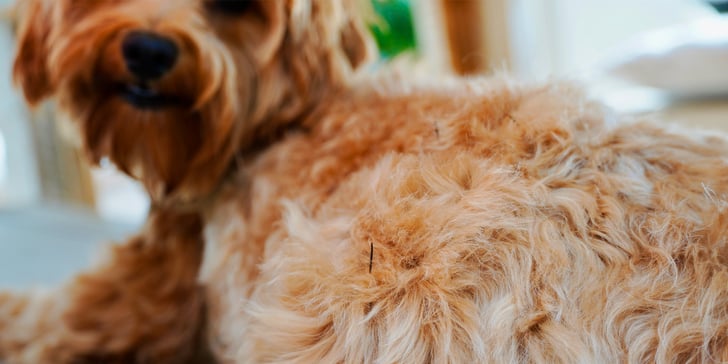
Most have a coat type that sits somewhere between soft and fluffy, with either curly or wavy coats.
That matters because a curly texture can snag on itself, and a wavy texture can twist as your dog rolls, runs, and does that dramatic post-walk floor wiggle.
If you want the deeper breed background first, our Maltipoo breed guide is a good starting point, and this guide explaining what a Maltipoo is helps if you’re new to the mix.
Why do knots form, even when they “don’t shed much”?
A lot of owners notice the low-fallout with many types within the breed, but hair still loosens and friction still happens.
As stated, curly and wavy textured coats tend to tangle and catch on things more easily so the type of Maltipoo you have matters a lot here. Loose "dead" hair gets caught in the surrounding "live" hair instead of falling to the ground. Over time, these intertwined hairs twist together into tight knots or mats.
But the big practical point is this: your Maltipoo's coat can hide small knots until they suddenly feel like Velcro. Keeping your Maltipoo's coat length sensible for your routine makes life easier.
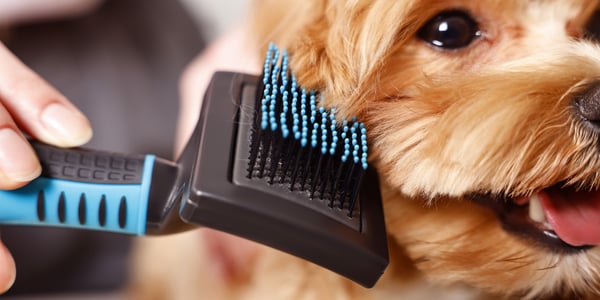
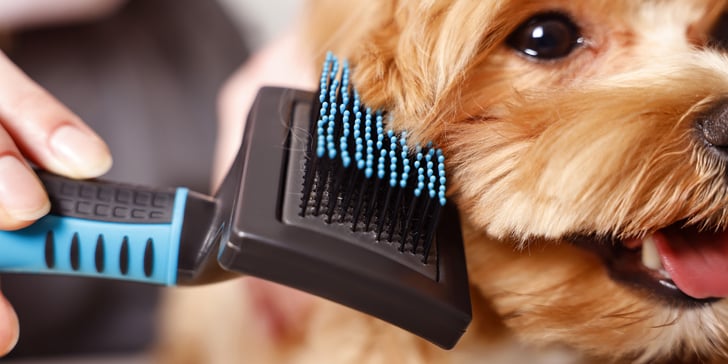
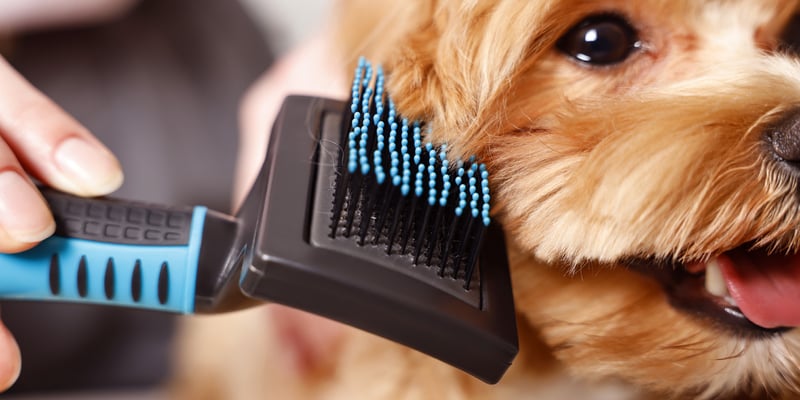
A quick daily feel-through and a brush helps you catch a tangle early, instead of discovering mats and tangles right before a vet visit.
If you’re comparing coat fallout across breeds, this piece on dogs that don’t shed much is useful context.
And if you’ve ever wondered what’s normal seasonally, here’s a clear explainer on why dogs moult.
Your at-home kit (simple, not fancy)
You do not need a cupboard that looks like a grooming salon. You need the basics, used often.
Here’s a quick table of what many pet owners and home groomers use:
For more step-by-step home guidance, GroomersU’s walk-through on handling and timing is a helpful reference: How to Groom a Maltipoo.
How do you make it calm?
Your goal is a calm, predictable grooming session, not a wrestling match.
Keep sessions short, chat to your dog, and end on a win. A positive experience now is what makes next week easier.
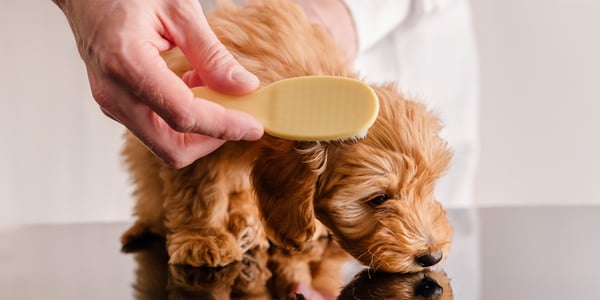
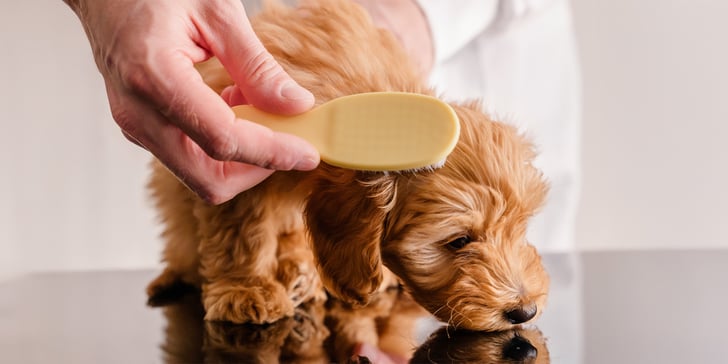
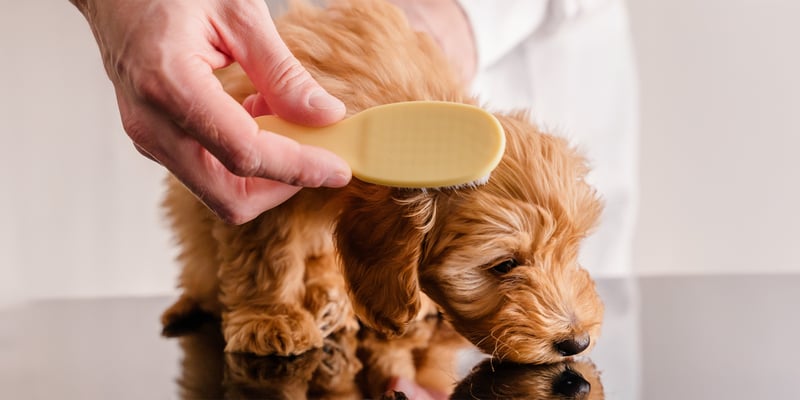
If your dog is a squirmy pup, you can start grooming with 30 seconds of handling, then stop before anyone gets annoyed.
Use treats and praise like you mean it. We’re basically bribing for peace, and honestly, it works.
A routine you can stick to
What does “regular” look like in real life?
Think “little and often”.
Do basic grooming in tiny blocks through the week.
That usually means regular brushing to prevent matting, plus quick checks of the feet and underarms to prevent tangles.
This is the heart of grooming your Maltipoo, and it’s what keeps your dog comfortable between trims.
If you want a simple start point: set a repeating reminder and keep their coat checked after muddy walks, park zoomies, and rainy-day puddle missions.
What about face, ears, teeth, and nails?
Hair is only one part of overall health and well-being.
Check eyes and ears often, especially if hair drifts forward.
Do gentle ear cleaning only with dog-appropriate products and technique or when guided by a professional.
Prioritise dental hygiene because little dogs can be prone to mouth issues.
If you notice bad breath, don’t just blame the treats. It can be a sign you need to up your tooth routine.
A simple target is to brush their teeth regularly to prevent dental issues.
For nails, consistent nail trimming helps your dog walk normally and avoids splayed feet over time.
Bath time and skin comfort
How often should you wash them?
Most owners do well with a wash every few weeks, then adjust based on lifestyle.
Use products that are dog-safe, dog-specific,( made specifically for dogs)
Choose a gentle shampoo and conditioner, rinse thoroughly, and towel-dry well.
If you want a clear, step-by-step method, here’s our guide on How to Bathe a Dog.
Premier Pups also emphasises the importance of brushing, coat checks, and a sensible wash routine as part of overall care: Maltipoo Grooming Guide.
What if your dog gets itchy?
Itch can come from product build-up, pollen, fleas, or dry skin.
If you’re choosing products because your dog is scratching, this guide to dog shampoos for itchy skin can help you pick something kinder.
A good routine helps prevent skin flare-ups, but if the itch persists, it’s worth a vet chat.
Haircuts: what to ask for (and what it looks like)
Which haircut is best?
There isn’t one best haircut. There’s the best one for your dog’s coat, your weather, and your calendar.
A good groomer can help you choose based on lifestyle.
Common styles include a uniform puppy cut (often around 1-2 inches) and other options that keep the face shorter or longer based on the look you're going for.
What should you ask the groomer to do on the face?
Ask for safe, neat trimming around the face, and be clear about comfort.
For example: tidy the corners of the eyes, keep lashes clear, and soften the muzzle.
Also ask how they’ll shape the legs and head so your dog still looks balanced, not like two different dogs stuck together.
Can you do haircuts at home?
Light tidy-ups are doable, but full haircutting takes practice.
If you want to groom at home, start with small goals: paws, hygiene areas, and the odd tidy on edges. This is often enough to keep things neat between appointments.
Use careful grooming techniques and stop if your dog gets stressed. No style is worth a nick.
When to book a professional (and how often)
How often should a Maltipoo be groomed professionally?
Most owners do well with professional grooming on a regular schedule, then keep on top of brushing at home.
You should aim for regular visits to a professional, often around every 4 to 6 weeks depending on coat length and preference.
When you book visits to a professional groomer, ask what’s included: wash, dry, nails, ear check, and face tidy.
What’s the real sign it’s time to go in?
If your dog can’t see well, is scratching more, smells “doggy” fast, or the coat is clumping, it’s time to get groomed.
Also, if you keep finding knots in the same areas, changing the style can help. Some cuts are more low-maintenance than others, and that can be a kindness.
One last practical note (UK life)
In the UK, wet pavements and muddy fields are basically a lifestyle.
A shorter trim plus a steady home routine keeps your Maltipoo look fresh without constant drama.
If you want extra peace of mind for common issues that can crop up in small breeds, you can see our page on Maltipoo pet insurance.
And if your dog is one of those rare, yet adorable Maltipoo types which hates being handled (they do exist), keep it slow until they’re used to being groomed.
That’s how you support Maltipoo’s comfort, keep their fur tidy, and your routine realistic so you can keep your Maltipoo looking and feeling good.
Waggel Pet Insurance
Need more help? You're in luck if you're a Waggel Pet Insurance member. Along with our excellent coverage, we offer access to a 24/7 online vet to answer all your sticky questions, especially if you need grooming assistance.
Not a member? Why not get a quote now and cover your furry friend for a range of illnesses, all while enjoying our amazing perks and rewards.

Want more like this?
Get updates from us with helpful info, advice, answers to frequently asked questions and much more.
Index:
Related posts:






Get your quote
Along with our excellent coverage, we offer access to a 24/7 online vet to answer all your sticky questions.