Summary
Index
Introduction
Choosing a new Labradoodle is exciting. Their coats come in a rainbow of shades and patterns but colour is more than looks. It often hints at specific coat care, shedding, and how your dog might change as they grow.
Key takeaways
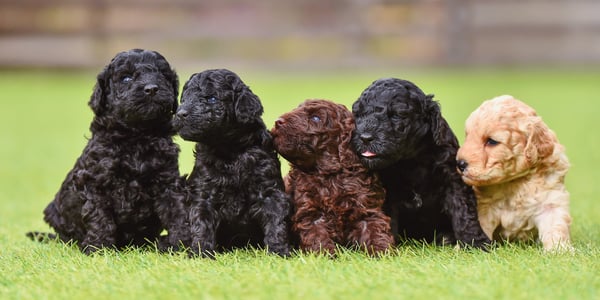
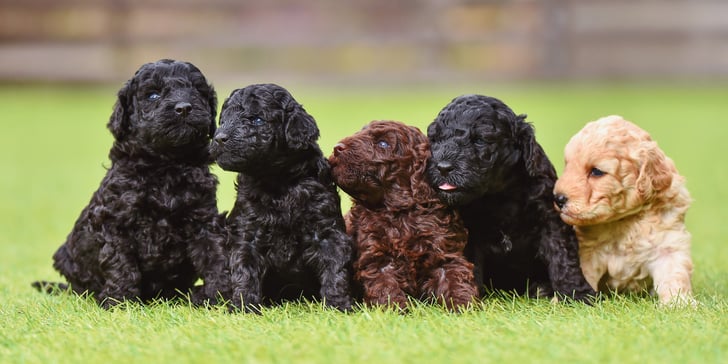
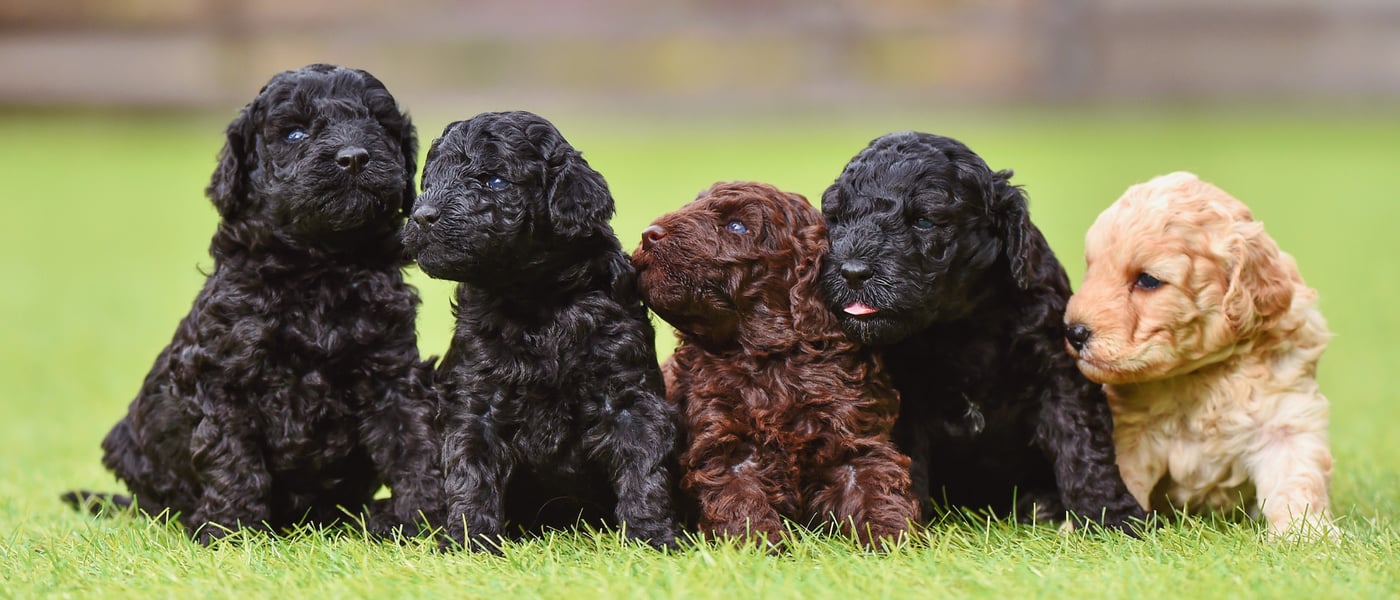
There is a huge variety of coat colours in Labradoodles, from jet black to deep red, plus patterns like parti and phantom.
Many pups change as they get older. Some red puppies often fade. Some chocolates and blacks fade to become blue or silver.
Patterns need clearly defined or sharply defined markings to be classed correctly. Nose colour matters for shades like caramel.
Ethics count. Work with trusted Labradoodle breeders. The founding Australian Labradoodle Association offers guidance on standards.
Pick the colour with care and love, but prioritise health, temperament, and coat maintenance first.
If you want a quick primer on the cross itself, start here: What is a Labradoodle? It explains how Labrador and Poodle genetics shape the Labradoodle coat and temperament.
Why colour varies so much
Colour in a doodle mix comes from both parents. The Labrador gives strong base shades like black, yellow, and chocolate.
The Poodle adds many tones such as red, apricot, cream, silver, and blue.
Put them together and you get a remarkable variety of coat colours and patterns.
Many lines are multi‑generation or F1B. Size, coat, and even colour stability can differ by generation.
If size is one of the factors important to you, please see our guide to Labradoodle size here: How big do Labradoodles get?.
Note on allergens. No colour is truly hypoallergenic. But coat type often matters more than shade.
If shedding is a key concern, read this overview of dogs that don’t shed. You'll see why coat texture, not colour, drives most allergy experiences.
You can also get context from the parent breed here: Are Labradors hypoallergenic?
10 Labradoodle colours and patterns
Based on expert references and breed-community data, we'll take a look at the common and rare shades for Labradoodle colours and patterns.
Here is a practical guide. We present them in a useful order for prospective owners.
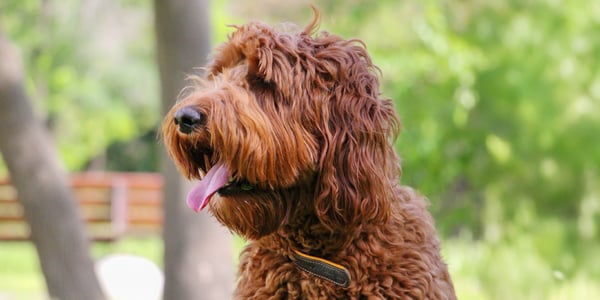
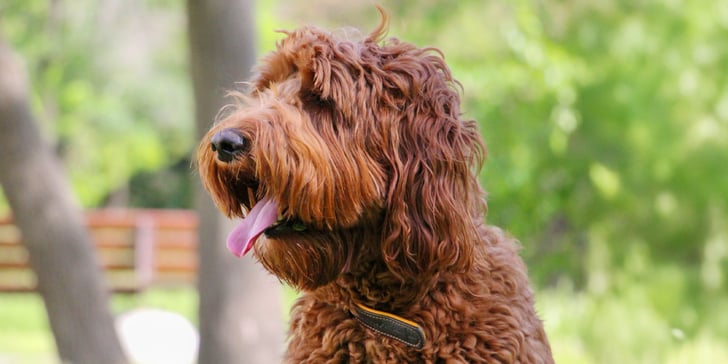
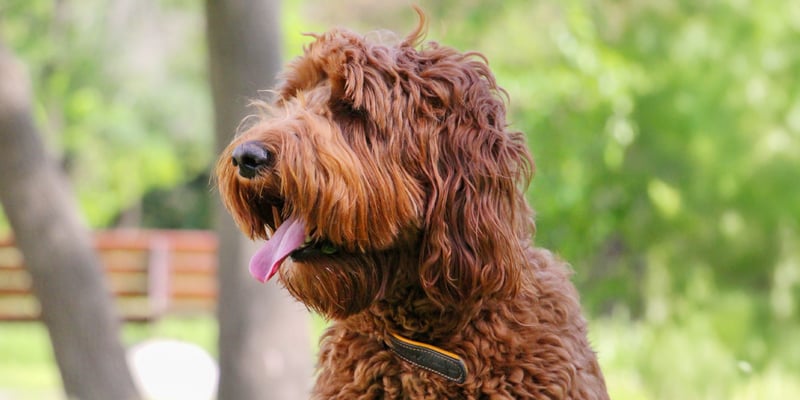
Rich red family
Also called deep red, true red, dark red, mahogany red, or deep mahogany red.
Many red puppies often fade to a lighter red or dark cream colour as they get older.
Typical black nose or dark points.
Note: Some lines “clear” or lighten significantly.
Apricot and cream
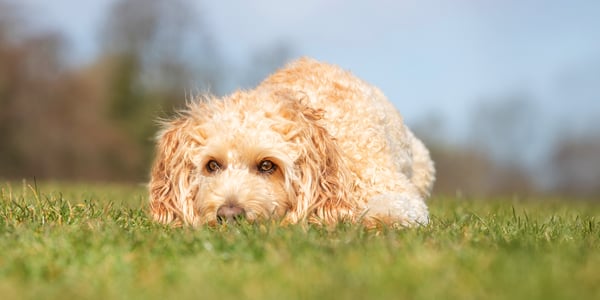
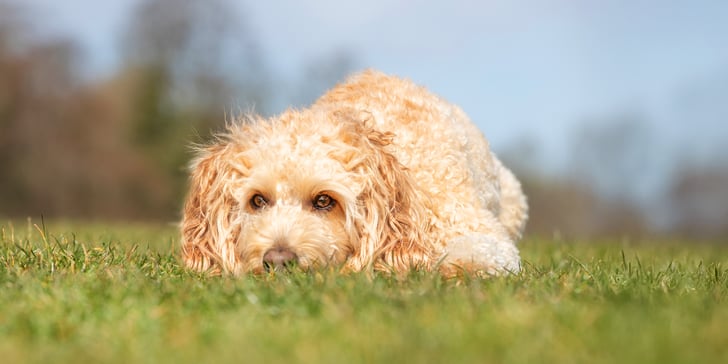
Soft teddy hues. Cream Labradoodles can look almost white and are sometimes called the Yellow Labrador.
Nose can be dark or liver depending on ancestry.
Great for families who like light coats.
Caramel
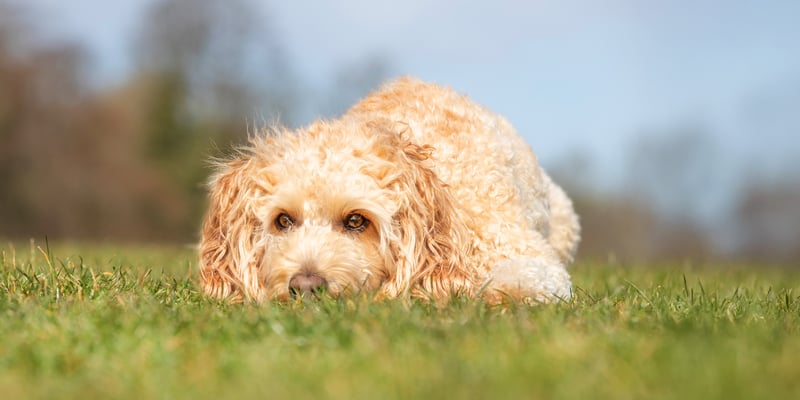
In many Australian Labradoodles, caramel is linked to a liver pigment. Often a rose nose or brown nose and liver eye rims.
A yellow or apricot dog with a liver pigment can be classed as caramel.
Chocolate
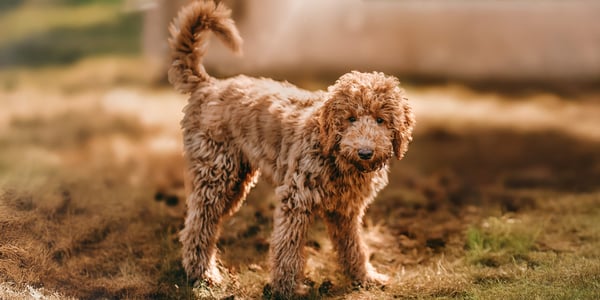
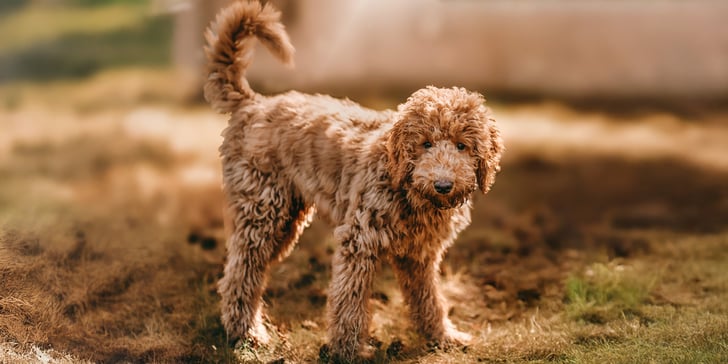
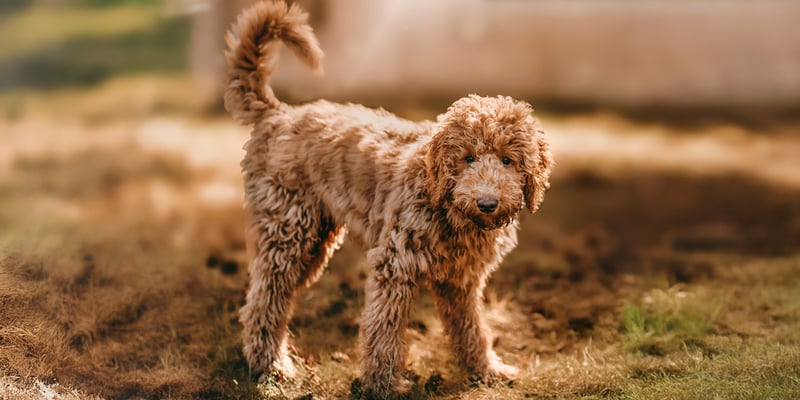
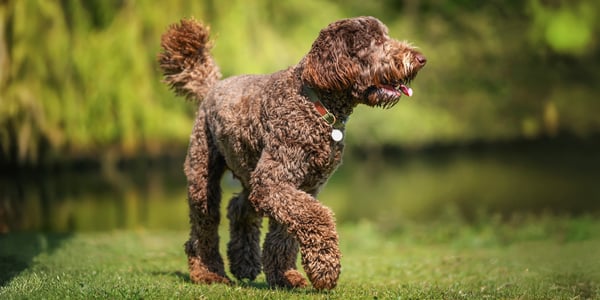
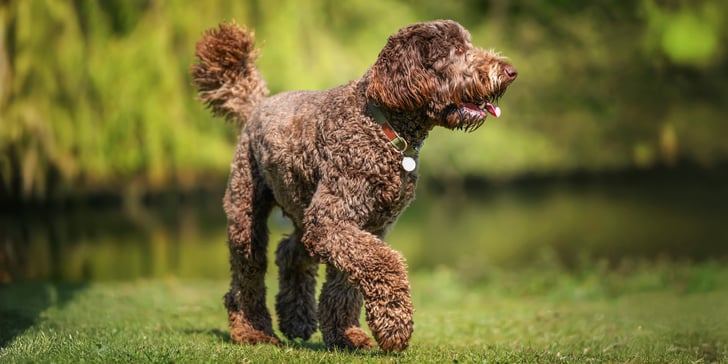
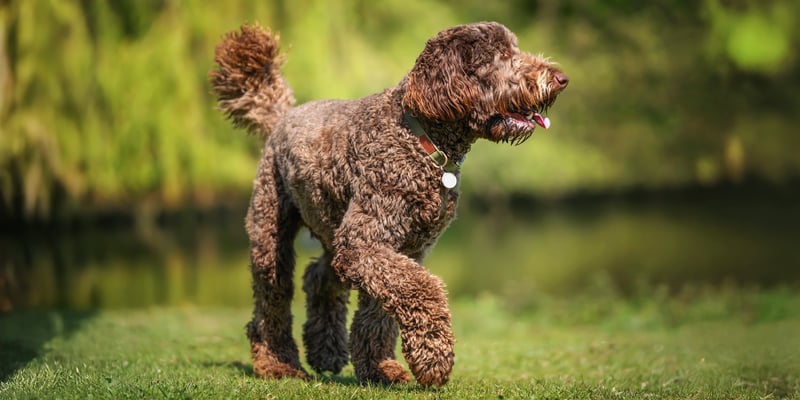
From milk to dark cocoa. A classic look in chocolate labradoodles.
Some chocolates can fade or darken with time.
Nose usually matches pigment, often liver.
Jet black and black
Glossy black coat that may stay inky or “clear” with age to blue or silver tones.
Black points, including black nose, paw pads, and eye rims, are common.
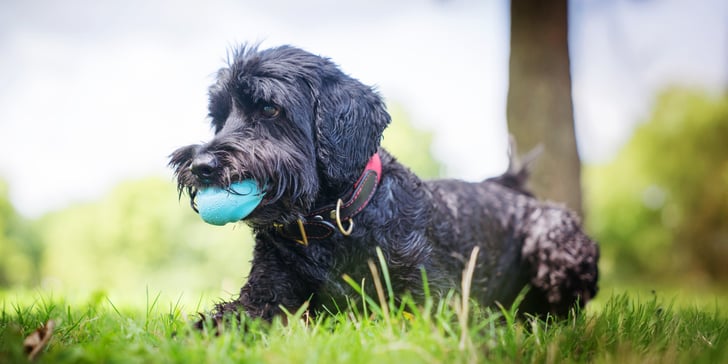
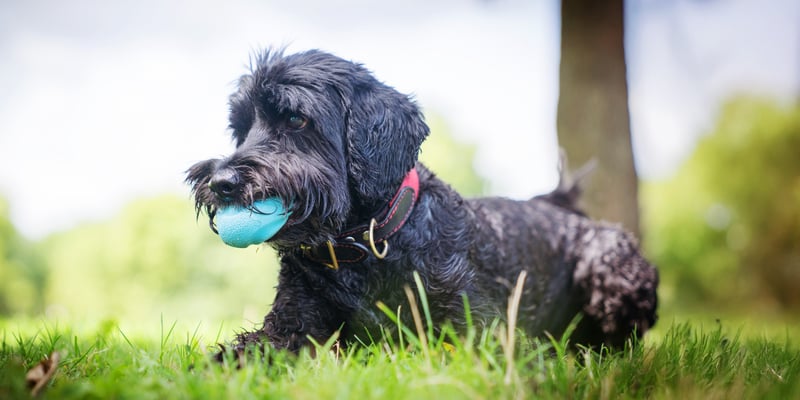
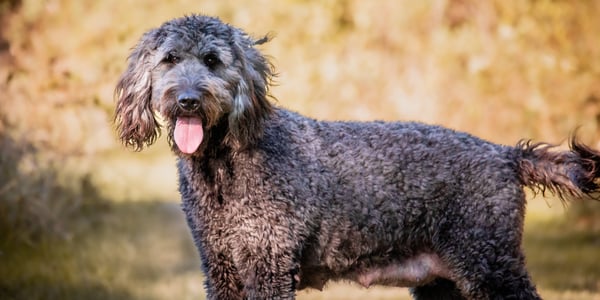
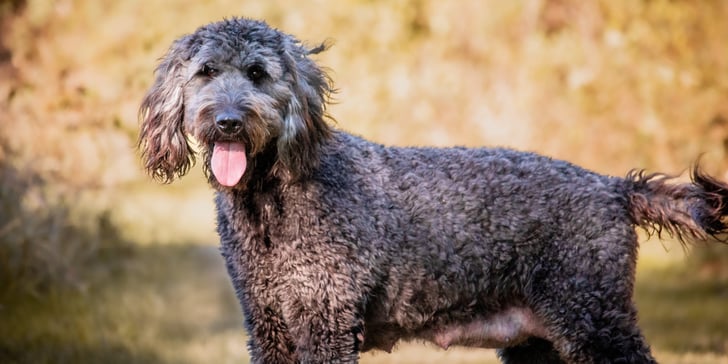
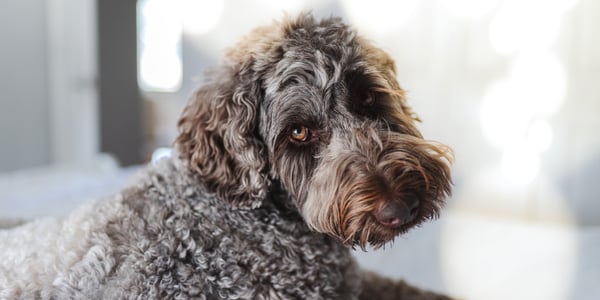
Silver and blue
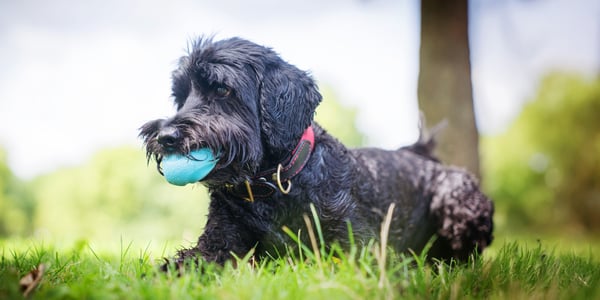
Often born dark which will fade to become blue or silver.
You may notice paler areas under their eyes as clearing begins.
These can look striking in patterns.
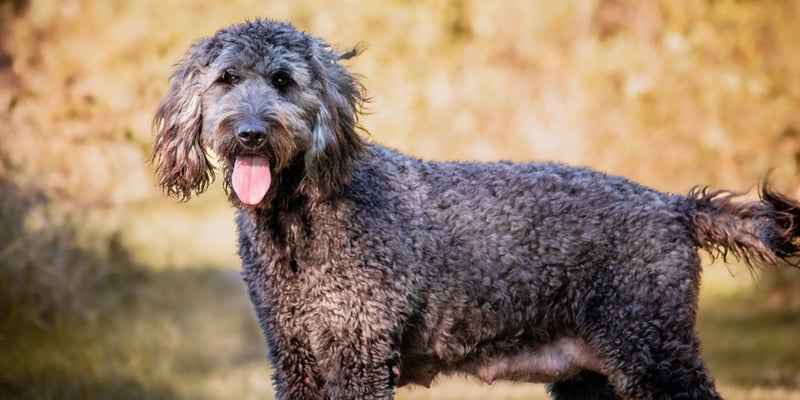
Phantom
Base coat with defined markings of a second colour on the muzzle, chest, eyebrows, and legs.
Placement must be clearly defined and consistent to be a true phantom.
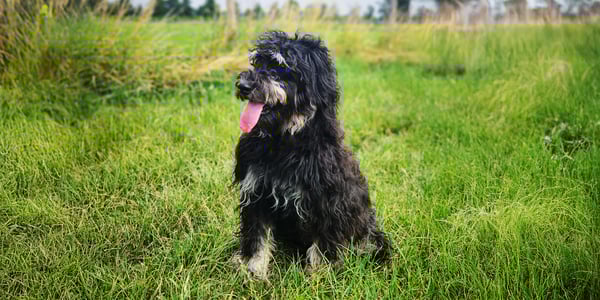
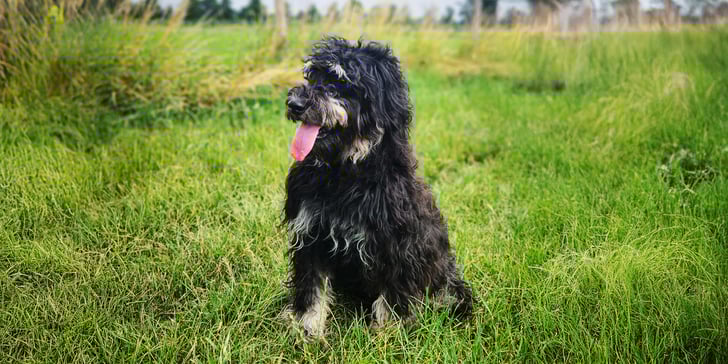
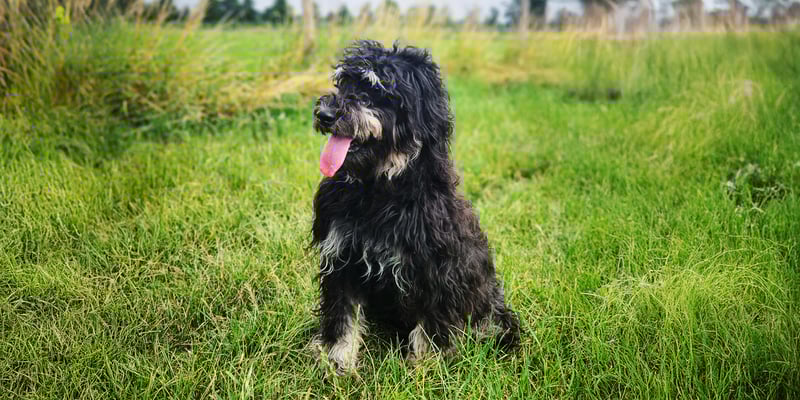
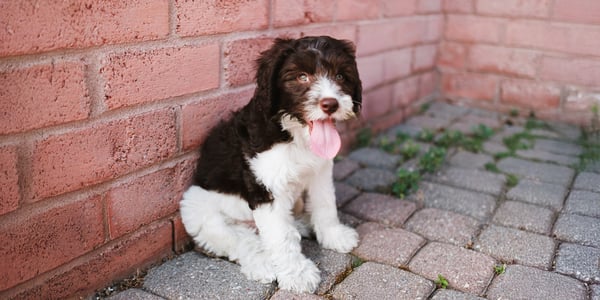
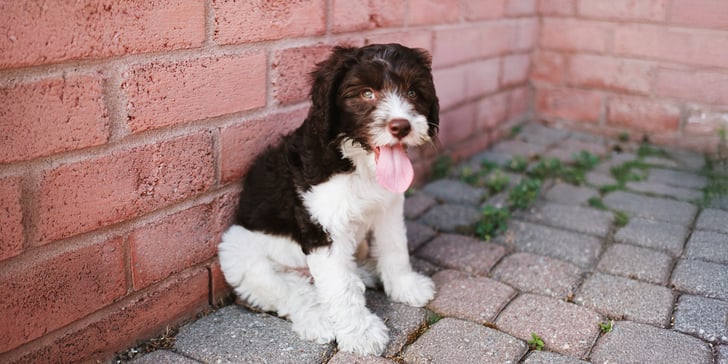
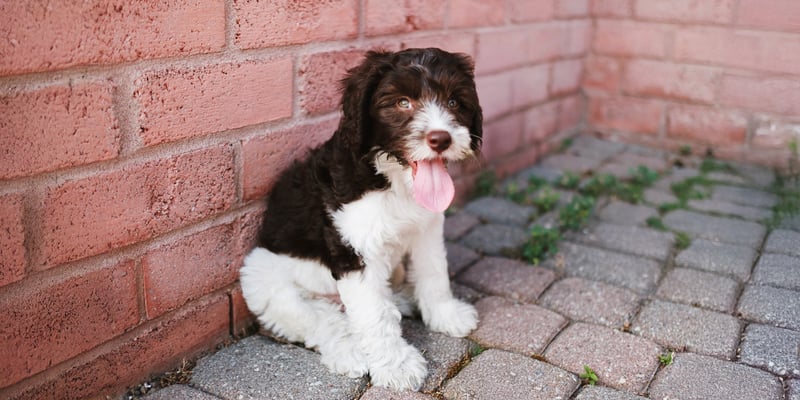
Parti and tuxedo
Parti means a solid base colour is not present. The body is white with a small amount of another colour or more. Often over 50% white with big white coverings and large patches.
Tuxedo is a special bicolour with a black body and white markings like a chest panel and white patches on legs. Think of a sharp suit.
Sable
Often born black and then lighten as they get older. Tips may stay dark.
Can “grizzle” over time. Very eye-catching.
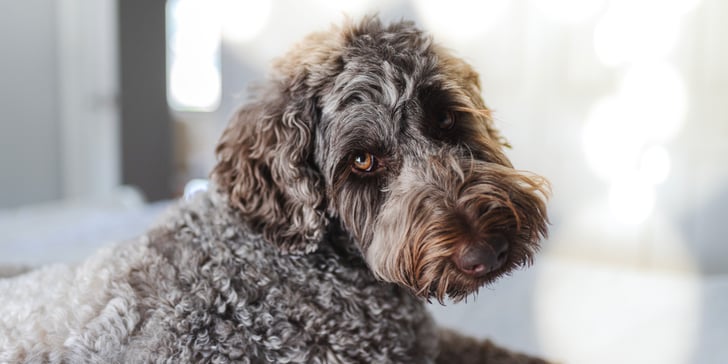
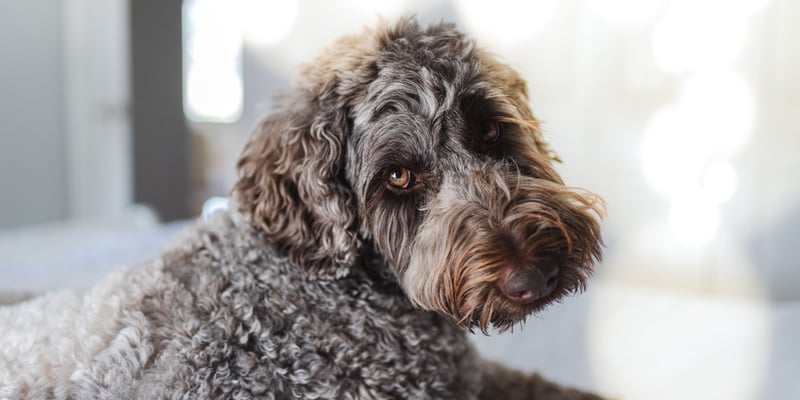
Parchment, Cafe, Lavendar
Soft, milky coffee tones that often start darker and clear out.
You will hear “cafe or parchment” in some lines, and rare lavender and parchment descriptors in Australian Labradoodle circles.
These are uncommon and prized by collectors of rare shades.
Quick reference table
For a broader breed view after this guide, save the Labradoodle Breed Guide.
Pattern notes and ethics
Parti Australian Labradoodles are popular. Look for balanced patching and a healthy white-to-colour ratio.
True phantom needs defined markings in the right places. Lines that miss these points are not phantoms.
About Merle. The merle gene creates marbling and pale patches. Double merle breedings are unsafe and unethical. Many Kennel club aligned breeders avoid merle in Australian Labradoodles to protect health and type. Always ask your breeder about testing and policy.
Some lines, such as the Australian Cobberdog, have their own standards and naming. Colour rules can differ a little by registry.
Why nose colour and pigment matter
Nose and eye‑rim pigment help classify certain shades:
Caramel typically shows a rose nose or brown nose.
Blacks, reds, and apricots often show a black nose.
Chocolates often match liver pigment.
Pigment helps keep pattern edges clearly defined.
Will my puppy's colour change?
Yes. Many dogs “clear” or lighten in the first two years.
Black colouring can be clear to blue or silver.
Reds and apricots can soften to a dark cream colour.
Sables are born black and fade to become lighter with dark tipping.
Chocolates can darken or lighten over time.
Tip: Choose a puppy a shade darker than your ideal adult coat.
Grooming by colour
Some colours and patterns show knots and dander more than others.
Very dark coats show lint. Very light coats will show their messy garden stains.
Patterns like parti and tuxedo make mats easier to spot near colour seams and white patches.
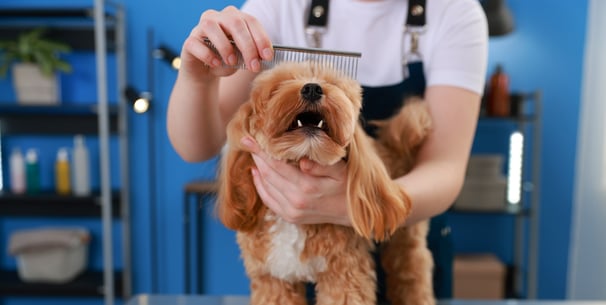
Keep to a steady routine. Brushing 3 to 5 times per week. Professional grooming every 6 to 10 weeks max.
Health costs can vary by dog, not by colour. If you like to plan ahead, here is a simple place to compare cover options: Labradoodle pet insurance.
Choosing a colour the smart way
Prioritise personality and love for your future labradoodle.
Put health and temperament first.
Ask your breeder which colours tend to hold or clear in their line.
Confirm health testing, especially eyes and hips.
If shedding levels matter, focus on coat type first, colour second.
Frequently asked questions
Do colours affect shedding?
Colour does not. Coat type does. A red, cream, or black with a wool or fleece coat may shed less than a hair coat.
Are merles real Labradoodles?
Sometimes you see merle in mixes or outcrosses. Health screening is key. Never breed double merle.
Does pattern affect size?
No. Size is about genetics and generation. See growth tips here: How big do Labradoodles get?.

From everyday questions to expert advice, we’ll help you feel confident in every moment of pet parenthood.
Get your quote
Along with our excellent coverage, we offer access to a 24/7 online vet to answer all your sticky questions.