

Summary
Index
Introduction
When choosing a breed, health issues and longevity can be big factors in your final decision. We all want as much time as possible with our furry friends. But what about Maltipoos? What is their lifespan and health like?
Well, most Maltipoos live 12 to 15 years when well cared for. With the right habits, some may live a little longer. Want to learn more? Let's take a look.
Key takeaways
The average Maltipoo lifespan sits in the low teens, although real‑world lifespan varies and is determined by many factors.
Body size matters. Generally, their small size makes little dogs live longer than larger ones, a trend seen across UK data from RVC VetCompass.
Good habits, like a complete and balanced diet, regular exercise, and routine vet visits, help them live a long, comfortable life.
Well-bred pups with mixed-breed genetics and health clearances from a breeder can avoid some risks, which can help them live even longer.
Coat and teeth matter too, so Maltipoos need regular home care, dental care, and a monthly groom to catch any potential issues early.
How long do they usually live?
As a hybrid of two toy parents, the Maltipoo lifespan tends to be steady in the low teens. Put simply, their lifespan often mirrors that of other toy crosses.
Think 12 or 13 as typical, then care and genetics shape the rest. Can a Maltipoo live past 15? It happens, although not every dog will.
For a deeper look at size, temperament, and care, see our full guide to the breed.



What influences how long they live?
Genetics and size set the baseline. As a toy cross of the Maltese and Poodle, this small dog breed will often have a longer lifespan than larger breeds. An interesting graphic on longevity from VetCompass at the RVC can be seen here.
Crosses can benefit from mixed breed diversity, though no cross is risk-free, while a purebred line can also experience better lifelong health when they are well selected and tested for genetic issues.
In addition, proper care and steady routines help dogs live longer, with regular exercise increasing overall health through the years.
If you choose to buy, ask for health testing evidence. You can learn more on the BVA health test schemes page, which has some great information!
Health and grooming essentials in the UK
These dogs are companion superstars, yet Maltipoos are prone to certain issues that you can manage with good habits.
Ears first. They are prone to ear infections, so clean their ears weekly to keep their coat clean around the canal and to ensure that your pup stays comfy.
Watch for other common health complaints like dental tartar, itchy skin, and knee laxity.
Ask your clinic about specific health screening relevant to your lines.
Low-shedding coats are common in the breed, although Maltipoos shed a little throughout the year, so a soft brush helps keep the coat clean and tangle-free. Many owners say Maltipoos have sensitive skin and/or tummies, so choose products that suit them.
Book vet care promptly if you spot any health issues, and plan your vet visits so regular checkups keep you ahead of anything. If you are unsure, always consult your vet.


Feeding and daily routine
Good meals power long years. Choose high-quality dog food that suits little mouths, and make sure the ingredients promote a balanced diet. Avoid table scraps, and keep human food to a minimum.
It is also recommended to measure portions of dog food by weight, not by eye, and adapt for age, activity, and even weather.
With activities, short play sessions keep joints happy, and along with their diet, all support a long and healthy life.
From first weeks to golden years
Ageing is a journey, and the stages are fairly predictable, from bouncy and active youth to a thoughtful senior dog. Look for signs of ageing such as cloudy eyes, stiffness after naps, or new worries about stairs.
At this stage, steady routines and home tweaks can boost a Maltipoo’s comfort and protect their joints. Track weight, habits, and sleep to spot shifts in your Maltipoo's health.



Smart choices for UK families
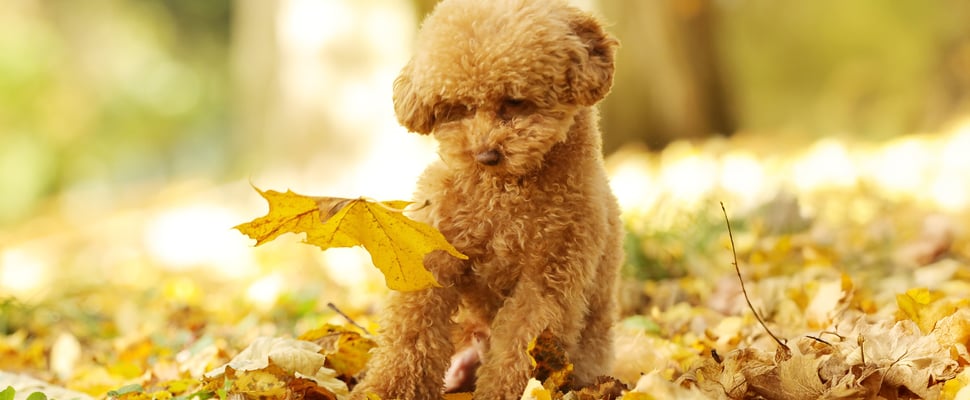
For families, the Maltipoo blends the traits from both parents. In terms of size, they usually weigh under 10kg, with smaller varieties being much smaller. This means that they suit many types of homes.
In terms of their temperament, the Maltese brings sweetness, and the Poodle brings brains. Many Maltipoo parents choose training classes and safe socialisation early, and most Maltipoos are great with kids when they are well socialised.
Before you bring any new dog home, learn about the parent lines and official standards, then decide what suits your home.
If you've decided already, just ensure you get a Maltipoo from a reputable breeder and ask to see tests and health clearances.
Remember, this is a mixed-breed cross, not a KC recognised pedigree. It's important to understand that there are also rescue options, which can be a kind choice for a dog needing a new home.
Reading about the Poodle parent in this guide can also be helpful.
Practical UK checklist to help yours thrive
Here's a quick list of tips that can help you on your journey together:
Portion control and activity will help your Maltipoo stay trim and mobile.
Aim for steady routines that keep your Maltipoo healthy, which in turn supports a long life.
With love, training, and good meals, you can help your Maltipoo live well.
Consistent play and calm rest also help them live long and healthy lives.
Regular coat care will keep your Maltipoo comfy.
Think about peace of mind, too; an insurance plan can cushion surprise bills. See our page tailored to this cross with Maltipoo cover. If you are adopting very young, learn about new arrival cover with our puppy insurance guide.
Overall, lots of healthy food, walks, and cuddles will see you spend many happy years together.

From everyday questions to expert advice, we’ll help you feel confident in every moment of pet parenthood.
Less stress, more love.
Along with our excellent coverage, we offer access to a 24/7 online vet to answer all your sticky questions.