Summary
Index
Introduction
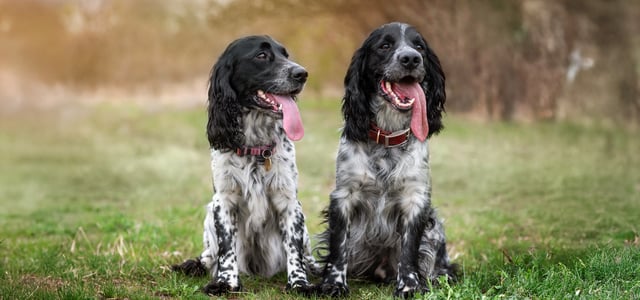
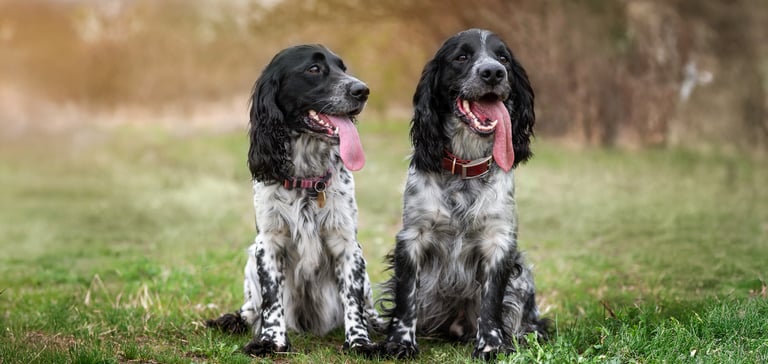
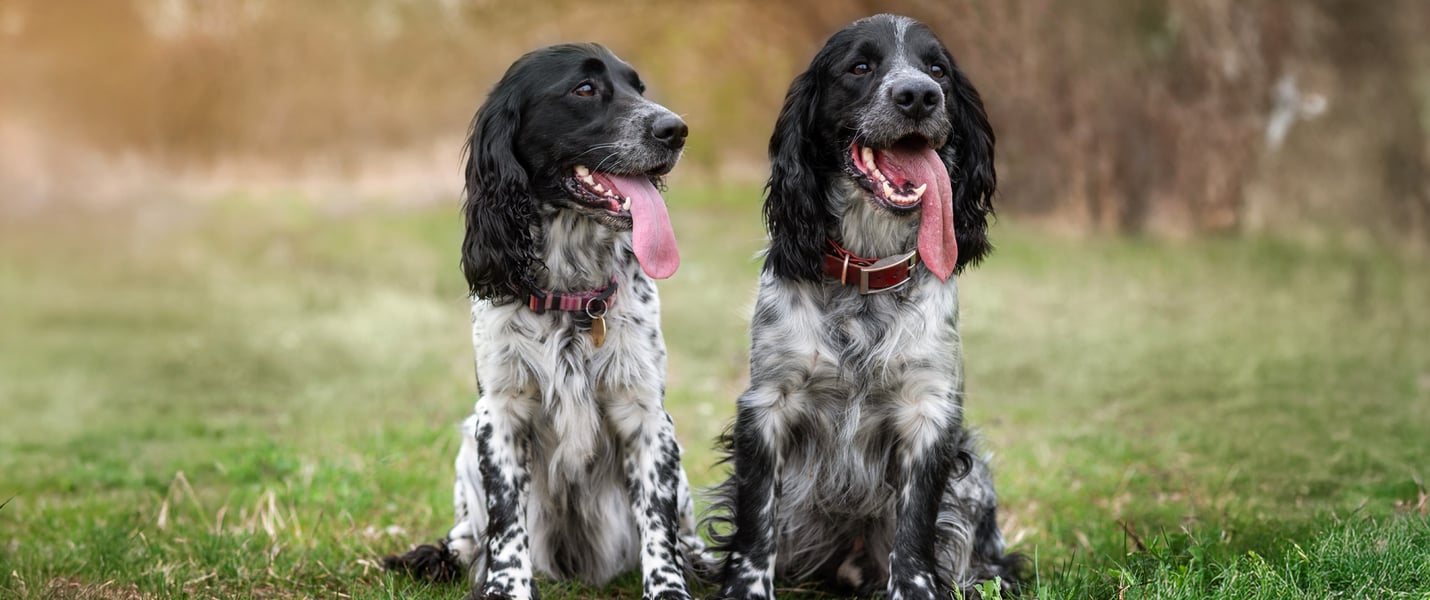
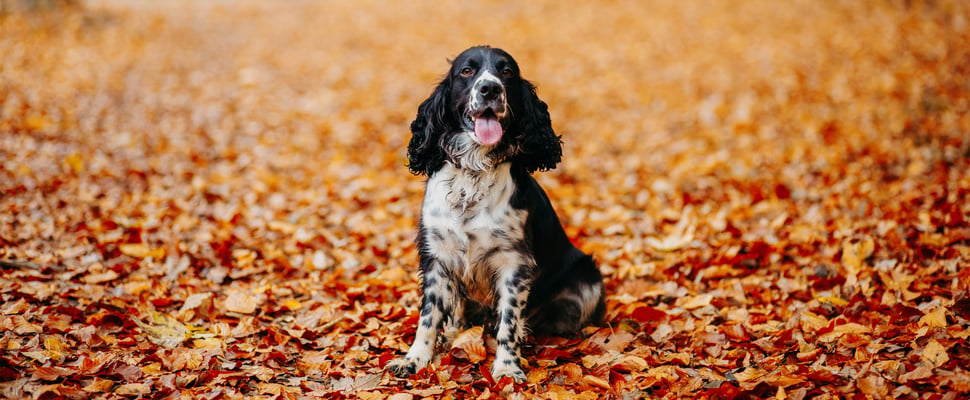
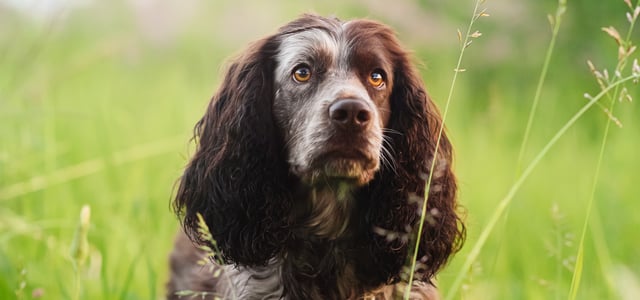
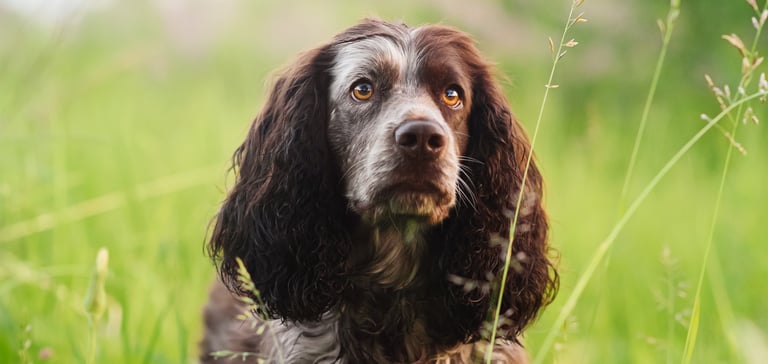
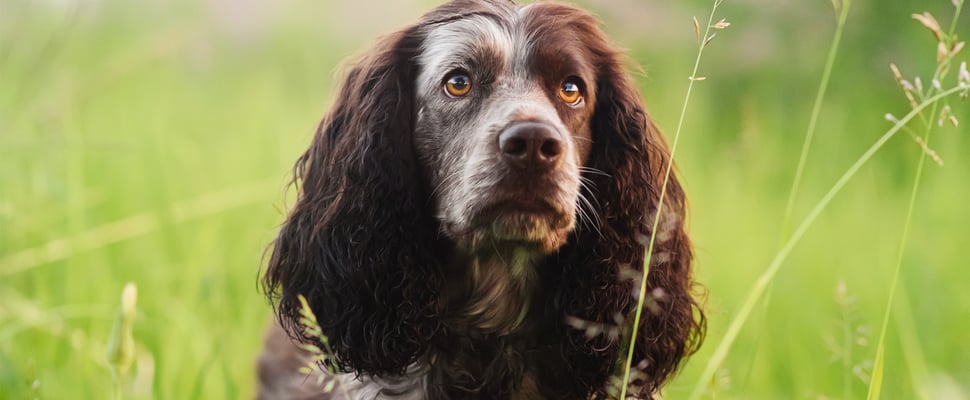
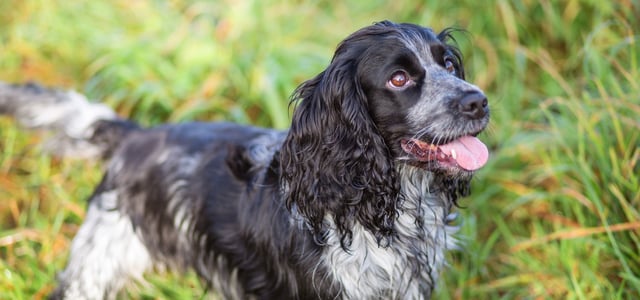
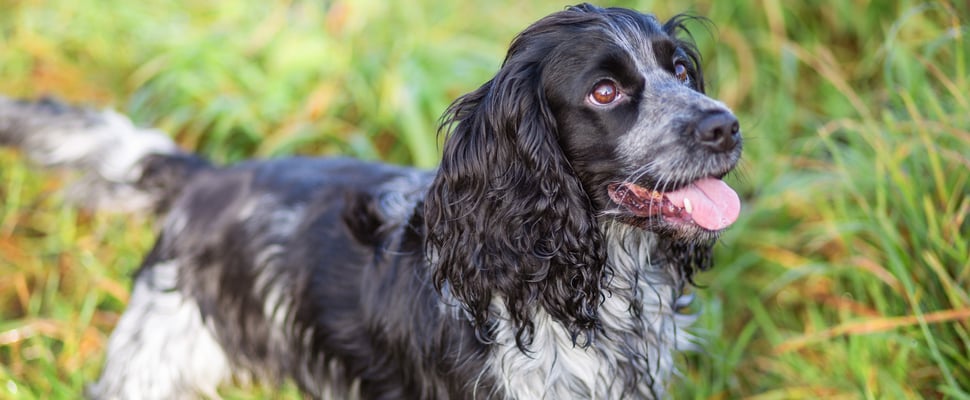
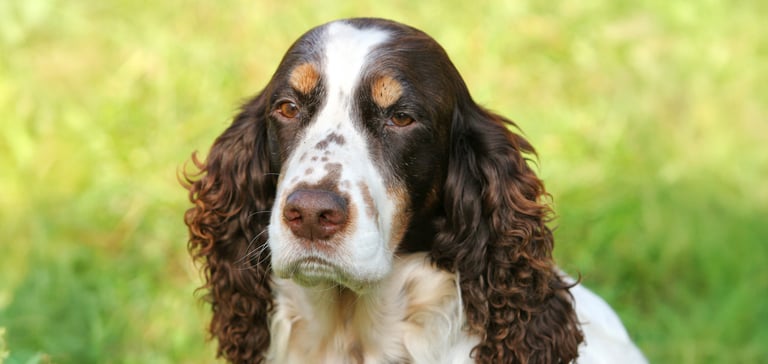
Let's look at the coat colours and types of the super cute English Springer Spaniel. Most recognised colours for the English Springer Spaniel are black or liver and white, tri-colour with tan, and roan patterns, both seen across both show and working lines. Coats are medium length with feathering and come in flatter show coats or tighter, easier-care working coats.
Key takeaways
The most common colours are bold black and white or rich liver and white, with roaning and tan points also seen.
Show dogs tend to carry more colour, while field-bred dogs often show more white for visibility in cover.
Roaning increases with age and grooming approach; regular brushing preserves feather and reduces mats.
DNA tests exist for eye and blood conditions; reputable breeders share health information before you bring a pup home.
Choose coat type for your lifestyle first; colour is personal preference and does not change temperament.

Standard colours at a glance
Below is a comprehensive list of the colours you will see in standards and at a dog show. We list them to help you recognise what is acceptable for a purebred Springer:
English Springer Spaniel colours (show standard)
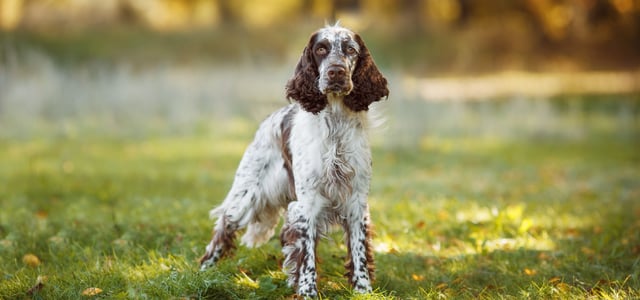
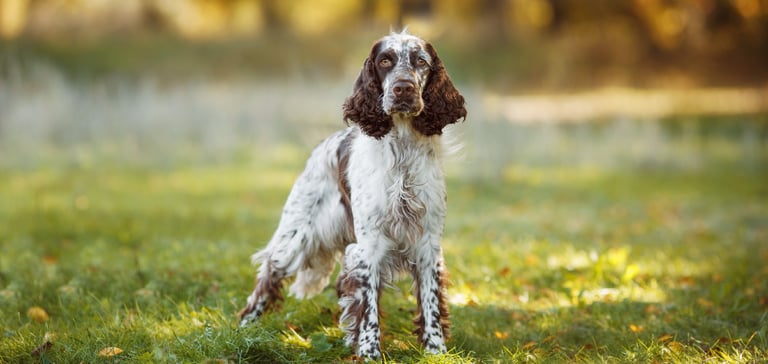
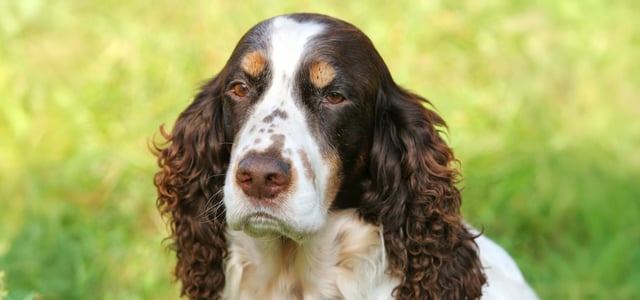
Liver and white
Black and white
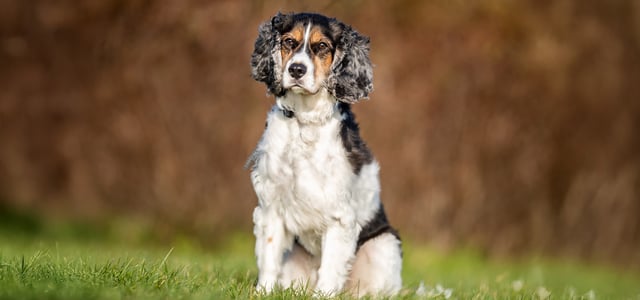
Either of the above with tan markings (tri-colour)
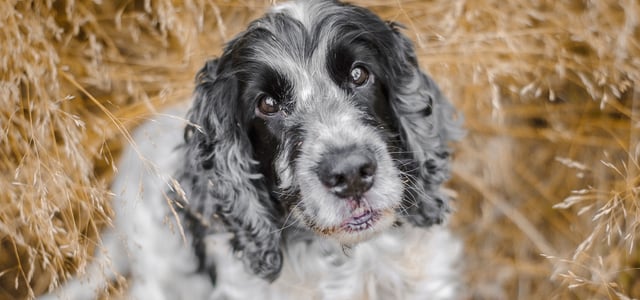
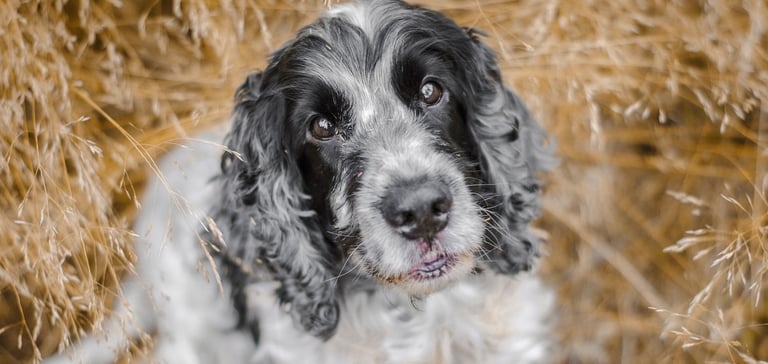
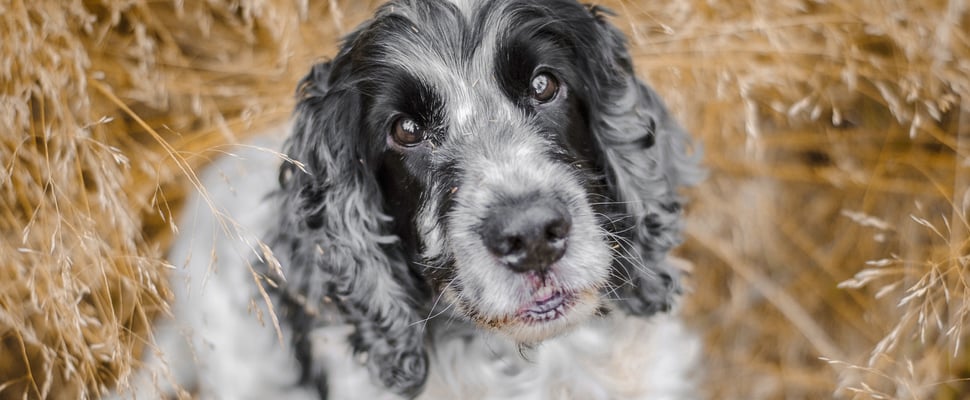
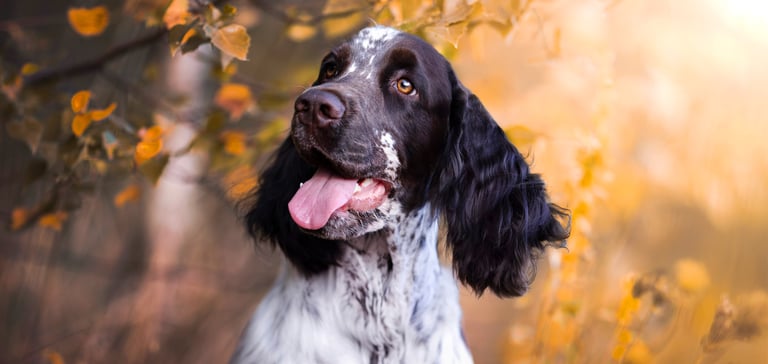
Roan variants: Liver roan and blue roan (blue roan = roan on black and white)
Ticking or flecking may appear in white areas
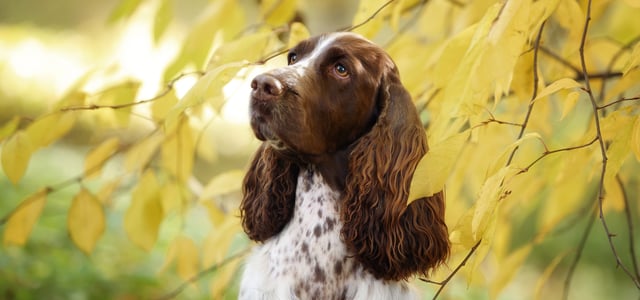
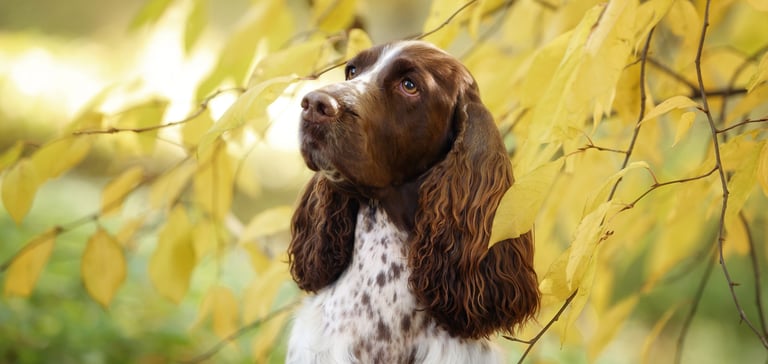
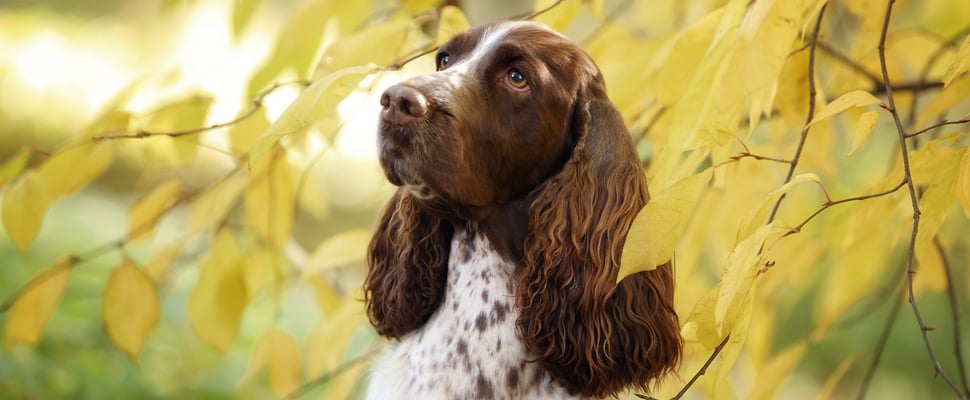
Quick naming reference:
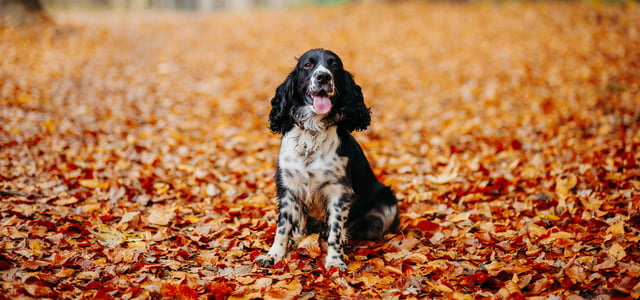

What is not standard or can be misleading
All-white: not typical; standards allow predominantly white with coloured markings, not fully white
Solid colours only (solid Liver or solid Black): not correct for the English Springer Spaniel
Merle, brindle, sable, dilute “rare” colours: not part of the breed standard
FCI wording aligns with this: either of these colours with tan markings for tri-colour.
These combinations align with major standards such as the United Kennel Club, which lists black and white or liver and white, predominantly white with black or liver markings, blue or liver roan, and tricolour with tan points.
There are even mentions of preferred iris shades like dark hazel in liver dogs and black or deep brown in black dogs. See the concise standard for accepted colours and iris tones at the United Kennel Club.


Why do Springers look so different from one another?
Short answer: genetics, function, and breeding focus. Show lines have heavier furnishing and more colour, while field-bred dogs often have more white for visibility in cover.
That helps when working in hedgerows and bracken. You will also notice more roaning as a dog matures.
Roaning is the intermingling of coloured hairs in white areas and is common in both blue and liver roan coats. Ticking can look sparse in a young puppy, which will then become denser with age.
The breed standard accepts roan and tan points equally.
The Springer Spaniel is a medium-sized gundog, so the coat must be practical as well as smart.
Eye pigment typically harmonises with coat colour.
Think warm hazel in liver dogs, and black or deep brown in black dogs.
You can review core breed info in this helpful guide: English Springer Spaniel breed guide.
Show coat vs working coat: which suits your home?
Both are beautiful. The right choice depends on time, terrain, and your grooming routine.
How do Springers compare to other spaniels?
Colour palettes overlap across Spaniel breeds. If you are cross-shopping or curious:
Compare traits, coat texture, and colours in this side-by-side: Cocker Spaniel vs Springer Spaniel.
Explore other UK colour patterns across the family here: Spaniel breeds in the UK.
Read the sister article on Cockers for anchors like tan points and roan: Cocker Spaniel colours and coat types.

Health and welfare linked to coat and skin
Colour does not change temperament, drive, or suitability as family dogs and companion dogs. It can, however, interact with grooming needs and your available time. Keep the ears clean and the feathering free of mats to support overall health and welfare.
Responsible owners and a good breeder will share health information and recommended DNA tests that are especially relevant to Springers:
Progressive retinal atrophy (CORD1 type)
Phosphofructokinase deficiency
Acral mutilation syndrome
These are well-documented in peer-reviewed and breed club sources. A widely cited study links CORD1 PRA to the RPGRIP1 gene in Springers. You can read the open-access research summary here: NCBI PMC – RPGRIP1 in English Springer Spaniel PRA.
If you want cover that accounts for skin, ear and hereditary conditions common to this breed of dog, then consider dedicated plans. You can read more on our English Springer Spaniel pet insurance page.


Quick buyer and owner notes
If a breeder advertises unusual hues, ask for registration and test results. Rare shades often indicate non-registered or mixed-breed ancestry.
Tri-colours list tan points in specific places like eyebrows, cheeks, ears, and under the tail. This matches standards for breed club acceptance.
Springers excel in dog sports like agility, scentwork, and gundog work. Coat choice can be practical if you are training in thick cover.
Many liver and white dogs and black dogs show increased roaning with age, which can help hide mud, which Springer Spaniels love to jump in.
For full context on appearance, training and care, see the core guide again: English Springer Spaniel breed guide.


In conclusion
We hope this breed information helps you pick the right coat look and maintenance level for your home.
Springers are smart, merry workers and wonderful family dogs. With the right grooming plan and health testing, either coat type and either colour family will serve you well in life and in the field!

FAQs
What are the best everyday colour choices for busy households?
Choose by coat type more than colour. A tighter working coat is easier to manage week to week than a heavy show coat. Colours like blue or liver roan hide garden mud better than high-contrast liver and white.
Are solid white Springers acceptable?
Standards do not describe fully solid white as typical. Accepted colourings for this dog breed include white with black or liver and predominantly white with black. So white English Springer Spaniels should still show distinct coloured areas to reflect the standard.
What eye colour should I expect?
Standards describe harmonious iris colour, often dark hazel in liver dogs and black or deep brown in black dogs.

From everyday questions to expert advice, we’ll help you feel confident in every moment of pet parenthood.
Less stress, more love.
Along with our excellent coverage, we offer access to a 24/7 online vet to answer all your sticky questions.