Christmas at the Vets - Dangers, Dos and Don'ts
Index:
Introduction
The holiday season is in full swing, and many of us make an effort to include our furry friends in the festivities. But have you ever stopped to think about how the festive excitement feels from their perspective? This guide provides insight into the Christmas dos and don’ts and key things every pet parent should watch out for - helping both you and your companion enjoy a safe and stress-free Christmas.

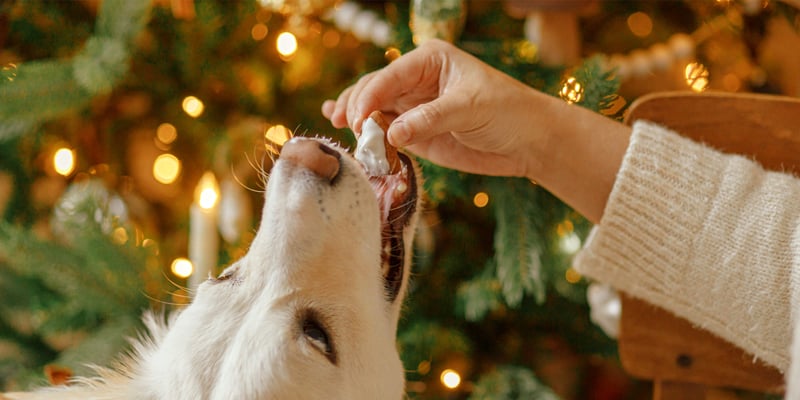
Christmas dangers to watch out for
You may not realise it, but there are plenty of hazards during the Christmas period that can be toxic to pets. These dangers range from poisonous plants, to dangerous foods and decorations. As stated by our Head of Claims, Teresa Guilfoyle, “toxic ingestion accounts for 10% of all claims during the festive period”. Below are some
of the biggest culprits:
Chocolate - cacao is toxic to dogs and cats, increasing the risk of tummy upset and seizures. The darker the chocolate, the more dangerous it is.
Raisins - found in mince pies and Christmas puddings, raisins can cause severe kidney failure and can be fatal even in small amounts.
Onions & garlic - contain toxins that dogs and cats can’t break down, damaging red blood cells and potentially leading to organ failure, which again can be fatal.
Nuts - walnuts, almonds and pecans are just a few examples. It’s best to avoid all nuts, as their high fat content can cause pancreatitis in pets, and they also pose a choking hazard.
Alcohol - signs of alcohol intoxication in animals are similar to those in humans, such as vomiting, drowsiness and disorientation.
Tinsel - it may look pretty, but tinsel can cause severe intestinal blockages that may require surgery.
Fairy lights - chewed wires can cause electric shocks and burns.
Batteries - swallowed batteries can cause chemical burns or blockages, which again can require surgery.
Poinsettia, holly & mistletoe - some examples of festive plants that can cause vomiting and irritation if ingested.
‘Tis the season to be jolly… but lots of visitors, noise and changes in routine can be overwhelming for pets. Whether you’re hosting or bringing your pet to someone else’s home, make sure everyone (especially children) understands when your pet needs space, and set up a quiet retreat for them where they won’t be disturbed. If you’re hosting, you can move their bed, toys, food and water to a quiet spot where
they can relax when needed. Regular outdoor breaks, downtime and keeping their routine as normal as possible will also help them feel calm and secure throughout the festivities.
Christmas and New Year celebrations often include fireworks, but it’s important to consider how these may affect pets. Sound sensitivity is common in many animals, and fireworks anxiety in pets is a frequent concern. Sudden loud noises, random flashes of light and unfamiliar smells can trigger a fight or flight response, as they don’t understand what’s happening. To help soothe fireworks-related anxiety, we recommend turning on the TV or playing gentle music to mask the noise, offering favourite treats to build positive associations, and setting up a quiet haven with blankets and familiar toys. Keep a watchful eye out for signs of stress such as pacing, hiding, reduced appetite, whining, clinginess or excessive grooming.

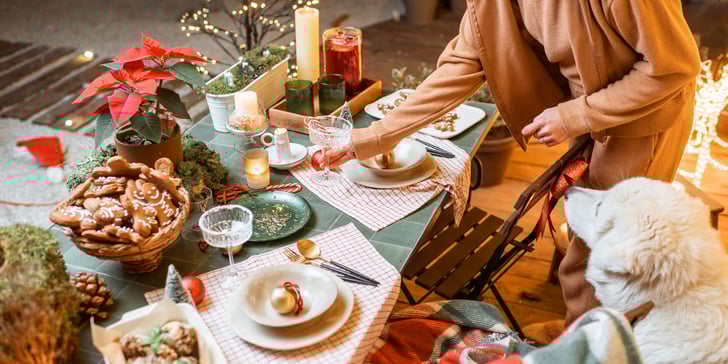
Dos and don’ts
Our top seasonal safety tips include:
Do: Keep a calm demeanour - pets closely read our behaviour and expressions.
Don’t: Ever punish fear. Punishing a fearful pet often increases anxiety, causing a vicious circle. Instead, reassure them, remove them from the situation if needed, and use positive reinforcement for good behaviour.
Do: Set clear rules - ensure all guests know what is and isn’t allowed for your pet, such as what they can eat or whether they can go outside.
Don’t: Overindulge your pet. Sudden changes in diet can cause upset tummies; if you do choose to share some pet-safe foods like sweet potato, brussels sprouts or carrots, offer only very small amounts as treats, not as a meal.
Do: Contact your vet if you have any concerns - it’s always better to be safe than sorry.
Don’t: Forget to clean up. Even if you think food is out of paws' reach, speedy scavengers can still sniff out leftovers and wrappers.
Facts and stats
All UK veterinary practices have a legal obligation to provide 24-hour care for their patients. While some practices offer this in-house with trained staff on-call, most provide this on-the-clock care through a designated out-of-hours clinic while they are closed. This is especially important during the Christmas period, when pancreatitis and gastroenteritis are among the most common issues seen by vets. One particularly memorable festive case from my own time working in veterinary practice involved a dog who came in after eating an entire box of chocolates - wrappers included. There was clearly no time to waste…
Vets Now is an out-of-hours veterinary service that operates across the UK, offering emergency care to pets in crisis. In December 2024, they reported that over the Christmas period, they alone treated 975 chocolate-related cases (with 180 of these cases including chocolate wrappers) and 582 mince pie cases. This led to a whopping 309% rise in chocolate poisoning during the festive period, underscoring the importance of taking precautions to keep our pets safe.
Meanwhile, reports done by Pets4Homes in August 2025 also found a 40% increase in emergency vet calls at Christmas, with surveys revealing that 1 in 3 dog owners unknowingly offer their dogs something dangerous at Christmas.
Conclusion
So, that wraps up our Christmas pet safety guide. If there’s one takeaway, it’s that prevention is always better than cure. By taking the precautions outlined above, keeping hazards out of reach and creating a safe, cosy environment, you can help ensure a vet-visit-free holiday for your pets and allow them to enjoy the festivities just as much as you do. After all, sometimes the greatest gift we can ask for is a safe, joy-filled Christmas spent with the ones who greet us every morning with wagging tails and gentle purrs.
Looking for another festive read? Why not take a look at our latest piece on pet adoption over the Christmas period?
Waggel Pet Insurance
Need more help? You're in luck if you're a Waggel Pet Insurance member. Along with our excellent coverage, we offer access to a 24/7 online vet to answer all your sticky questions, especially if you need grooming assistance.
Not a member? Why not get a quote now and cover your furry friend for a range of illnesses, all while enjoying our amazing perks and rewards.

Want more like this?
Get updates from us with helpful info, advice, answers to frequently asked questions and much more.
Related posts:




Get your quote
Along with our excellent coverage, we offer access to a 24/7 online vet to answer all your sticky questions.