Summary
Index
Introduction
Your workday should not feel like a guilt trip every time you pick up your keys. We get it, dogs are social animals, and it tugs the heart to see your dog's anxiety as they watch you go.
If your worries include separation anxiety or boredom, you are not alone. Let’s make weekdays calmer for both of you.
The plan is simple. We create a cosy routine, add smart enrichment, and set up support for longer stints. Your work life stays on track, and your best friend gets what they need to feel safe and settled.
Key takeaways
Build a pre-work routine so you can leave your dog home alone with confidence and a calm mindset.
Exercise, toilet breaks, a small meal, and a comfy zone reduce stress when a dog is left alone.
Use puzzle feeders, licky mats, and background noise to turn solo time into soothing rest or playtime.
Break long days with a trusted dog walker or quality doggy daycare if you are away for many hours.
Watch for early symptoms of separation anxiety and speak to your veterinarian or a behaviour pro if needed.
Set expectations by age: puppies follow the one hour per month rule until maturity.
Use tech so when your dog is alone, you can still check in from the office or work.
How long can you leave a dog at home?
So how long can you leave your dog? Here are some easy tips:
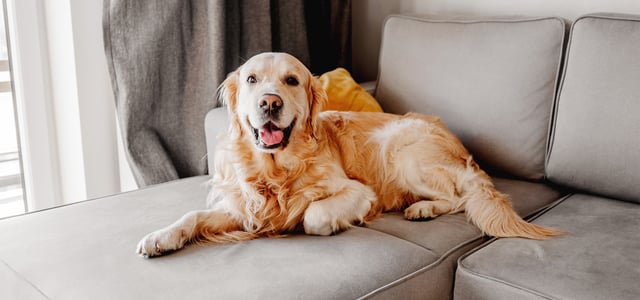
Before you leave: a calm, reliable routine
Exercise your dog: a brisk walk or fetch to burn energy so your pup can enjoy alone time.
Toilet break: make sure your dog has relieved themselves. For young pups, use pads or grass pads if needed.
Feed a small meal: a little food settles the stomach. Fresh food and water should be available.
Create a comfortable space: a bed, safe chews, and a soft item with your scent. A crate can help if it is a happy den. Never force a dog into a crate or you will case increased anxiety.
Practice short departures: start small before you fully leave your dog alone. Quiet exits make it easier.
Keep it nonchalant when leaving the house, then no fuss on return.
This video demonstrates how to prepare your dog for being home alone. It includes entertaining tips and tricks which are easy to implement and could help you immensely.
During your absence: keep it enriching and quiet
Give your companion jobs to do. Food puzzles, a stuffed Kong, and soothing licky mats help them relax when leaving your dog alone. If your pet enjoys a calm soundtrack, add radio, TV, or white noise.
Enrichment does not need to be fancy. A simple sniff-and-search game turns a room into a treasure hunt. Some dog accessories that make pet ownership easier can stretch meals and keep noses busy, so you can be entertained at home while you’re out.
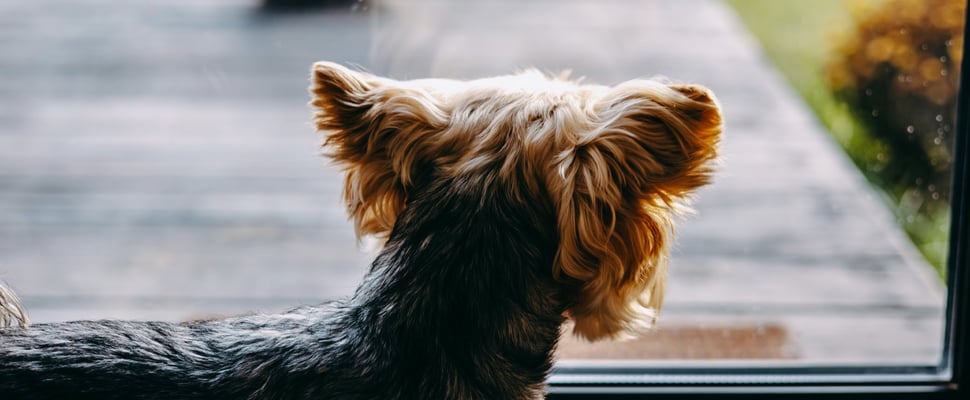
Use a camera to check in for peace of mind. You will notice patterns, like when your pet naps or vocalises. If you hear barking, this guide on what your dog's barks mean can help you respond better in future.
Common stress signs when dogs are left alone include whining, pacing, and drooling. If your dog seems on edge, try scatter feeding, a chew, and calm background noise. As a dog owner, your goal is a routine your pet can repeat.
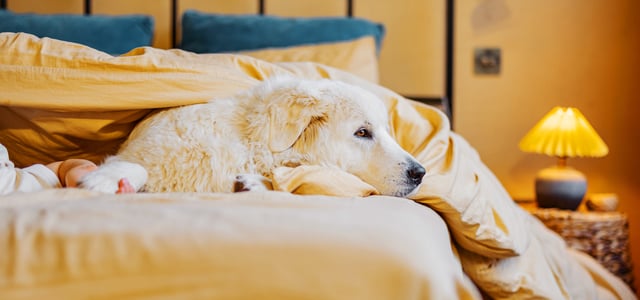
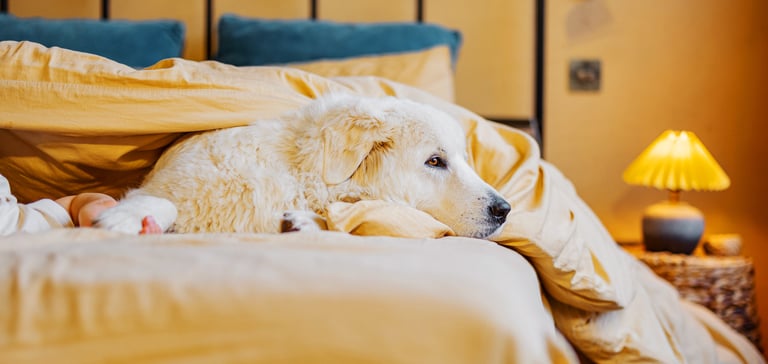
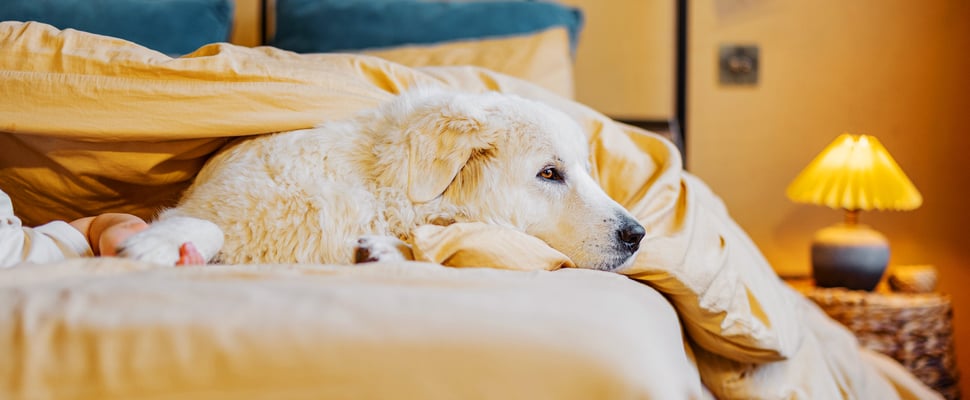
When you get back: steady, low-key hellos
Keep your return calm, then quietly greet your dog. A simple pat and soft voice do more than a big party. Dogs read energy, so relaxed vibes tell them everything is fine.
Take them for a toilet break, then enjoy a little training or play. This helps your friend switch states and feel secure when they’re home. A few minutes of focus and fun are worth gold.
Alternatives for long workdays
Office life can be a 9-5, or even longer. If you work all day, add help rather than relying on pure endurance.
Many pet owners thrive with a midday walker or a couple of drop-ins. It's a simple way to support your pet's wellbeing during long hours.
Some families try an outside daycare. Others pick a small, home-style dog daycare. Quality matters more than labels, though, since not every dog loves a crowd. If you are working full-time and going back to the office, plan a slow ramp-up.
You can mix support, too. If you work long hours, book a walker twice weekly and rotate a sitter on one day. If your job lets you work from home part-time, use those days to refresh training so your dog is calm enough to be home alone on office days.
Here's a handy table breaking it down:
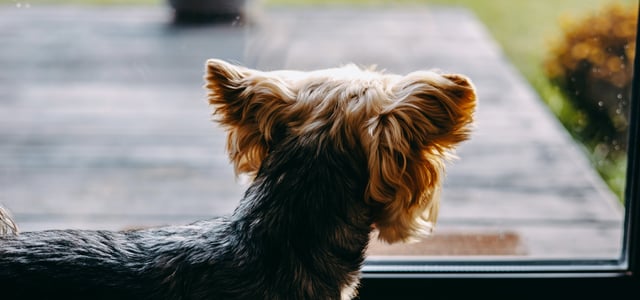
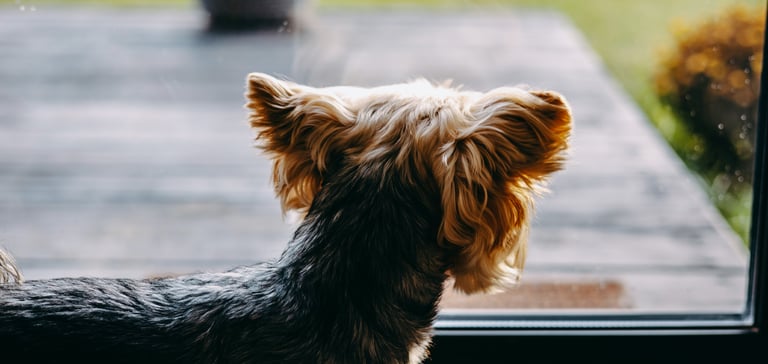
Behaviour, stress, and getting help
If your friend struggles or you spot symptoms of separation anxiety, act early. Talk with your veterinarian and consider a professional dog trainer. Waggel offers our members free behaviour consultations to get you started.
New gear can help too. A yellow lead or calming tool may tell others your pet needs space. See the top products for anxious dogs with Yellow Dogs for practical ideas. Keep social time gentle, and only socialise with other dogs if your friend actually enjoys it.
Remember, while dogs are social, each dog is an individual. Some will prefer staying home with a chew after a walk, while others love group play. Add one new support at a time so you can see what works.
Quick answers for busy schedules
We hear these questions a lot from people who want a dog or already have one.
Can I be out for a full shift?
Yes, with planning. You might use a walker and set up enrichment so your buddy can rest for hours at a time. Mix home care and support until routines are smooth enough to be alone without stress.
What about a house with three dogs?
Some multi-dog homes do great, but do not assume you can just leave them alone. Personalities matter, and space does too. If conflicts pop up, separate zones help.
Should I get another dog?
Sometimes it helps, sometimes not. Two bored dogs can be twice the trouble. Try trial playdates first.
Is it fine to leave a dog home alone while I settle into a new role?
Yes, but build up time and adjust your work schedule. During a transition back to the office, train short absences first.
Extra ingenuity for a happier dog
Use household items to keep your dog occupied. A towel roll-up with treats or cardboard puzzles can work a charm. You can also use safe chews and frozen Kongs to provide your dog with calming activities.
Final friendly reminder
People often worry they are not “a good dog parent” if they cannot be home constantly. When you get a dog, leaving them at home alone during the day is never guilt-free, but you do not need perfection, only consistency.
Ready to make this easier? Start your new routine today, tweak it for a week, and if you hit a snag, reach out for help. You have got this, and so does your dog.

From everyday questions to expert advice, we’ll help you feel confident in every moment of pet parenthood.
Less stress, more love.
Along with our excellent coverage, we offer access to a 24/7 online vet to answer all your sticky questions.