Summary
Index
Introduction
We all love the teddy bear face of the British Shorthair cat, but what are they like to live with? In short, a British Shorthair can be a brilliant fit if you want a relaxed, sturdy companion who likes being near you but not necessarily on you.
The catch is that this breed can be prone to weight gain and has a few health risks worth taking seriously before you commit.
Key takeaways
Great for calmer homes and busy people who still want company.
Often friendly and gentle, but not always a constant lap cat.
Needs routine play and portion control to avoid weight gain.
Health screening matters, especially for heart and kidney disease risks.
Indoor life can work well, but only if you set up proper enrichment.
Meet the British Shorthair
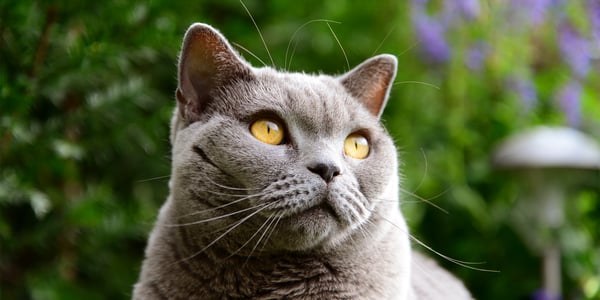
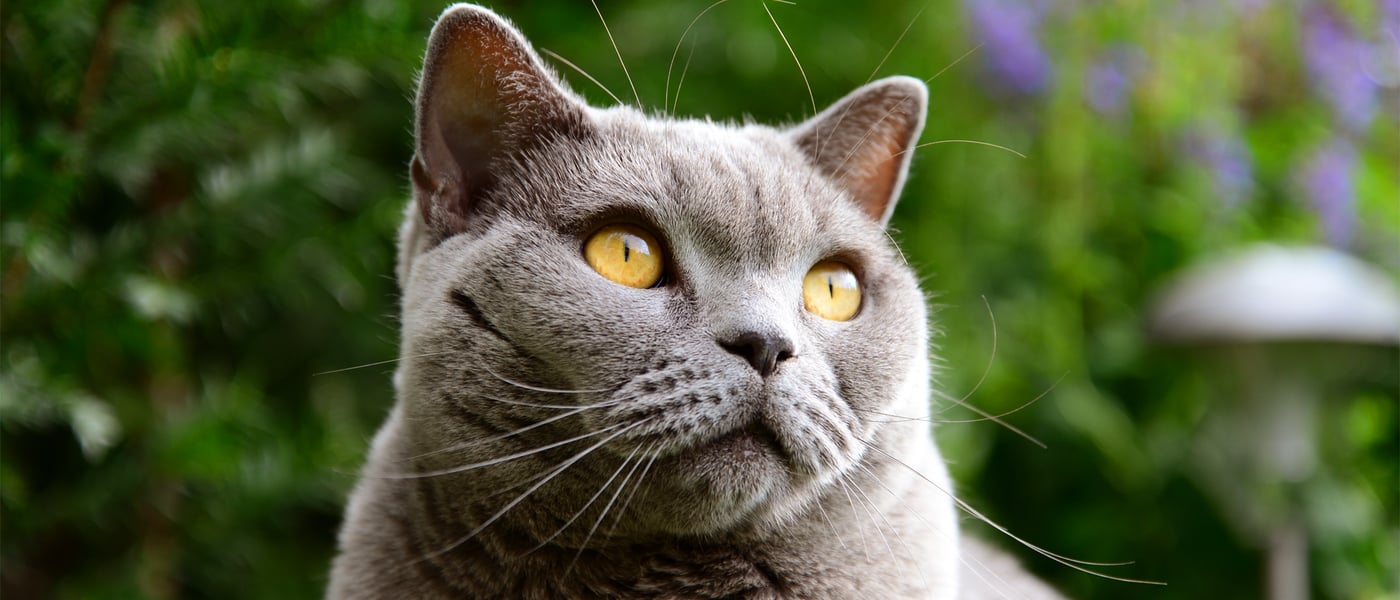
If you picture a plush teddy bear with a slightly unimpressed face, you're thinking of a British Shorthair.
This breed is a solid, round-faced shorthair cat with a thick coat and a laid-back vibe.
If you want the full profile and care basics in one place, start with this British Shorthair breed guide.
The history in a nutshell
The history of the British Shorthair starts with breeding sturdy, British domestic cats, and many sources trace their roots back to cats brought to Britain by the Romans to help control vermin.
By the late 1800s, fanciers began refining them into a consistent type through selective breeding and early cat shows, helping shape the round-faced, plush-coated look we recognise today.
In the UK, pedigree cats are commonly registered through the Governing Council of the Cat Fancy, which sets standards and records pedigrees.
That matters because papers and health tests are not just “nice to have”. They help you understand what you are really bringing home.
Pros: Why people love living with this cat
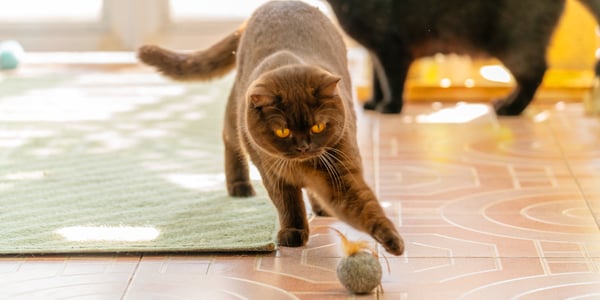
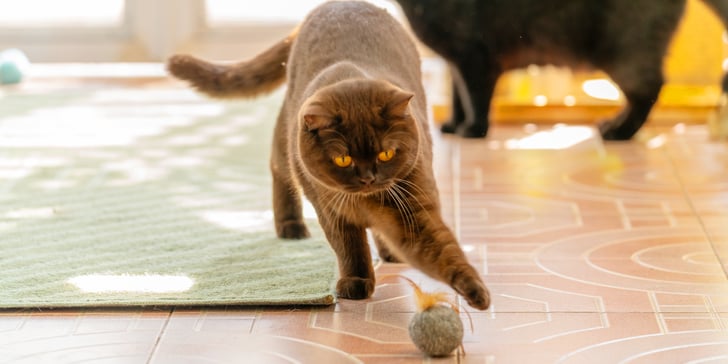
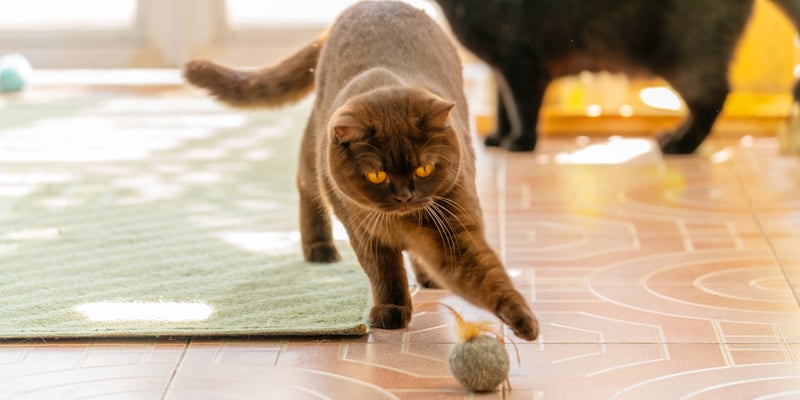
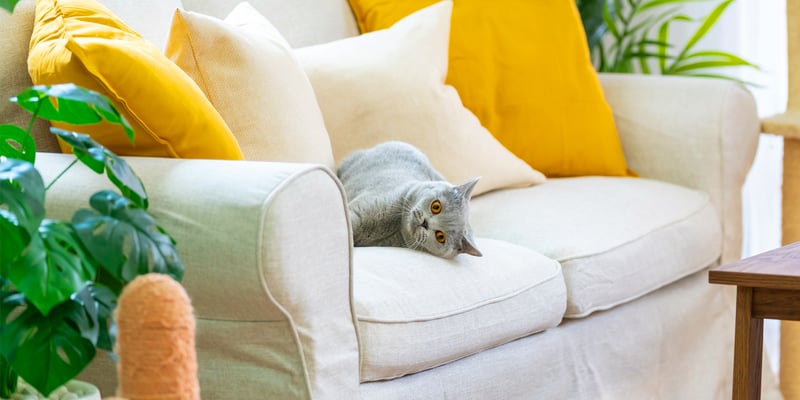
British Shorthairs have a charm that is hard to explain until one follows you from room to room like a quiet little shadow.
Pro 1: Easygoing company that suits modern life
Many owners choose them for their steady temperament.
You will often see a wonderfully calm nature in day-to-day life.
They tend to be content with a predictable routine, a good window perch, and some play on your terms and theirs.
Are they good indoor cats?
Often, yes.
They are usually happy indoors if their needs are met, especially in flats.
The trick is keeping boredom away.
The evidence-based enrichment guidelines for cats are a strong reminder that indoor cats still need hunting-style play, vertical space, scratching options, and choice over where they rest.
If you are comparing options, this list of indoor cat breeds can help you sense-check whether this is the best match for your home.
Pro 2: Sweet without being clingy
A British Shorthair can be affectionate, just not always in the “carry me like a baby” way.
Many prefer sitting close, leaning into fuss, and following you about like your quiet supervisor.
Some are cuddly, but plenty are more “next to you” than “on you”.
This is not a flaw.
It is just their style.
Pro 3: Generally gentle around people and visitors
A large behaviour study looking at breed differences found British Shorthairs had a low probability of aggression to strangers, compared with other groups in the study (Scientific Reports study).
That does not mean every individual is a saint.
But it does support the reputation for being pretty mellow with guests when well socialised.
Pro 4: Coat care is manageable
That dense coat looks high-maintenance, but it is usually not.
A weekly brush is often enough, plus a bit more in shedding seasons.
If you want a simple routine that actually works, this cat grooming guide is a handy reference.
And yes, you do need to groom them.
Not because they are fussy, but because thick coats hold loose hair.

Cons: What can make this breed a poor fit
Every cat has quirks.
British Shorthairs just have a few that can surprise first-time owners.
Con 1: Prone to weight gain (and it sneaks up)
British Shorthairs can gain weight easily, especially if they are indoor-only and treat-led.
A recent study highlights cat obesity, and specifically notes British Shorthair susceptibility.
This is one of those “cute until it is not” problems.
Extra weight can affect joints, energy, and overall health.
Practical fix: make weight checks boring and routine
Weigh your cat regularly and track it.
Use measured meals rather than topping up a bowl all day.
If you want a clear plan, this guide to pet weight management breaks down the basics in a way most of us can stick to.
Con 2: Heart health risks & responsible ownership
Among common kidney issues, hypertrophic cardiomyopathy (HCM) is a known concern in several breeds, including British Shorthairs.
If you are considering one, it is fair to talk about it plainly and calmly.
The key is screening and staying alert to changes like reduced activity, breathing changes, or fainting episodes.
Here is a responsible, welfare-focused overview: HCM welfare implications in British Shorthairs.
Con 3: They probably won't jump up for cuddles
The same behaviour study referenced above also found British Shorthairs were less likely than some other breeds to approach humans for attention (Scientific Reports study).
So if you want a cat who demands constant fuss, you might feel a bit rejected at first.
Try not to take it personally.
They often show love by choosing to be in the same space.
And by staring at you while you work, like a tiny manager.
Con 4: Boredom if you underdo enrichment
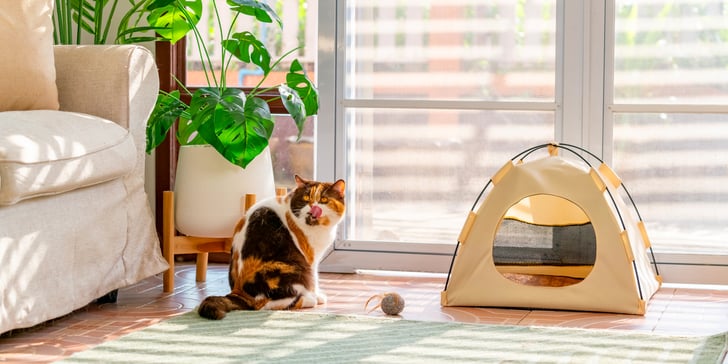
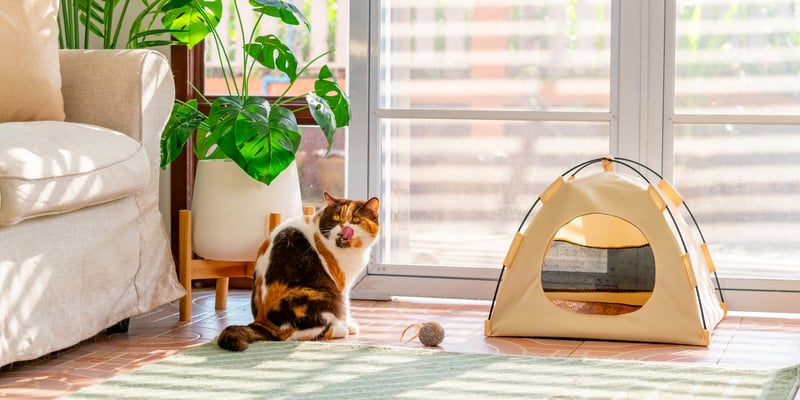
Because they can be calm, it is easy to assume they do not need much.
They do.
A dull environment can lead to overeating, grumpiness, or “creative” behaviour like furniture shredding.
Con 5: Food issues can be confusing
Most British Shorthairs do fine on standard diets, but these cats can develop sensitivities like any other.
If your cat has itching, vomiting, diarrhoea, or ear issues, speak to your vet.
We also have a helpful guide to cat food allergy symptoms to help you spot patterns or help you report issues to your vet.

The “right choice” checklist
Here is a quick table to help you decide if this is the right choice for your home.
Choosing a kitten responsibly in the UK
If you decide to go ahead, your best decision is not which colour.
It is where and who you get your cat from.
What to look for in a breeder
A good breeder will welcome questions and show proof of health testing.
Ask about heart screening, family history, and how the litter is raised.
Walk away from anyone who rushes you, will not share vet records, or will not let you see the home environment.
In practice, this is what sets apart responsible breeders from people just producing cute cats for quick sales.
Insurance: not exciting, but worth thinking about early
Vet bills can climb fast, especially if a cat develops long-term conditions.
If you want a plain-English overview, here is a solid cat insurance guide.
Also, if you have ever wondered why so many owners skip it, this explainer on why so many cats are uninsured is eye-opening.
So, is this breed right for you?
A British Shorthair can be a fantastic match if you want a gentle, steady cat with a plush look and a low-drama household presence.
They are not the best fit if your dream cat is permanently glued to your lap, or if you do not want to manage weight and enrichment.
If you do it right, you get a companion who feels like a calm little part of the family.
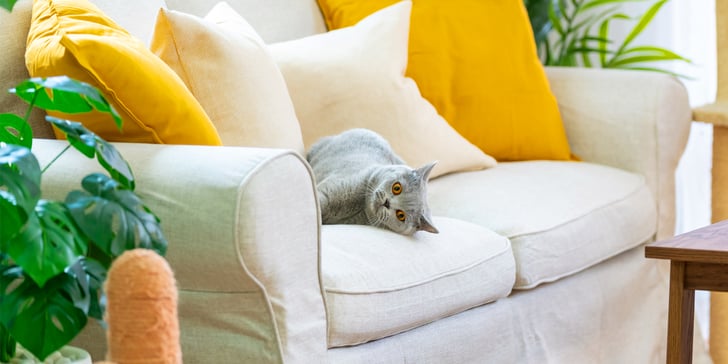
And who will absolutely judge your life choices from the sofa, but only a bit.

Want more like this?
Get updates from us with helpful info, advice, answers to frequently asked questions and much more.
Get your quote
Along with our excellent coverage, we offer access to a 24/7 online vet to answer all your sticky questions.