Summary
Index
Introduction
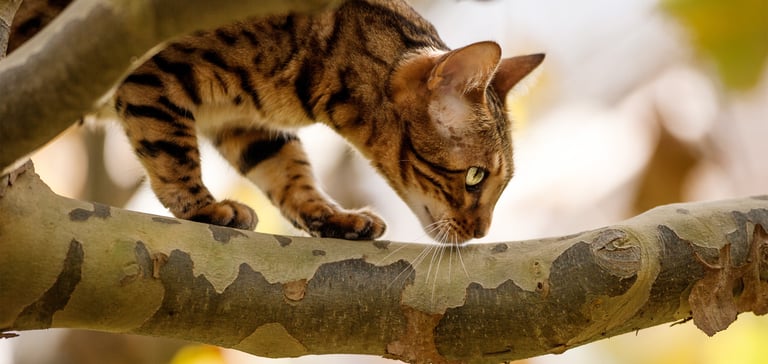
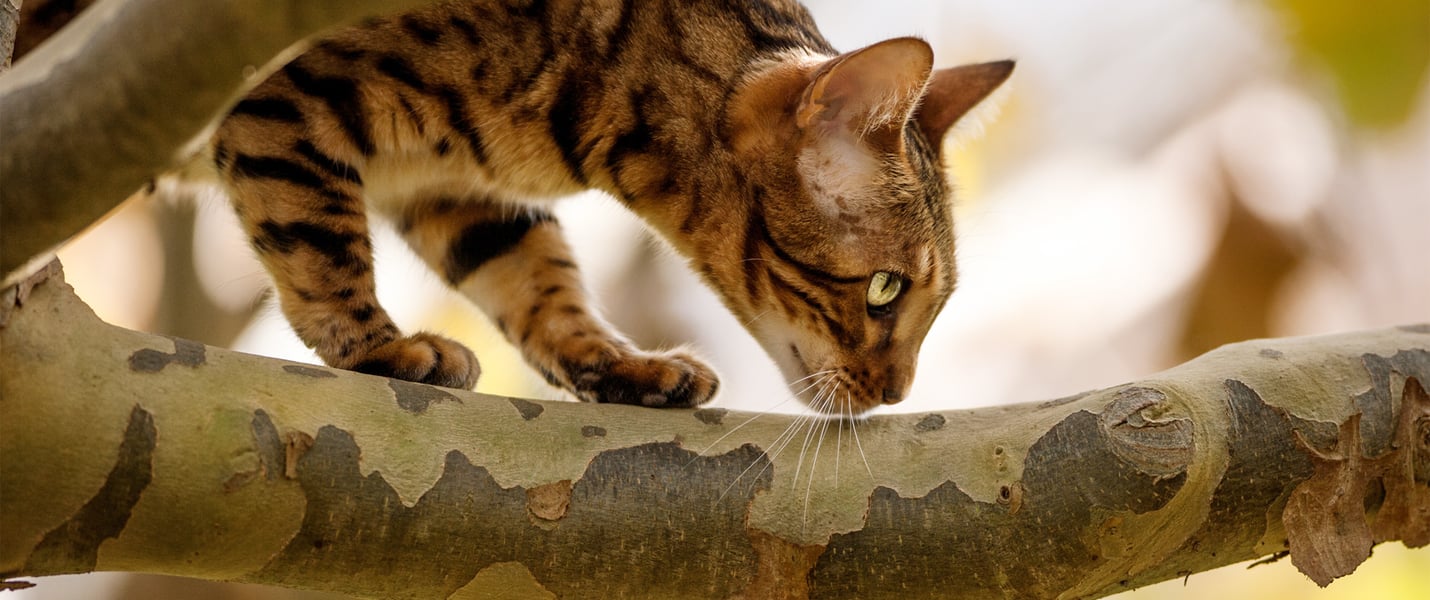
The Bengal cat began as a planned cross between a domestic cat and the Asian Leopard cat. It was then refined over generations into the spotted companion we recognise today.
This short version is simple, but the full story is full of twists, big personalities, and a few hard truths about living with “wild-looking” pets.
Key takeaways
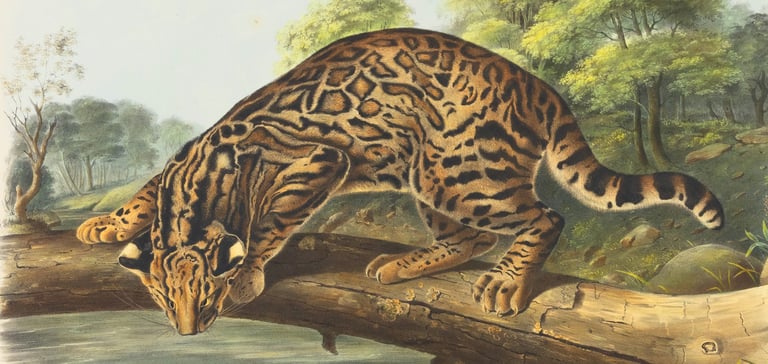
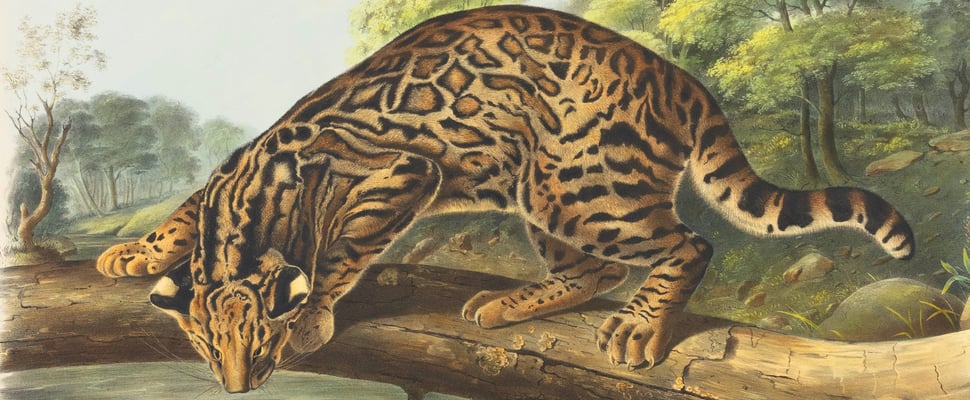
The Bengal’s wild look comes from the Prionailurus Bengalensis ancestry, but today’s pets are many generations removed.
Early Bengals were considered a hybrid, which brings extra welfare and ownership considerations. Jean Mill is widely credited with shaping the modern lines and getting the cats into registries.
Early-generation Bengals can be more demanding than the average cat, so choosing the right seller matters.
There are real health pros and cons, including a hypertrophic cardiomyopathy risk in the population.
Origins: a spotted beauty is born
People have been fascinated by wild cats as pets for a long time, and the urge to “bottle” a wild look in a home-friendly animal helped set the stage for the Bengal.
The idea behind the Bengal was to create a cat with a leopard-style coat, but a temperament suitable for family life.
Early on, Bengals were classed as a hybrid because they started as wild and domestic cats crossed together. That classification matters, because welfare needs and behaviour can be different in early generations.
It is worth reading “The Cat Group statement on hybrid cats” for a clear, welfare-led explanation of why early-generation hybrid cats need careful thought.
What does “hybrid” mean here, in plain English?
It means a deliberate cross between a wild cat species and a house cat, at least in the first generations.
Veterinary groups have cautioned that early-generation hybrids can come with unpredictable behaviour and specific care challenges, which is why “generation” language exists in the first place. See the “AAFP position statement on hybrid cats (PDF)” for a professional overview of early-generation issues.
How the Bengal breed started (and who was involved)
The history of the Bengal cat includes several early experiments and dead ends, but most sources agree the modern development took shape in the United States and accelerated from the 1960s into the 1980s.
Wikipedia’s summary reflects the broad consensus: the Bengal was created by crossing the Asian Leopard cat with domestic cats, and the breed name comes from the leopard cat’s scientific name (Wikipedia).
The key names you’ll see in the origin story
A few figures come up again and again:
Jean Mill (also known as Jean Sugden Mill) is commonly credited with developing what people now call the modern Bengal and pushing for official recognition.
Willard Centerwall ran research that involved Asian Leopard cat crosses, and some early females later fed into breeding efforts described in multiple histories.
Engler (Bill Engler) is often mentioned in relation to early hybridising work and the Bengal name, though modern lines are generally not traced back to his cats, per detailed historical write-ups and summaries.
This early period is also tied to the wider world of cat fanciers and organised showing, where new lines get noticed, debated, and eventually standardised.
Early generations and the “F” labels: why they exist
If you have ever seen a breeder advertise an “F-something” Bengal, it refers to the distance from the original Asian Leopard cat ancestor.
The early generations are often called “foundation” cats. For example, F1, F2 and F3 are considered early generations, and males in early generations are frequently infertile, shaping how lines were continued.
What “F1” can mean for your home
Early-generation Bengals can be more intense.
They may be more sensitive, more reactive, and harder to predict compared with later-generation Bengals bred consistently as pets.
UK welfare discussion also flags broader concerns around extreme and emergent breeding trends, including welfare impacts and management challenges. For a UK-focused evidence base, see the “Animal Welfare Committee opinion on feline breeding practices”.
Recognition, registries, and how a “new” breed becomes official
A new breed does not become official just because it looks impressive on Instagram.
It needs consistent type, predictable traits, and a written standard, plus registry acceptance. Bengal cats were accepted as a “new breed” by The International Cat Association in 1986, and later gained championship status in 1991. That’s a big milestone, because it formalises how cats are judged and bred.
TICA, CFA, and the breed standard
Registries are part rulebook, part gatekeeper.
TICA is a major registry in the Bengal story, tied to early acceptance and championship recognition.
CFA accepted the Bengal into its system much later, and Wikipedia notes generation restrictions for eligibility.
A formal breed standard defines what judges look for in a cat show, from body shape to coat pattern.
The coat: spots, rosettes, marbling, and why people fall in love
Let’s be honest.
Most people meet a Bengal and think: “How is that a house cat?”
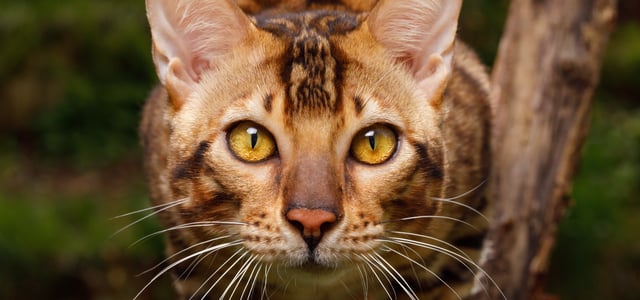
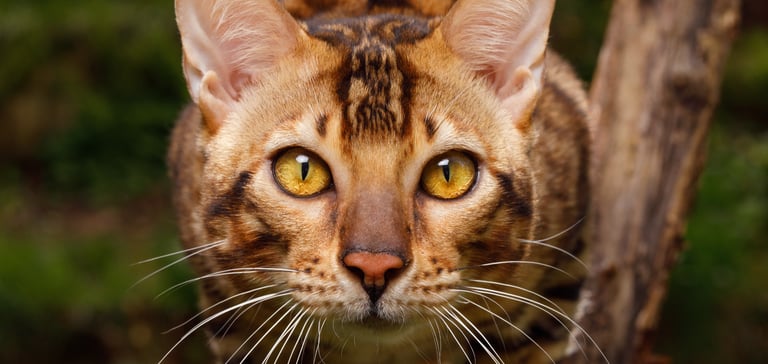
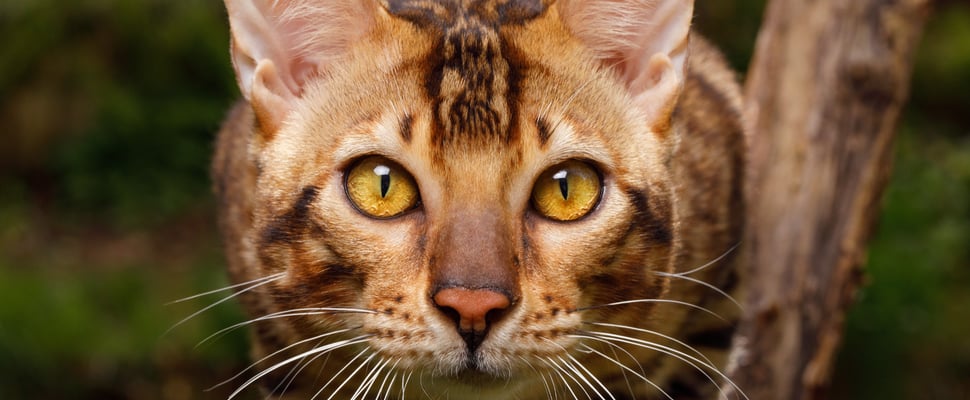
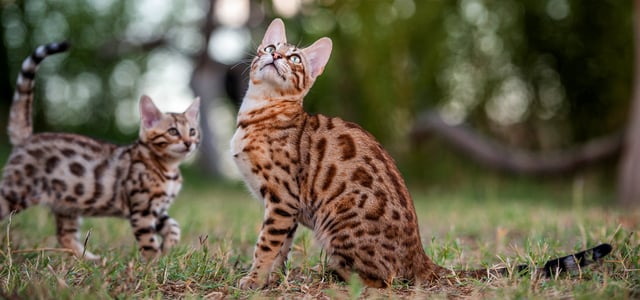
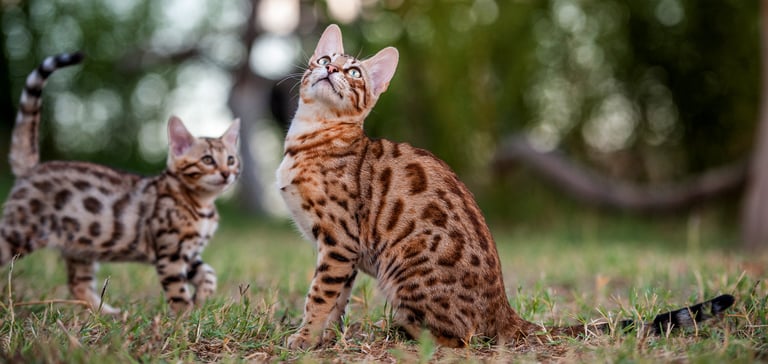
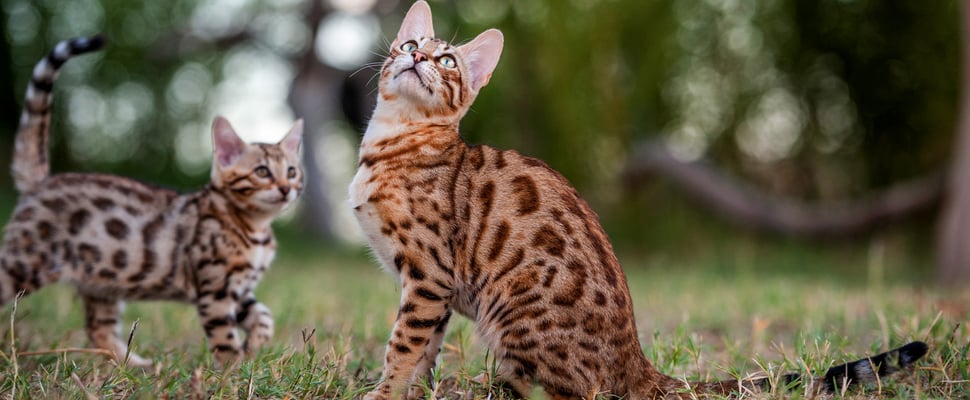
That wow factor comes down to pattern and contrast. Bengals can show strong patterning, including spotted coats, rosettes, and swirling “marble” styles.
Markings people often mix up
Here are the terms you will hear from a good breeder:
If you want a practical guide to living with this breed day to day, this Bengal cat breed guide is a helpful next step.
Pros and cons
A Bengal can be brilliant.
A Bengal can also be… a lot, especially if your idea of a perfect evening is a quiet lap cat and a cup of tea that stays on the table.
Pros
Athletic, clever, and very interactive
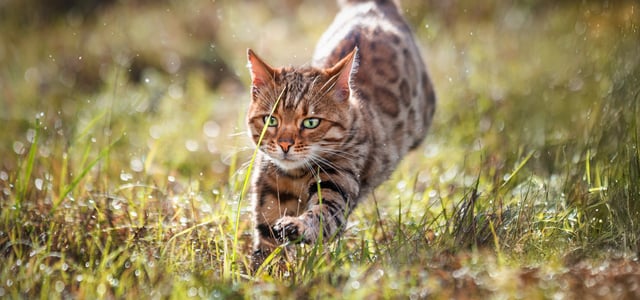
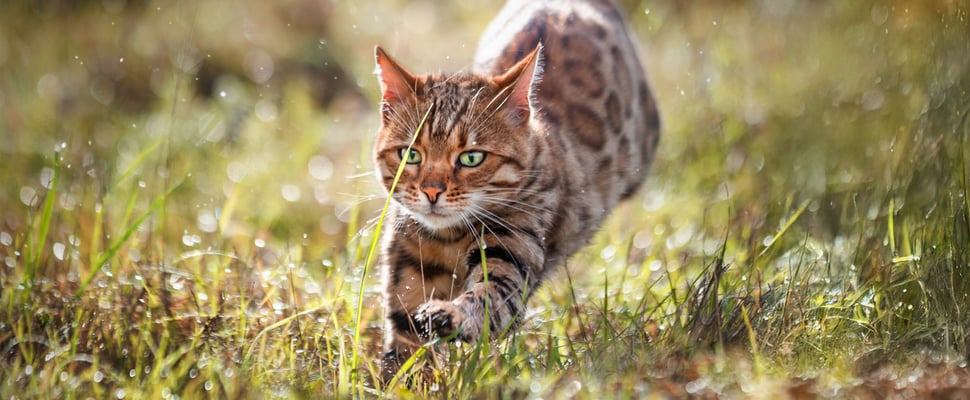
Bengals are often energetic and engaged, and many owners love the “dog-like” follow-you-around vibe some cats develop (your mileage may vary, and your curtains may not forgive you).
A striking look without owning a small wild species
For many people, the Bengal scratches the “mini leopard” itch without keeping a small wild cat as a pet.
Cons
High needs can lead to boredom problems
If you do not provide enrichment, some Bengals will invent their own hobbies, like turning cupboard doors into percussion instruments at 3am.
Health considerations exist
Like any breed of cat, Bengals have known health issues in the population. One of the big ones discussed is hypertrophic cardiomyopathy, a condition which must be monitored and treated by a vet.
Insurance can be your best friend in situations like this so for costs and cover options, this cat insurance guide is a solid place to start.
Ethics and welfare questions around hybrid origins
Even if your pet is many generations removed, the history matters. It is a reminder to support responsible cat breeding and to avoid sellers producing cats too close to wild ancestry without strong welfare safeguards.
Choosing a Bengal responsibly
If you are considering a Bengal cat breed, put as much effort into choosing the right seller as you do into choosing the pattern.
What to look for in Bengal breeders
Good Bengal breeders should be open about:
Health screening and veterinary relationships
Socialisation methods (handling, household noise, visitors)
What generation the cat is, and what that means
Whether the cat is sold as a pet only, with a neuter agreement
What support they offer after sale
Also, remember you are not just buying a kitten. You are buying 12 to 16 plus years of food, vets, and the occasional “why are you like this?” moment aimed lovingly at your cheeky pet.
Where Bengals fit in the wider cat world
Bengals feel unique, but they sit within the bigger landscape of popular and unusual cats.
If you like discovering standout felines, this roundup of rare cat breeds is a fun read. And if you’re weighing up a Bengal against more familiar choices, it helps to see what’s common locally, like this overview of the most common cat breeds in the UK.
Frequently asked questions
Is a Bengal still a hybrid today?
Most pet Bengals are several generations removed from the Asian Leopard cat ancestor, but the breed’s origin is hybrid. Early-generation hybrids are where most welfare and unpredictability concerns sit, which is why reputable sellers talk about generations and temperament, not just coat photos.
Are Bengals recognised by major registries?
Yes. Wikipedia notes acceptance milestones with TICA and later inclusion with CFA, with specific generation requirements in some contexts (Wikipedia).
What made the Bengal “stick” as a breed?
A focused breeding program, consistent selection for temperament and type, and formal registry recognition helped stabilise the bengal breed so it became a reliable companion animal rather than a one-off cross.

From everyday questions to expert advice, we’ll help you feel confident in every moment of pet parenthood.
Less stress, more love.
Along with our excellent coverage, we offer access to a 24/7 online vet to answer all your sticky questions.