Summary
Index
Beagle colours
Beagles come in a cheerful mix of shades and spots. Their colours tell stories about genetics, age, and selective breeding for show rules.
In this guide, we explain how to spot each shade, how patterns change as your dog grows, and what counts at shows.
We also link to helpful resources if you want to learn more or compare breeds.
Key takeaways
Beagles can wear many shades and patterns, with several accepted by official breed standards.
Puppy colours often soften as the Beagle matures, so patience helps.
Some colours are common, while others are incredibly rare or not accepted for shows.
Good pigmentation matters for health and correct appearance.
Choose ethical Beagle breeders who prioritise welfare over novelty colours.
Kennel clubs and standard Beagle colours
For official details on accepted colours, see the UK Kennel Club and the American Kennel Club. We reference both to support accuracy.
UK standard: UK Kennel Club – Beagle breed standard
US reference: American Kennel Club – Beagle appearance and coat
Common and beloved Beagle colours
Let's walk through the shades you will see most often on a Beagle. We will also note any quirks, including the parts that may shift as your Beagle matures.
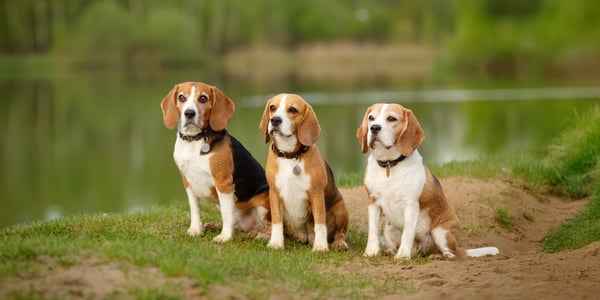
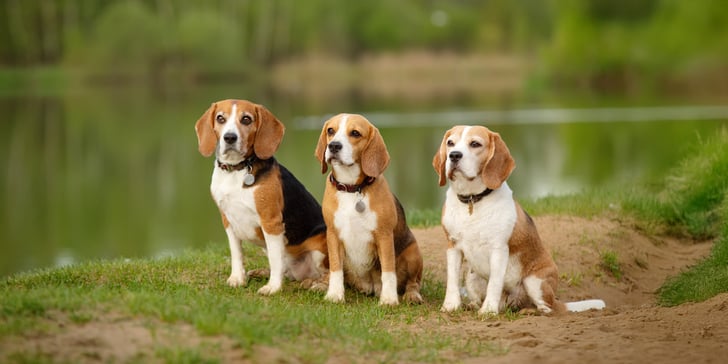
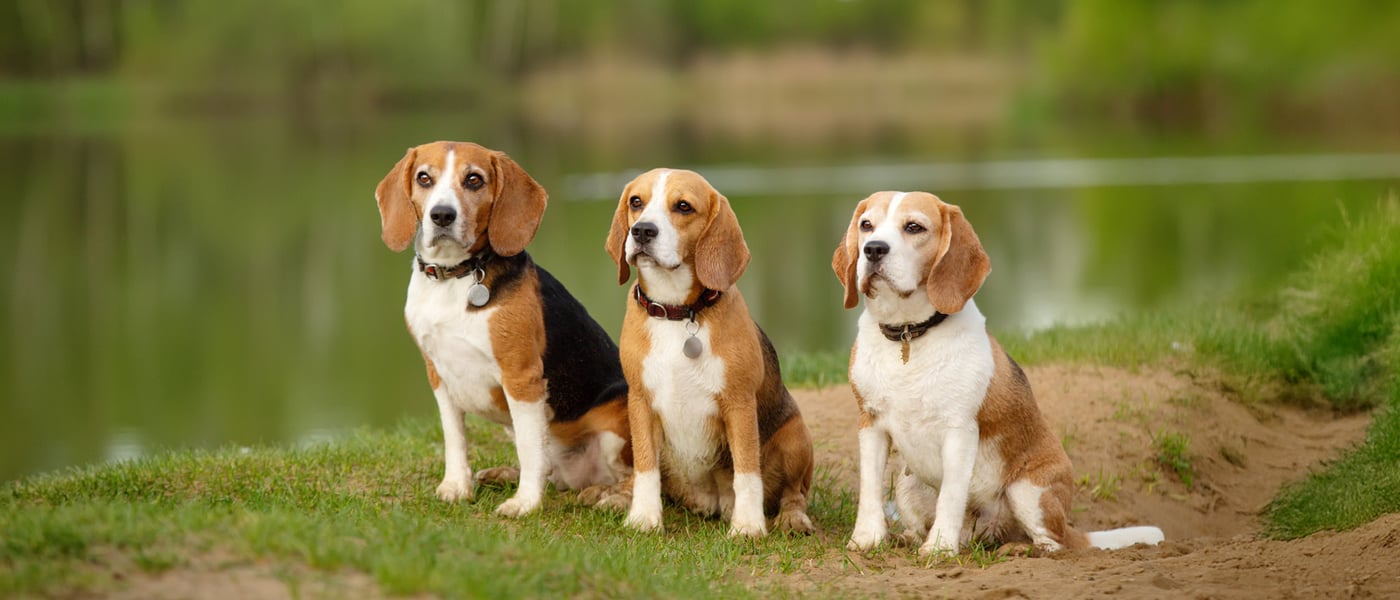
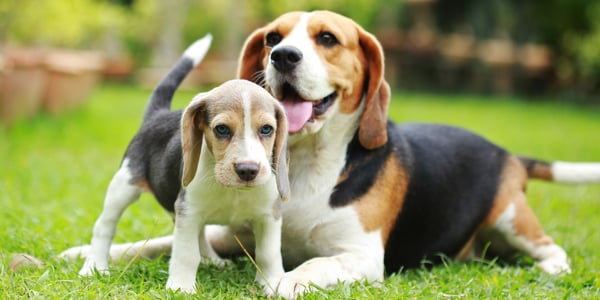
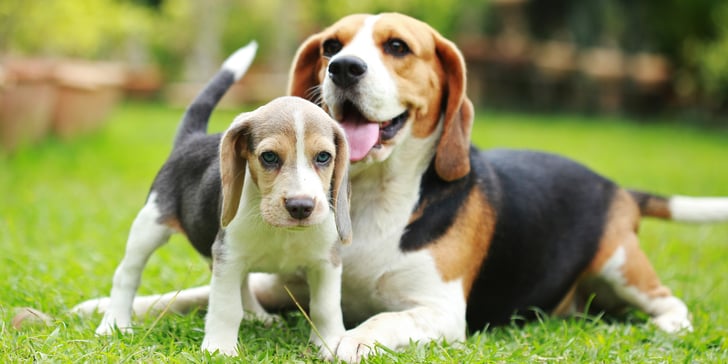
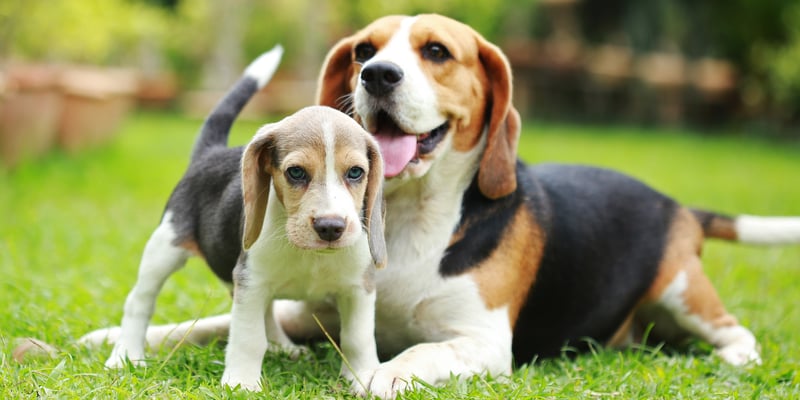
The classic three-colour look is the tricolor Beagle or tri Beagle, which often shows a large black blanket on the back. This black area can reduce over time.
Many owners love the tan Beagle look within tri, or the lighter pairs like tan and white and red and white.
A lemon Beagle is a special favourite. The pale patches may start as light tan or cream and deepen slowly, sometimes forming lemon patches.
Some lines show ticking. The bluetick style may read as cool slate spots, while blue ticked coats can look like soft freckling on the white base and white areas. Rarely, fans mention true blue, sometimes referred to as silver, which is a tone discussion rather than a separate rule.
You might also see the two-colour black and tan or brown and white. A few people online have shown images of their red Beagles, chocolate Beagles, or even solid-colored Beagles, though fully one color coats are extremely rare and often fall into non-standard Beagle territory for shows.
Curious about Beagle coats and upkeep? Our guide on shedding is here: Do Beagles shed?



How Beagle colours change from puppy to adult
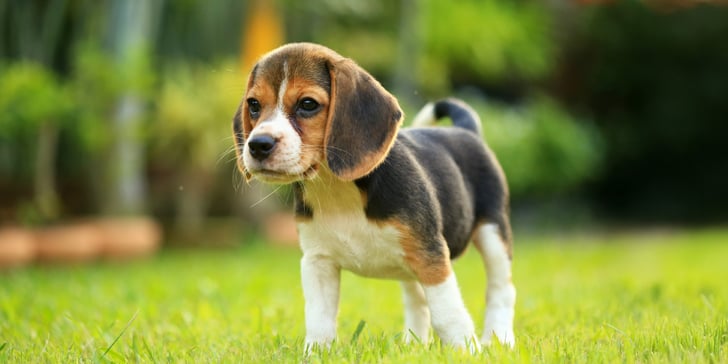
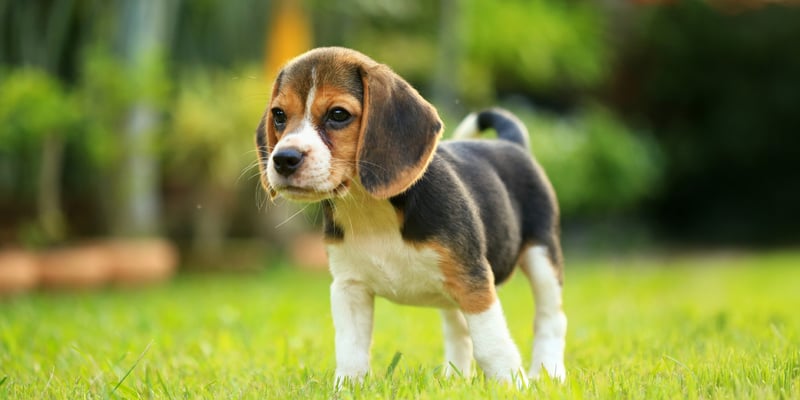
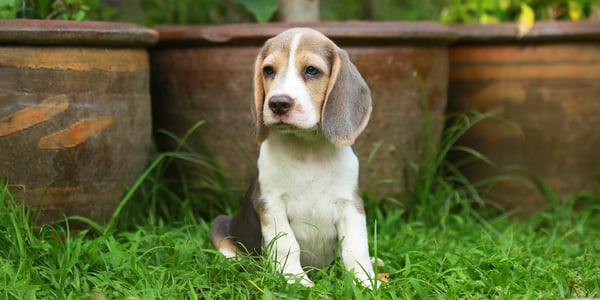
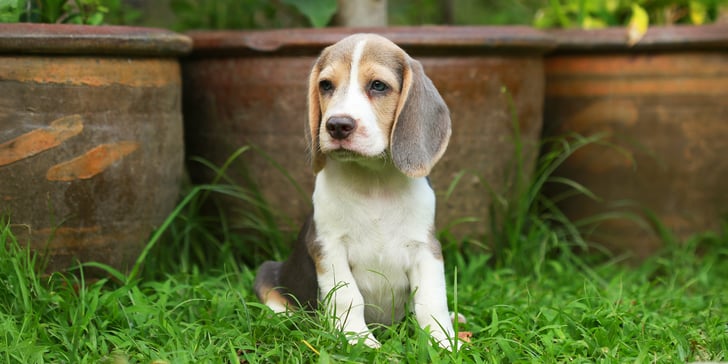
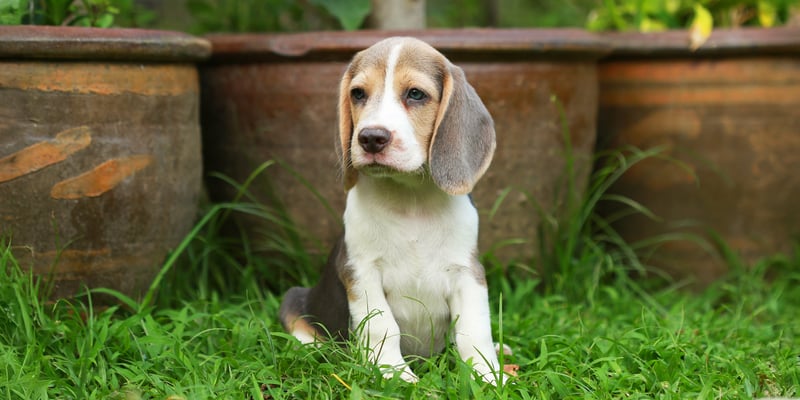
The Beagle's colouring is a journey. A puppy often looks different at 12 weeks than at 12 months. Many pups are born black over white, or even born black and white, with the tan developing later.
As the Beagle puppy grows, you may notice the colours shift and dilute. This can lead to diluted black appearing more charcoal than jet.
The white coat can gain ticking or deepen in cream zones.
A dog that looked pure white in places may reveal faint shading with age.
Pigment matters. Healthy pigmentation around the nose and eye rims supports the correct look and skin health.
Some pups settle into light brown or light tan tones, especially in lemon or fawn lines.
Owners often ask about full white dogs. A white Beagle or pure white Beagle is not standard for shows. It may signal a lack of pigment. Ethical advice is to focus on welfare and function, not novelty.
Want a bit of fun reading while you wait for coat changes? Try 10 interesting facts about Beagles.
What counts as a 'correct' Beagle colour?
We want you to feel confident when you look at your dog’s coat. In official language, every breed has a breed standard that lists accepted shades and patterns for shows.
The Beagle sits in the hound group and many pet owners like to learn the colour terms that judges use.
The UK guide outlines accepted shades and marking styles. Think of it as a map of what is fine at a dog show.
The American reference helps you compare possible colours and how they appear on a Beagle’s coat.
Below is a friendly colours overview to help you match terms with what you see:
We also look at details like white markings, black markings, and eye rims. These join together with the base color and base coat to make the overall colour combination. On the move, a Beagle’s tail should show a white tip at the tip of the tail so you can see your dog in cover.
For a full profile beyond colours, see our Beagle breed guide.
If you enjoy comparing looks across breeds, have a look at dogs with long ears and then contrast with dog breeds with pointy ears. It is a fun visual exercise.
Rare colours and what to know
Now and then, colour chatter goes viral. New owners hear claims about special shades or mini sizes. Here's a few notes to keep your dog safe and to keep expectations realistic:
Claims of very unusual hues are often overstated. Some tones can be incredibly rare in practice.
Some lines advertise pocket Beagles along with unusual colours. Tiny size and novelty shades can pair with health risks, so take care.
People sometimes chase unique Beagle colors, but good health, sound structure, and steady temperament matter more than shade alone.
Our general view is simple. Choose a healthy pup from Beagle breeders who test and socialise well. Fancy colours should never come before welfare.
Thinking about how a Beagle fits with your family? Try Are Beagles good family dogs?. If you love activities, Beagles also enjoy dog sports like tracking and scent work.
Choosing a breeder and avoiding hype
A caring breeder will focus on health, stable character, and correct type over hype. They will be honest about which shades fit the ring and which do not. They will also explain how colours may soften with age.
Look for good structure, sound movement, and robust pigmentation.
Ask about parents and grandparents, including their base coat and typical colour combination.
A good mentor will explain how color terms appear in real life, not just in photos.
If you are comparing breeds, this list is helpful: Most popular dog breeds twenty-four. You will see how Beagles are similar to other scenthounds in work style, yet they keep their own charm.
We also see a lot of confusion online. Some claim all-Beige Beagles or intense blue coats. Much of this is lighting or camera filters. When in doubt, check an official standard and ask a knowledgeable club member, vet, or breeder.
Driving it home:
Beagles are most commonly known for their tricolour coats but there are also a range of other shades out there.
We all love pretty coats, but structure, health, and happy temper matter most. If a colour seems too good to be true, pause and ask for proof.
Ethical purebred Beagles should be bred for soundness first. That is how we keep the Beagle a joyful, sturdy partner for years to come.

From everyday questions to expert advice, we’ll help you feel confident in every moment of pet parenthood.
Get your quote
Along with our excellent coverage, we offer access to a 24/7 online vet to answer all your sticky questions.