Are Beagles Easy to Train? Mastering Beagle Training
Index:


Introduction
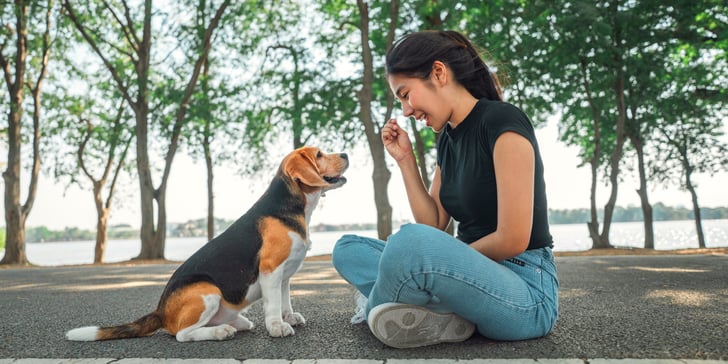
Beagles are joyful, nose-led companions who learn well when training matches their nature. If your Beagle loves chasing scents more than listening, you are not alone. With the right plan, your dog will surprise you with sharp focus and a loving heart.
Key takeaways
Beagles are scent-led and sociable. Shape training around the scent and keep sessions short.
Positive rewards work because Beagles are food motivated and playful.
Early skills, routine, and body language reading keep your dog happy and healthy.
Use tools like harnesses and long lead lines for safety and consistency.
Follow trusted guides such as the UK Kennel Club and the American Kennel Club for best practice.
See the breed’s full picture in our Beagle breed guide.
Trusted authority for context
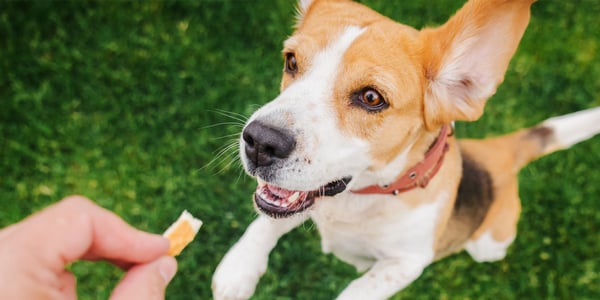
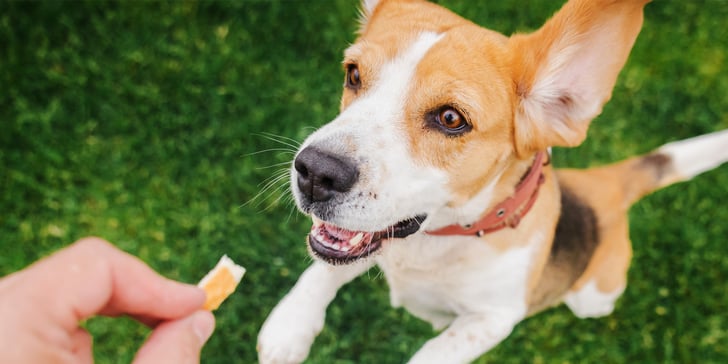
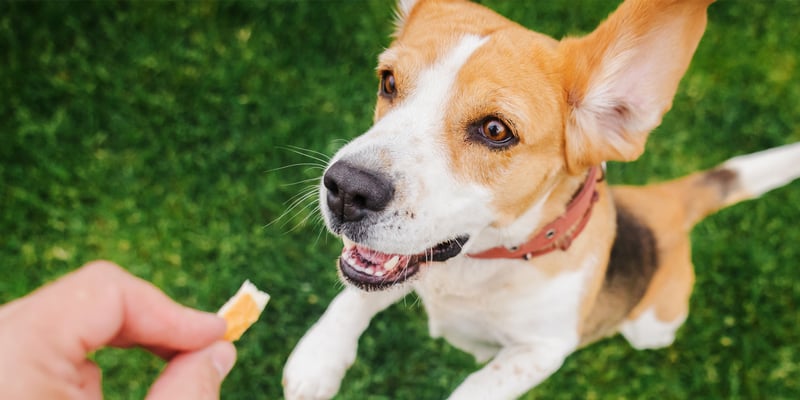
US guidance: American Kennel Club – Beagle training advice
What makes Beagles themselves in training?
Beagles are a hound with a powerhouse nose. They were bred to hunt in groups, so Beagles are hounds with a pack mindset and a huge sense of smell.
This explains why a Beagle may be easily distracted outdoors. When they catch a scent, the world fades away.
Many Beagle owners ask if the breed is difficult to train or just different. With a scent-aware training approach, they are not.
Compared with a breed such as the Border Collie, a Beagle is not built for instant compliance. Overall, Beagles are intelligent dogs who can be tricky to train.
For family fit and expectations, visit Are Beagles good family dogs?
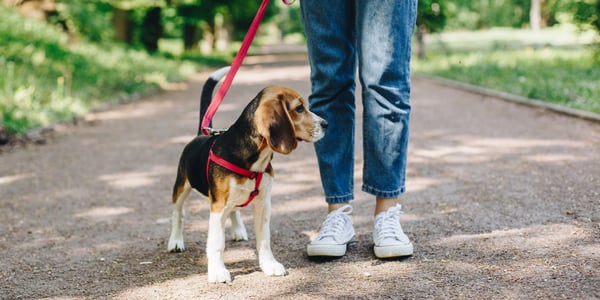
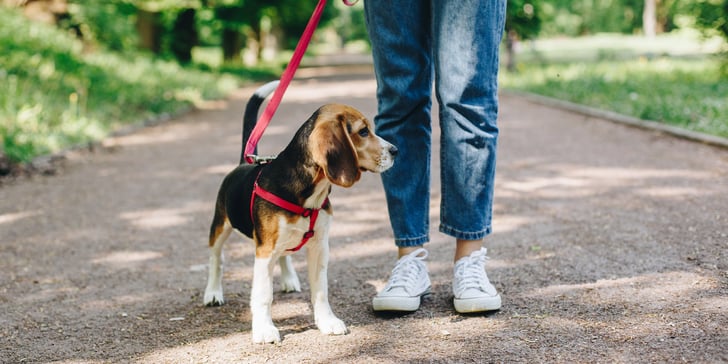
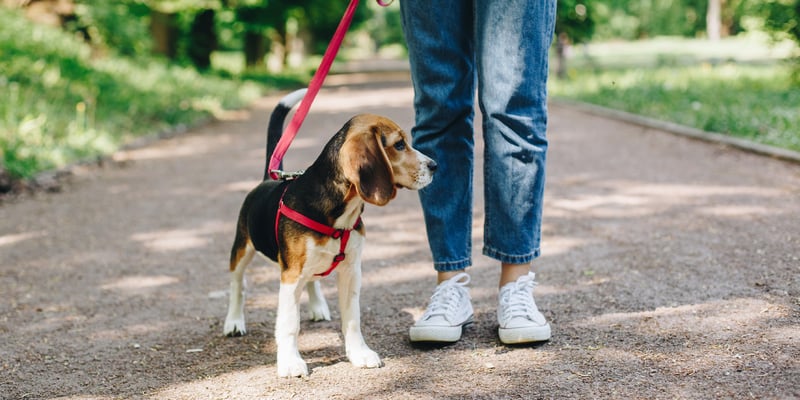
Are Beagles easy or hard to train?
Let us be honest and kind. Some Beagles feel really hard to train, especially during adolescence.
Others may feel more easy to train once you lean into how Beagles are bred to work and sniff. It depends on methods and the individual dog.
Here's a few quick tips:
Short, upbeat training sessions win.
Rewards shape choices.
Safety matters around wildlife and roads.
Start strong with your puppy
When to begin
You can start training your puppy from day one. Early puppy training keeps your Beagle happy and healthy and sets rules in a kind, clear way.
For tips on social confidence, our guide to socialising your puppy is a great place to start.
House skills that stick
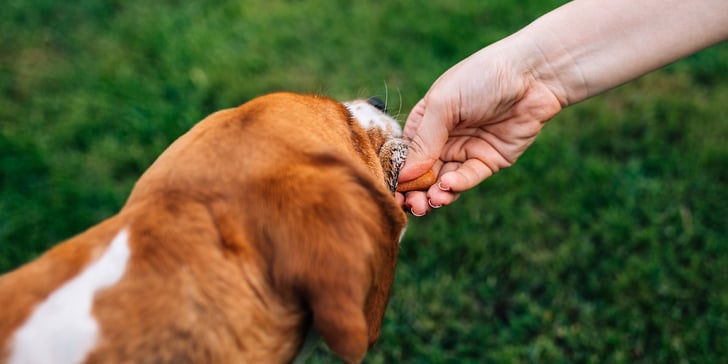
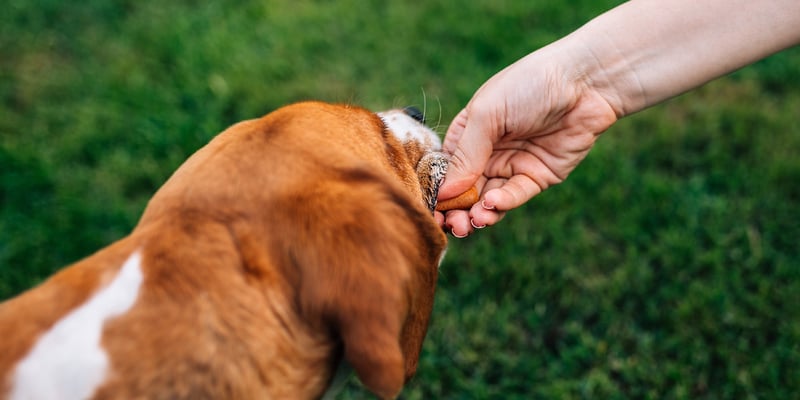
Focus on house training routines. After your Beagle goes to the bathroom, give calm praise and a treat. Keep regular times. Use an area with one scent so the pup learns the basics fast.
Core obedience
Teach basic commands with food and play. Keep training sessions five to eight minutes and repeat two or three times a day.
Use simple cues and generous rewards. A training system that is consistent will help your Beagle dog learn patterns.
Tools that help
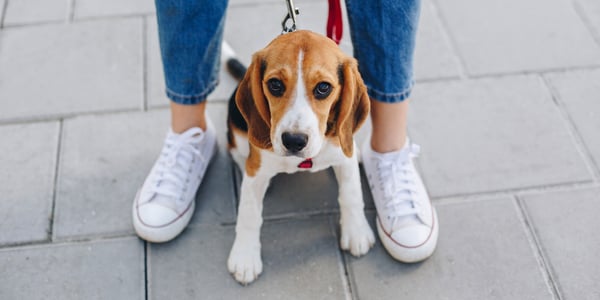
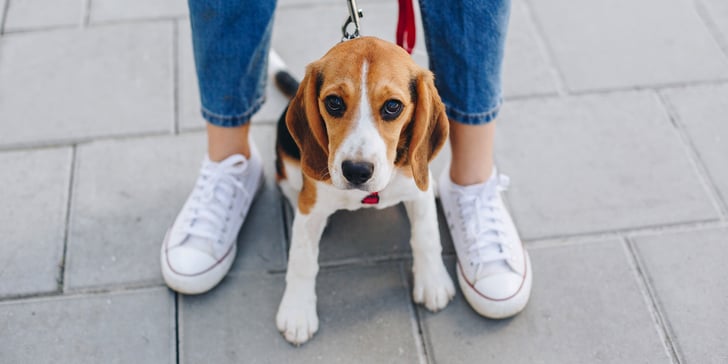
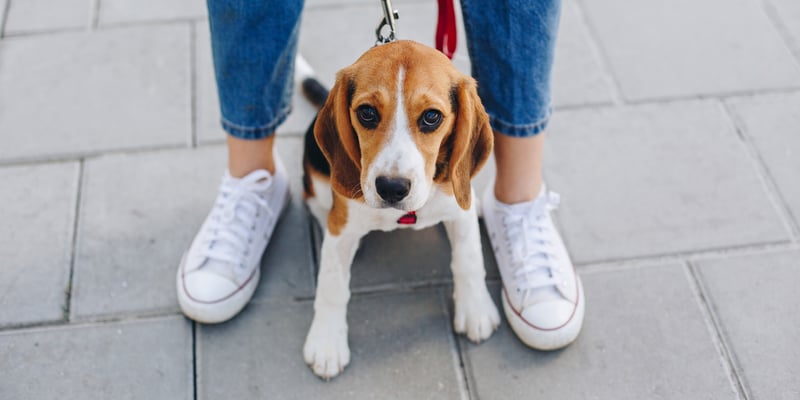
A Y‑front harness supports calm walking and protects the neck. Read why here: Dog harnesses are great for training
Tactics that work
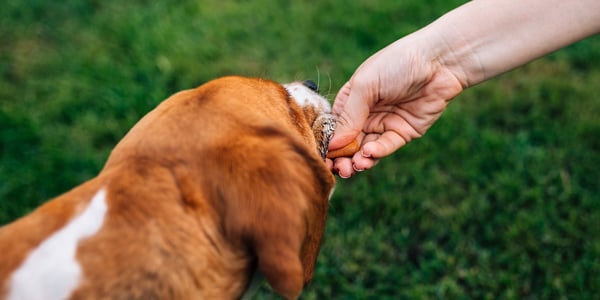
Use 'find‑it' games to channel their scent powers.
Reward check‑ins when they return to you.
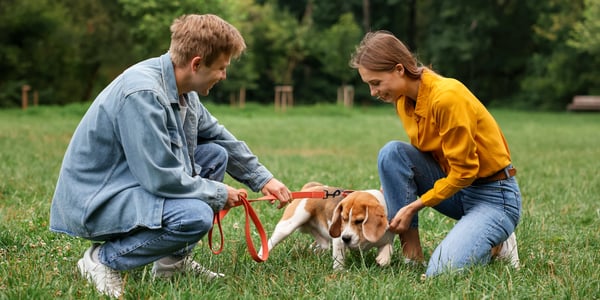
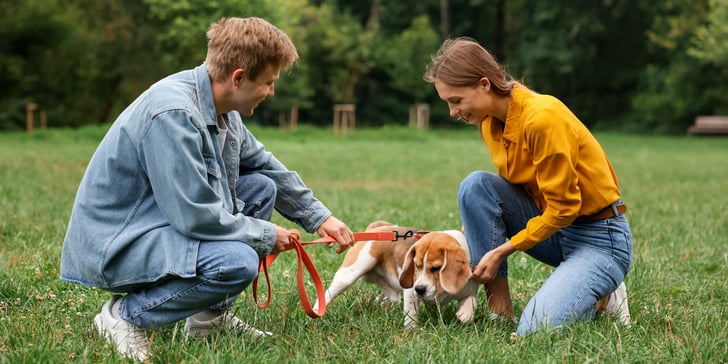
Have a long lead line in open spaces for safety.
Add sniff breaks as planned playtime.
If your dog breaks into a joyful howl, mark calm periods and reward them when quiet.
Training methods that suit Beagles
We all aim for dog training that is kind and effective. Great training methods use food, toys, and life rewards. Try these types of training:
Scent games indoors to reduce chaos outdoors.
Loose lead walking in low scent areas first.
Recall games that pay very well.
You can study ideas from dog trainers such as Ian dunbar and similar reward‑based pioneers. Choose dog training without harsh corrections, and stick to one clear training system.
Exercise and well-being shape behaviour
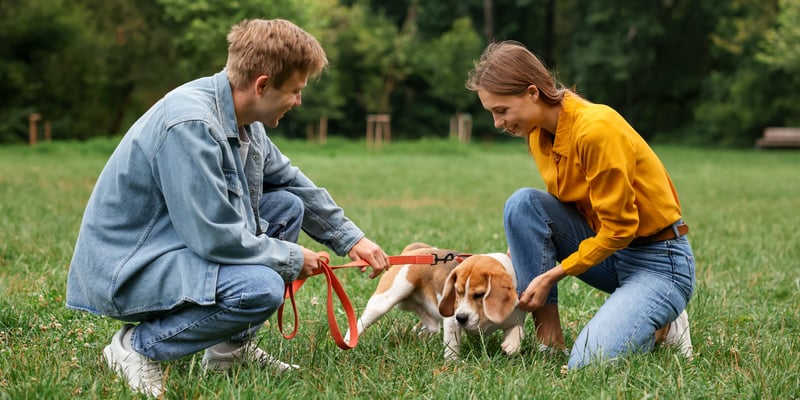
Beagles need plenty of exercise and stimulation. A tired nose is a happy one. As we have discussed, sniff walks and puzzle feeders give mental stimulation but always keep sessions fun. This helps to ensure that your dog will always be interested in their activities.
It's also important to note that you should not leave your Beagle alone for long periods. Boredom drives unwanted habits. Be planned with your care and training routine.
Health and learning
Talk to your vet about conditions that affect Beagles as these may change training needs. Seizures can appear in dogs as young as six months in some cases, so keep notes and seek help early.
Everyday table of distractions and fixes
Q&A for quick wins
Are Beagles good with other pets?
They often live well with other dogs and can suit other pets in the household with care. Always socialise early and supervise.
Are big adults tougher to teach?
A big Beagle is not harder by default. Size does not decide if a dog is harder to train. Timing and reward do.
Are Beagles bright?
Yes. Beagles are smart dogs. They are highly intelligent at scent work. They will learn basic obedience and patterns with a lot of patience and smart rewards.
What commands should I try first?
Sit, settle, leave, and recalling by name. Keep it short and positive so they will listen to your command in calm and familiar places first.
Bringing a Beagle into your life
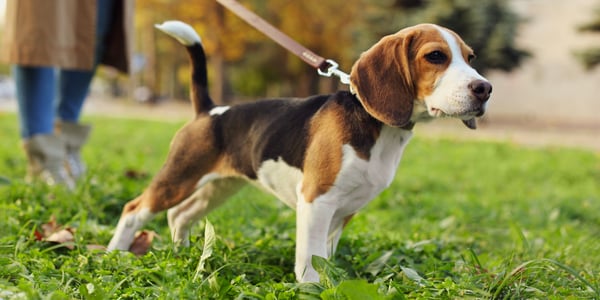
If you plan to bring a Beagle into your home, set expectations early.
Greet your new dog with routine, calm rules, and a regular feeding schedule.
Many Beagles tend to get on well with people and other pets in the household when introduced slowly.
Create a plan to teach your Beagle nose‑games each day keeps progress steady.
For a fun break during training, read 10 interesting facts about Beagles.
Simple starter plan for the week
Day 1: Kitchen recall, name game, two minutes of heel.
Day 2: Sniff walk with long line, settle on mat.
Day 3: 'Leave' cue with swaps.
Day 4: Recall between two people.
Day 5: Loose lead test with turns.
Day 6: 'Find‑it' search games indoors.
Day 7: Review wins and rest.
Beagles learn best in small steps. They need fair rules, rest, and play. Again, Beagles love nose work so build habits that make your home calm and your walks joyful.
Final thoughts
Training a Beagle is a team sport. Work with the scent, not against it, and keep rewards high and sessions short.
With patient, positive practice, your Beagle dog will master basic obedience, grow calmer on a loose lead, and check in with you even when they spot a new trail.
Be sure to blend walks with mental stimulation, use a harness for comfort, and protect routines so your puppy can predict what comes next.
Expect the odd joyful howl and have a sense of humour ready. With kind structure, plenty of play, and steady praise, you will train your Beagle into a focused, happy partner who loves learning almost as much as sniffing.
Waggel Pet Insurance
Need more help? You're in luck if you're a Waggel Pet Insurance member. Along with our excellent coverage, we offer access to a 24/7 online vet to answer all your sticky questions, especially if you need grooming assistance.
Not a member? Why not get a quote now and cover your furry friend for a range of illnesses, all while enjoying our amazing perks and rewards.

Want more like this?
Get updates from us with helpful info, advice, answers to frequently asked questions and much more.
Index:
- Introduction
- Key takeaways
- Trusted authority for context
- What makes Beagles themselves in training?
- Are Beagles easy or hard to train?
- Start strong with your puppy
- Tactics that work
- Training methods that suit Beagles
- Exercise and well-being shape behaviour
- Everyday table of distractions and fixes
- Q&A for quick wins
- Bringing a Beagle into your life
- Simple starter plan for the week
- Final thoughts
Related posts:



Get your quote
Along with our excellent coverage, we offer access to a 24/7 online vet to answer all your sticky questions.