Summary
Index
Introduction
The large, fluffy white dog recently photographed stepping off a private jet with Travis Kelce appears to be a Samoyed. However, neither Taylor Swift nor Travis has publicly confirmed the dog’s breed or whether it belongs to them, but Swifties love nothing more than to play detective so theories are swirling about the new addition to the Swift-Kelce household.
What we can say is that the mystery passenger looks very much like one of the dog world’s most recognisable breeds: a sociable, energetic working dog wrapped in enough white fur to cover several black outfits.
Key takeaways
The dog seen travelling with Travis Kelce appears to be a Samoyed, but its breed and ownership remain unconfirmed.
Samoyeds are friendly, active working dogs that need company, exercise and mental stimulation.
Their dense double coat requires serious commitment. Expect brushing, seasonal shedding and fur along the skirting boards.
Samoyeds can live successfully with cats, although careful introductions and preventing chasing are essential.
Private travel may be quieter than a commercial airport, but planes, stadiums and crowds won’t suit every dog.
What breed is the dog seen with Travis Kelce?
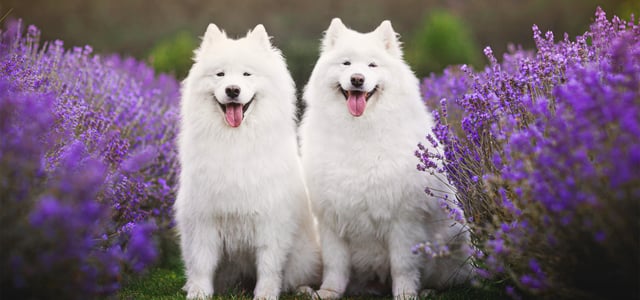
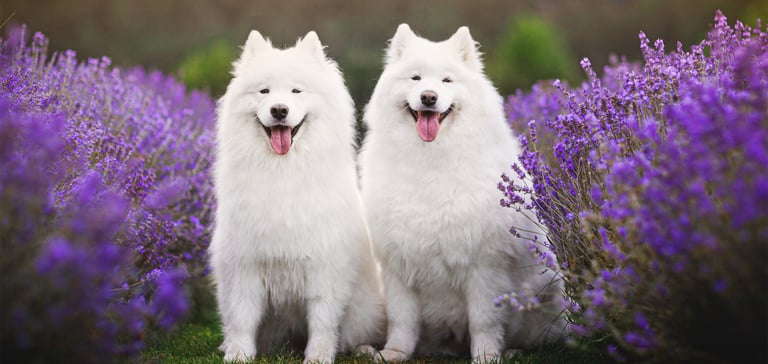
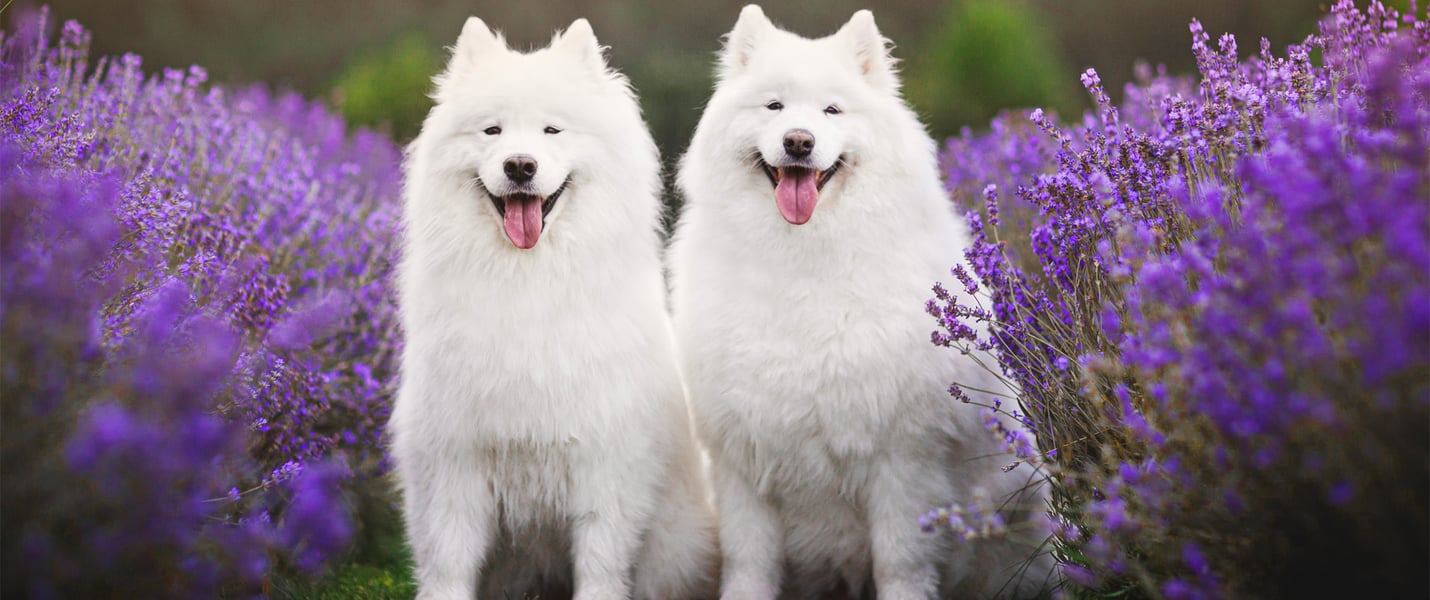
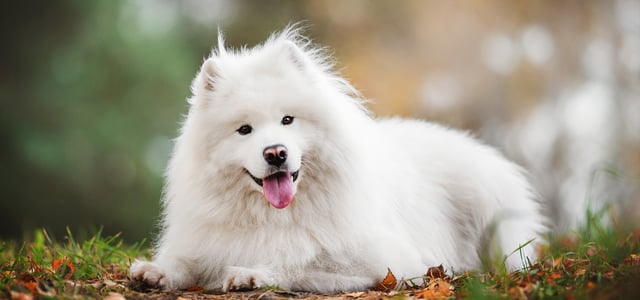
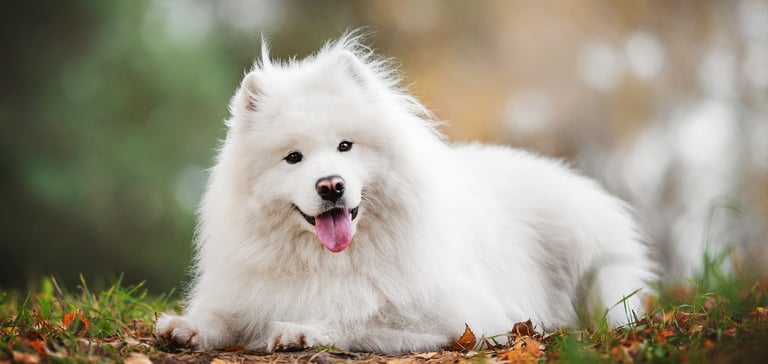
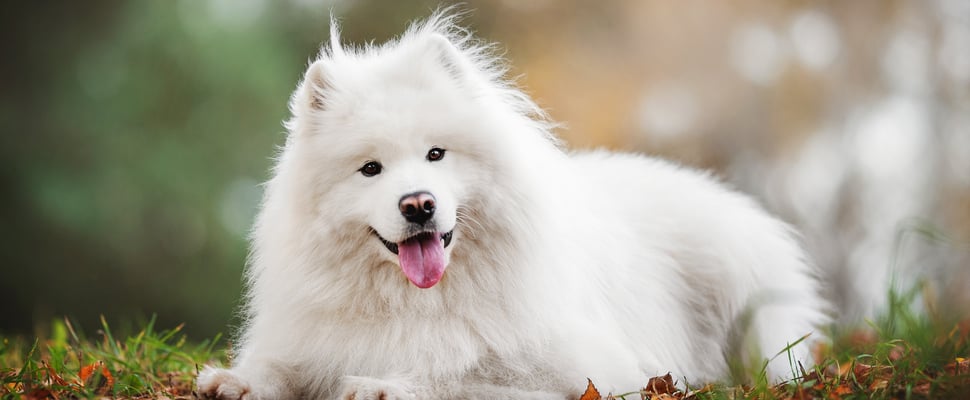
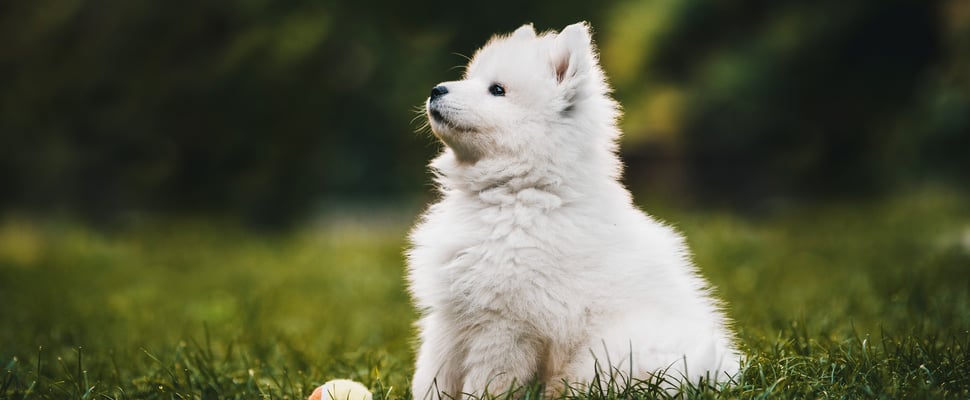
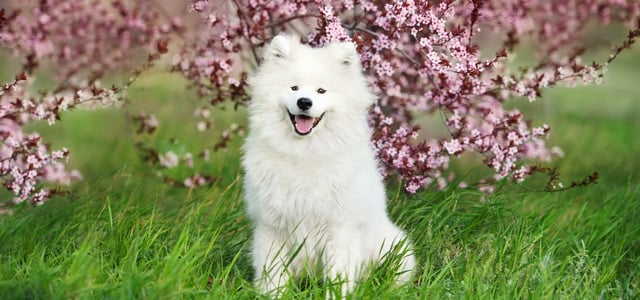
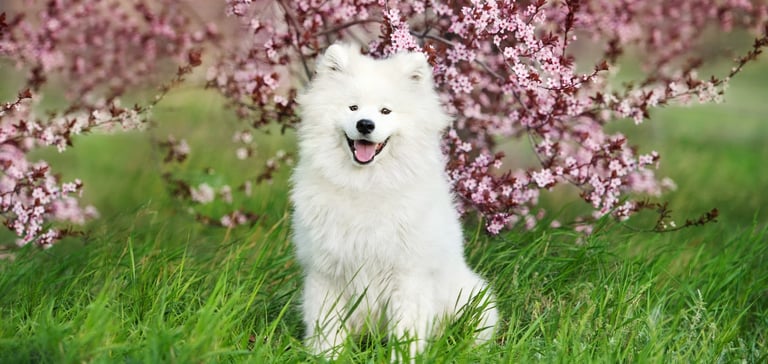
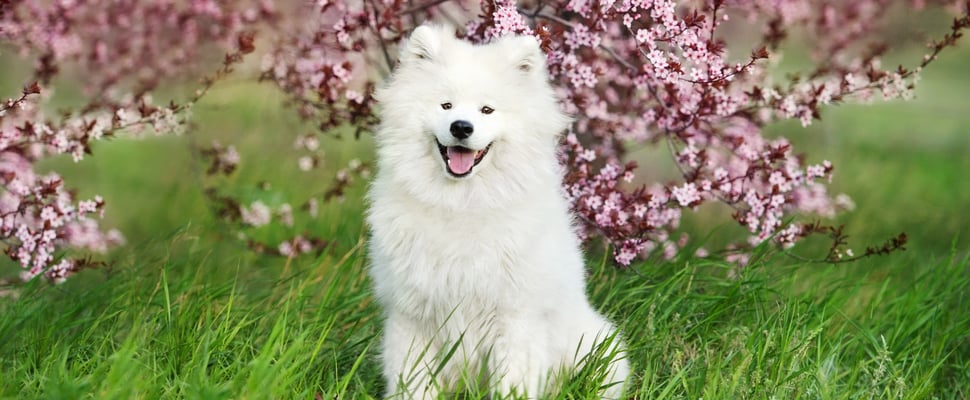
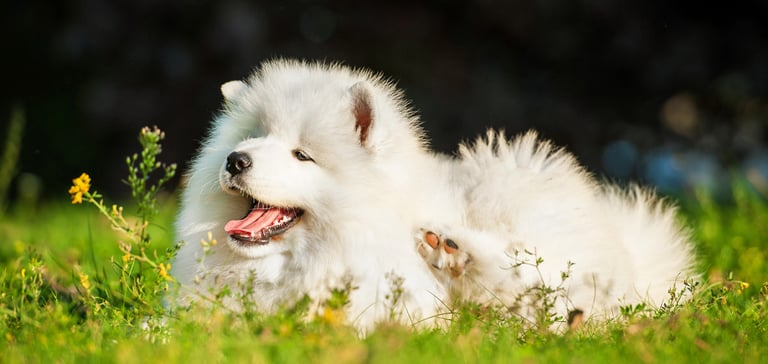
The dog photographed leaving the jet appears to be a Samoyed, with a dense white coat, triangular, upright ears, a plumed tail, and the broad, cheerful expression often described as the “Samoyed smile”.
Photographs aren’t enough to identify a dog’s breed with complete certainty, though. Other Spitz breeds and crosses can have a similar snow-white appearance, but most internet sleuths agree that the dog of choice for the newlyweds is probably a pedigree Samoyed.
What are Samoyeds like to live with?
Samoyeds were developed as working dogs in cold climates, where they pulled sledges, helped with herding and lived closely alongside people. That history still shows in the modern breed with their full coat, muscled tone and friendly nature.
Many are affectionate, playful and happiest when they’re included in whatever the household is doing. They can also be independent, vocal and quite capable of pretending they’ve never heard the word “come”.
How much exercise does a Samoyed need?
A Samoyed needs more than a quick circuit of the block - so good thing one of this dog’s owners is an NFL star. Regular walks, opportunities to sniff, training games and safe off-lead exercise can all help channel the breed’s energy.
A realistic routine might include a decent morning walk, a few short training sessions and some problem-solving at home. Food puzzles and scent games are useful on wet days, although they don’t permanently replace outdoor exercise.
A large garden is helpful but not sufficient on its own. Neither is a private plane. Dogs still need the chance to walk, investigate smells and do ordinary dog things away from the cameras.
Exercise needs vary with age, health and individual temperament, so owners should speak to their vet before starting an intense routine with a puppy or a dog with a medical condition.
Are Samoyeds difficult to train?
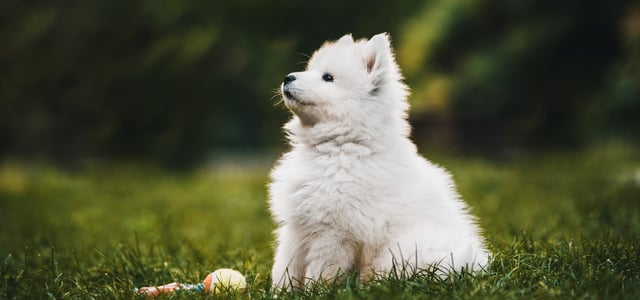
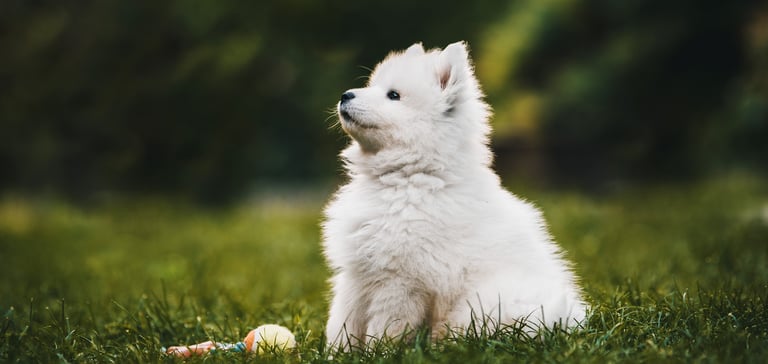
Samoyeds are clever, but cleverness doesn’t always mean obedience.
Many dogs like Samoyeds learn quickly when training is rewarding and varied, but repeating the same exercise ten times may result in a dog offering its own creative interpretation by attempt four!
“Short sessions, good rewards and consistent boundaries tend to work better than punishment or lengthy drilling. Early puppy socialisation can also help a young dog learn to cope with new people, animals, surfaces and sounds without being overwhelmed.”
How difficult is Samoyed grooming?
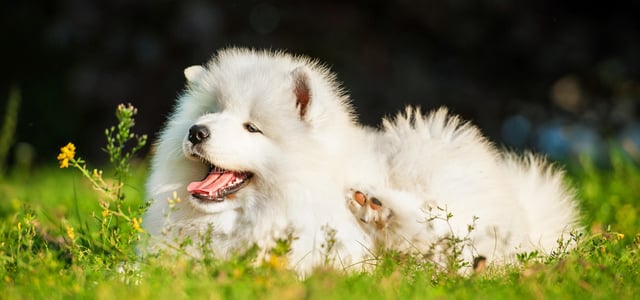
Samoyeds produce a lot of fur.
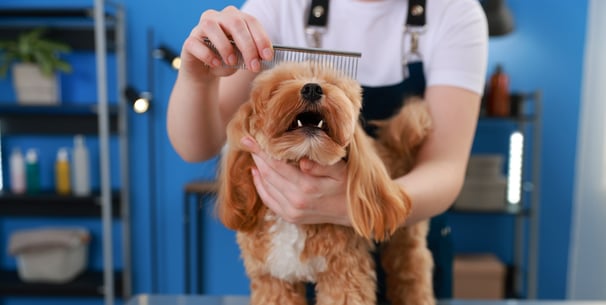
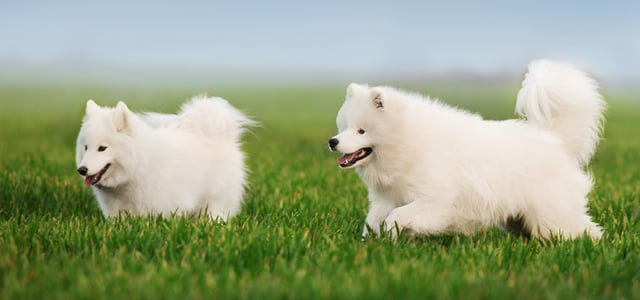
Their coat has two layers. The soft undercoat provides insulation, while the longer outer coat offers protection from the weather. Loose undercoat can gather behind the ears, around the legs and in other high-friction areas, where it may form tangles if it isn’t brushed out.
During a heavy seasonal shed, owners may finish brushing with a pile of fluff that looks capable of applying for its own microchip!
Routine shaving is generally discouraged for healthy double-coated dogs because the coat plays a role in protecting the skin and regulating temperature.
Aimee Warner, our resident vet, explains: “Samoyeds are double-coated dogs, so their fur requires regular grooming. Shaving is not recommended for double-coated dogs, so staying on top of matting and getting into a regular brushing regimen is key for their comfort and health.”
Owners struggling with matting should speak to a qualified groomer rather than trying to remove tight mats with scissors at home.
What health problems can affect Samoyeds?
Like any pedigree breed, Samoyeds may be more vulnerable to certain inherited health problems. Possible concerns include hip problems, eye disease, diabetes and some inherited kidney conditions.
Resident vet Aimee states: "Samoyeds are predisposed to joint conditions such as hip dysplasia, so maintaining a healthy body weight throughout their life can help reduce unnecessary strain on their joints. They are also at increased risk of certain inherited health conditions, including Hereditary Nephritis (a serious kidney disease), as well as diabetes mellitus and glaucoma.
While there is currently no routine screening test for juvenile nephropathy, choosing a responsible breeder who is open about the health of their breeding dogs and family lines is still important. Regular veterinary check-ups can also help detect breed-related conditions, including diabetes and glaucoma, as early as possible."
That doesn’t mean every Samoyed will develop these conditions. Responsible breeding, appropriate health testing, maintaining a healthy weight and attending regular veterinary checks can all contribute to better long-term health.
Owners should contact a vet if they notice persistent pain, stiffness, changes in thirst or urination, sight problems, unexplained weight changes or any other unusual symptoms.
Could a Samoyed live with Taylor Swift’s cats?
Potentially, yes. A Samoyed could live peacefully with Taylor’s first furry loves, Meredith Grey, Olivia Benson and Benjamin Button, but breed friendliness doesn’t guarantee a harmonious introduction.
The dog’s previous experience with cats matters, as do its prey drive, age and ability to remain calm when a cat runs. The cats’ confidence and history with dogs will shape the relationship too, but since Taylor’s mum has a dog who is regularly pictured with the gang, hopefully this won’t be an issue.
Successful introductions usually begin with separation. Let the animals become familiar with each other’s scent before arranging calm, controlled meetings through a barrier such as a baby gate. Cats should always have dog-free areas, high escape routes and separate access to food, water and litter trays.
Chasing shouldn’t be treated as harmless play. Even an enthusiastic dog can frighten or injure a cat unintentionally.
Our guide to introducing a puppy to a cat safely covers the process in more detail.
Do Samoyeds and cats share any traits?
More than their fans might expect.
Both can be expressive, particular about personal space and surprisingly vocal when dinner is late. Both may want affection entirely on their own terms. And both can leave enough fluff around the house to make a dark sofa feel like an impractical purchase.
Individual personality matters more than species stereotypes, of course. Meredith, Olivia and Benjamin haven’t yet issued a public statement on the new arrival.
Is a Samoyed suited to private jets and stadiums?
A dog can be sociable without enjoying every busy environment humans put it in. Travel and large events should be judged according to the individual dog, not the glamour of the destination.
Travelling by private jet
Private flights may avoid some of the crowds and handling associated with commercial air travel, but they still involve engine noise, unfamiliar smells, changes in routine and time spent on the airport ground.
A travelling dog needs secure restraint, water, toilet opportunities and somewhere familiar to settle. Owners also need to watch the temperature carefully, particularly with a heavily coated breed.
Some dogs experience drooling, restlessness, nausea or vomiting during journeys. Waggel’s guide to recognising and managing travel sickness in dogs explains the signs, but any medication should only be used following veterinary advice.
Attending stadiums and crowded events
Samoyeds often like people, but that doesn’t automatically make a stadium an enjoyable day out.
Amplified music, cheering crowds, flashing lights and restricted space may be too intense for many dogs. Heat can also build quickly in busy venues, particularly for breeds carrying a dense coat.
Any dog attending a controlled public event needs gradual preparation, secure handling, access to water and a clear route out. Owners should leave immediately if their dog appears overwhelmed.
Heavy panting, weakness, vomiting, confusion or collapse can be signs of a heat-related emergency. Seek urgent veterinary advice and read Waggel’s guide to recognising heatstroke in pets before travelling during warm weather.
Is a Samoyed better at singing or playing football?
Singing probably wins.
Samoyeds are famous for their vocal range, which can include barking, howling, grumbling and holding what sounds suspiciously like a full conversation. A football may provide plenty of entertainment too, although bringing it back could become the subject of contract negotiations.
Is this Taylor Swift’s first dog?
If the dog does indeed belong to Taylor Swift and Travis Kelce, it may be Swift’s first publicly known dog.
Whilst she has been spotted with her mum’s Great Dane on several occasions, Taylor was strictly a cat person before she got together with Travis.
Until Taylor or Travis confirms the dog’s identity, it could be a jointly owned pet, a dog belonging to another member of their household or simply a canine travel companion.
What this means for prospective Samoyed owners
A celebrity sighting can make a breed look instantly appealing. Samoyeds are undeniably photogenic, but the white coat is the wrapper rather than the whole package.
Before bringing one home, consider whether you can provide substantial daily exercise, regular company, patient training and frequent grooming. Think about warm-weather care, the cost of professional grooming and veterinary treatment, and how safely the dog could be introduced to existing pets.
Samoyeds can be wonderful companions in the right home. They can also be noisy, energetic and exceptionally fluffy commitments. Anyone choosing their first dog should look beyond appearance and compare the breed’s needs with their actual routine. Waggel’s guide to choosing a breed as a first-time dog owner is a useful place to start.

From everyday questions to expert advice, we’ll help you feel confident in every moment of pet parenthood.
Less stress, more love.
Along with our excellent coverage, we offer access to a 24/7 online vet to answer all your sticky questions.