The History of the English Springer Spaniel - From Field Dog to Family Favourite
Index:
Introduction
A true British original, the English Springer Spaniel started as a versatile hunting dog used to flush and retrieve game birds. They quickly became a much‑loved family companion after the English Kennel Club formally recognised the English Springer as a distinct breed in 1902. Today’s English Springer Spaniel bridges the field and the home with an easy grace.
Key takeaways
English Springer Spaniel history traces this Spaniel type back to their work on land and water, formally recognised as a distinct breed in 1902.
Early litters produced both Cocker and Springer puppies; the smaller hunted woodcock, the larger littermates would flush game.
Field lines are often field bred for work while others excel in the show ring; both follow the breed standard.
Colours include liver and white, black and white or liver, and roans like blue or liver roan with elegant feathering on the legs.
From sniffer dog success to therapy dogs, Springers’ superb sense of smell and biddability keep them busy and adored.
When was the breed recognised and why did it matter?
The Kennel Club in England codified what fanciers already knew: the springing Spaniel deserved its own place in the stud book.
In 1902, the English Kennel Club formally recognised the English Springer, separating it from the English cocker, and marking a pivotal chapter in breed history.
That decision anchored the English Springer Spaniel with a clear breed standard and path for field trial sport and the show ring.
For a broader historical context of how breeds evolve by decade, enjoy this time capsule on dog breeds that defined the decades.
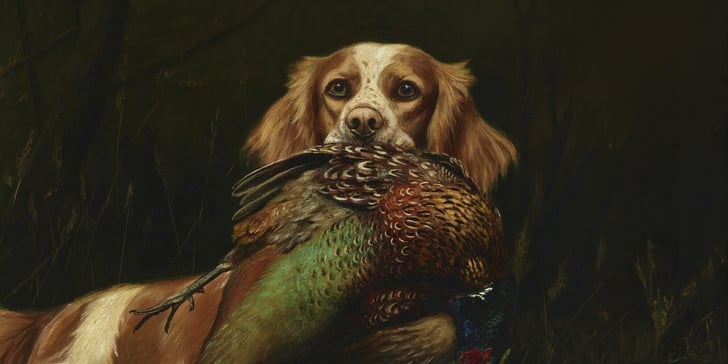
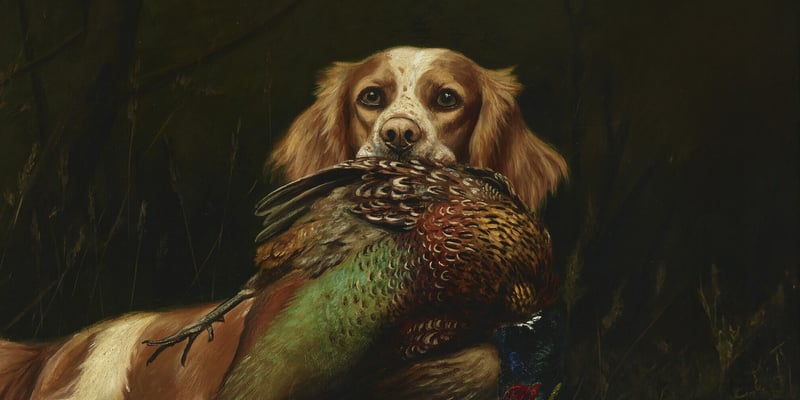
What set Springers apart in early litters?
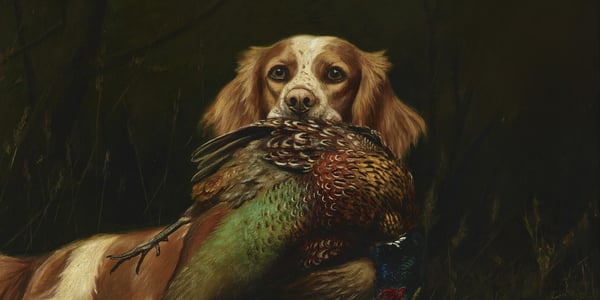
In old litter records, you’ll see both “Cocker Spaniel” and “Springer” pups side by side. The smaller Cocker was used to hunt woodcock, while the larger littermates would “spring” birds, showing how the English Springer Spaniel got its name as it would flush game.
If you are weighing up the family fit between cousins, this comparison of Cocker Spaniel vs Springer Spaniel is a handy read.
Why did working and show Springers diverge?
Early clubs and breeders built a line of English dogs suited either for the field or the bench. The Spaniel club and later the English Springer Spaniel club (the original parent club for the breed) promoted events that sharpened both appearance and performance.
In the USA, the American Kennel Club registered the first English Springer Spaniel in 1910, while a dedicated field trial association for Springers later flourished, including the Springer Spaniel Field Trial Association, known as ESFTRA. The American body remains a key breed club guiding the sport.
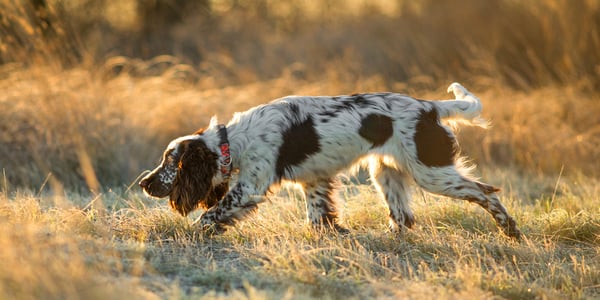
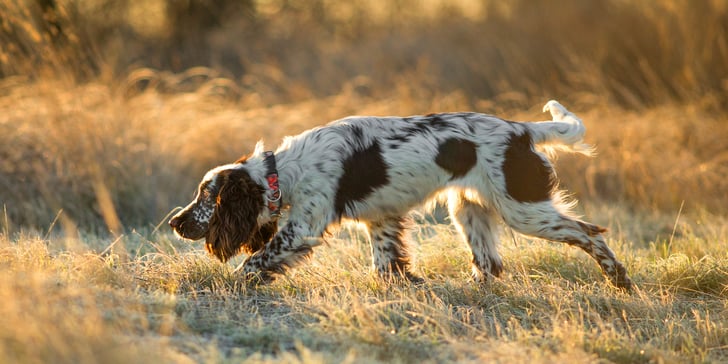
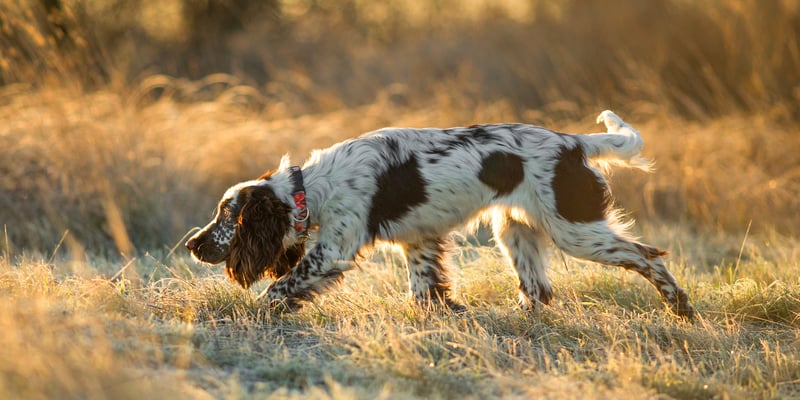
Field‑bred vs show‑bred at a glance
Curious where Springers sit among national favourites? See this UK breed snapshot of the top UK Spaniel breeds.
Which colours and patterns are typical?
Springers carry some of the prettiest spaniel coats, with the following seen in the ring and field:
Solid‑white combinations: white or liver and white, black and white or liver
Tricolours and roans: blue or liver roan, liver roan
Tan points: white with tan, tan markings, white with tan markings, liver and white with tan
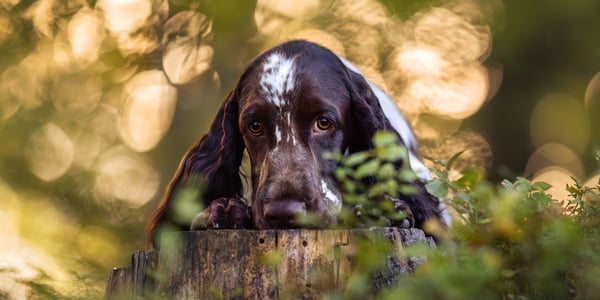
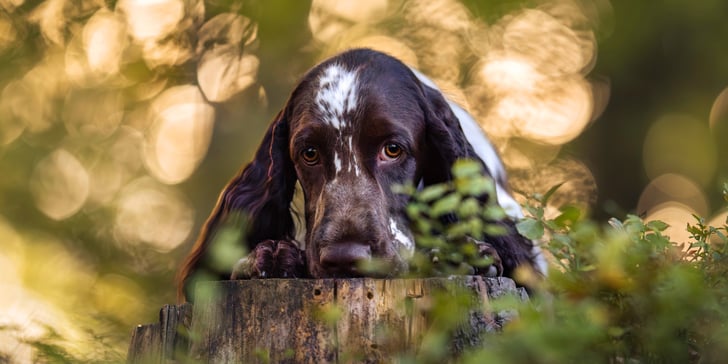
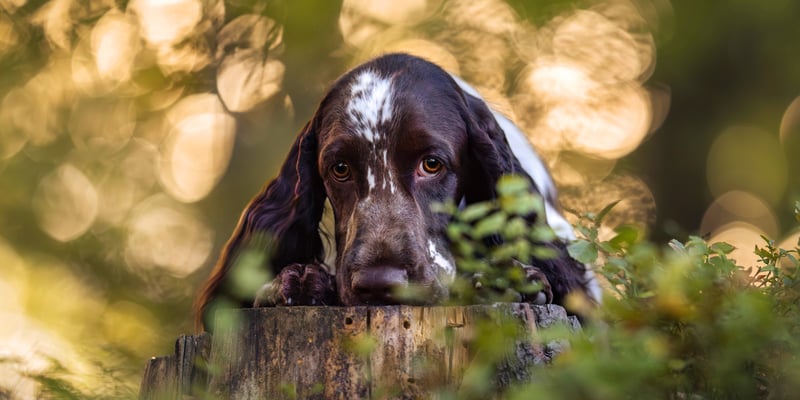
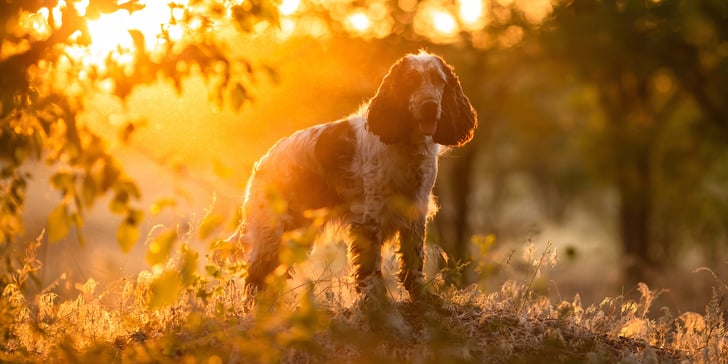
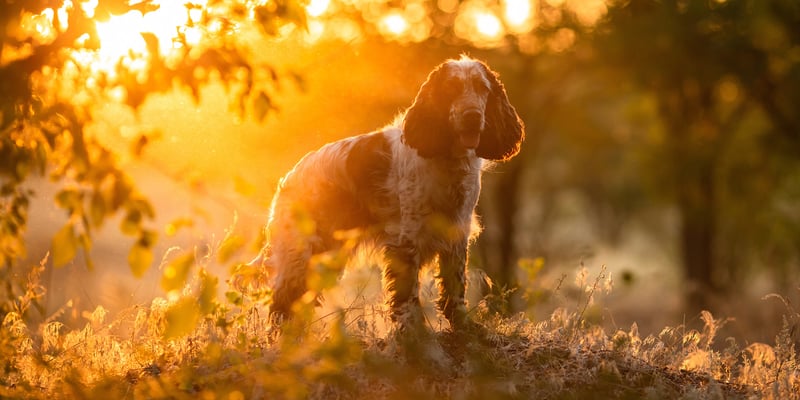
The hallmark silhouette includes a moderate coat, gentle feathering on the legs, and strong, balanced movement.
A Springer Spaniel is a medium-sized, agile breed that holds up to long days in the field.
How do Springers actually work in the field?
Springers are classic gundog specialists that flush birds within gun range, then retrieve cleanly.
They excel at hunting game and retrieving from land and water, making full use of that famous sense of smell.
Historically, water Spaniels and land Spaniel types were developed for the very reasons above; you’ll even find references to the springing Spaniel in some old texts.
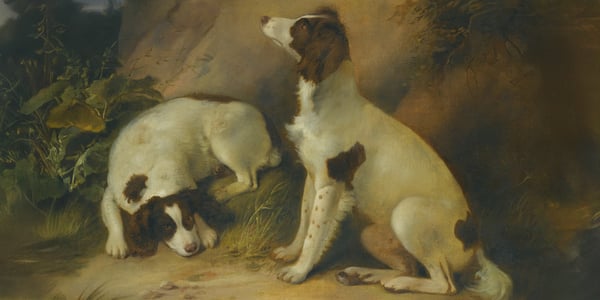
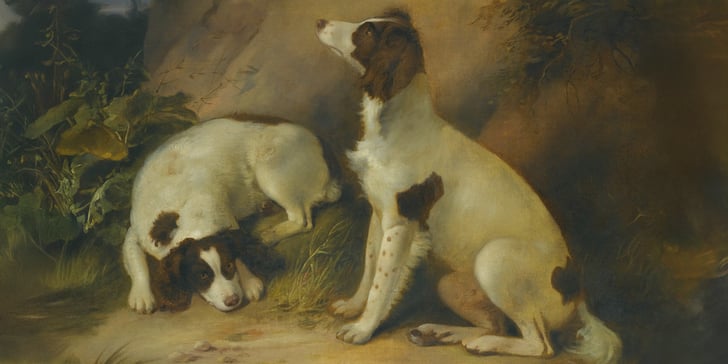
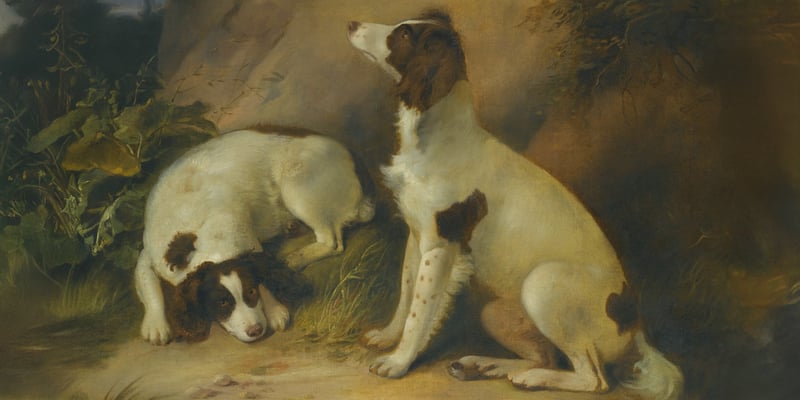
In particular, the 18th-century painter George Stubbs was known for painting a range of Spaniels, especially the land Spaniel. You can see some of this artwork here. Perhaps they will adorn your space with their beauty in the future.
In short, English Springers handle land and water happily, love cover, and were widely used to hunt woodcock and other game birds in the British Isles.
And yes, Springer Spaniels love to work. Many owners say the beauty of the English Springer comes roaring to life the moment your dog slams into dense bramble, tail going like a metronome.
Where can a Springer thrive today?
Work: The breed still stars at field trial events, including the English Springer Spaniel field trial circuits that trace back over a century.
Sport and shows: You’ll find a Spaniel dog doing obedience on Saturday and the show ring on Sunday.
Service: With world‑class noses, they shine in sniffer dog teams and as therapy dogs.
Reviews of canine scent work show strong potential across medical and conservation tasks, thanks to that extraordinary sense of smell. Some Springers are even being used to detect C. difficile in medical settings. For the full paper on dogs in medical use, see the BMC Infectious Diseases review.
A top tip: plan a weekly mix of nose work and recall games. Ten minutes of scent puzzles can beat a long jog for mental fatigue in a Springer.
Choosing your Springer: field, show, or family all‑rounder?
Start with your lifestyle and expand your knowledge of the breed. If you shoot, train, or love vigorous scent games, a field-bred dog may suit.
If your joy is grooming and exhibition, look to bench lines shaped for the show ring.
Either way, English Springer Spaniels are intelligent, people‑oriented, and biddable working dog partners who thrive on teamwork.
Which option is best for your home and hobbies?
Size and feel: A Springer Spaniel is a medium-sized athlete with steady energy.
Temperament: Big hearts, kind eyes, and that classic merry tail.
Coat care: Manageable if you keep on top of mats and the charming feathering on the legs.
Companionship: We often say the true beauty of the English Springer spirit is how quickly your dog moves from field to fireside.

Final practical tips
The English Springer Spaniel was built for a purpose and built for people. If you give that working brain a job and keep life structured, you get a cheerful partner who moves from field to sofa without missing a beat.
Quick wins to put in place
Match the line to your lifestyle: field-bred if you want miles, puzzles, and training days; show-bred if you prefer a steadier pace and the ring.
Work the nose every week: two short scent games or dummy retrieves will tire the mind better than a long plod.
Keep exercise varied: brisk walks, recall practice, and five-minute steadiness drills. Quality over sheer mileage.
Make grooming routine: quick daily brush, weekly ear check, and regular tidy to keep feathering neat and skin healthy.
Teach an “off switch”: settle on a mat after activity, so the dog learns calm comes after work.
Invest in foundations: recall, loose lead, and a rock-solid “sit” before birds, balls, or doors.
Springers thrive on teamwork. Offer clear jobs, kind boundaries, and time together, and you’ll have the best of both worlds: a capable worker outside and a kind, loyal companion at home.
Waggel Pet Insurance
Need more help? You're in luck if you're a Waggel Pet Insurance member. Along with our excellent coverage, we offer access to a 24/7 online vet to answer all your sticky questions, especially if you need grooming assistance.
Not a member? Why not get a quote now and cover your furry friend for a range of illnesses, all while enjoying our amazing perks and rewards.

Want more like this?
Get updates from us with helpful info, advice, answers to frequently asked questions and much more.
Index:
- Introduction
- When was the breed recognised and why did it matter?
- What set Springers apart in early litters?
- Why did working and show Springers diverge?
- Field‑bred vs show‑bred at a glance
- Which colours and patterns are typical?
- How do Springers actually work in the field?
- Choosing your Springer: field, show, or family all‑rounder?
- Final practical tips
Related posts:




Get your quote
Along with our excellent coverage, we offer access to a 24/7 online vet to answer all your sticky questions.