
Summary
Index
Introduction
If your dog’s teeth start clicking, it’s usually a normal response to cold, excitement, smells, or mild stress. But sometimes it can signal pain or illness, so the context (and any other symptoms) really matters.
Key takeaways
Teeth chattering can be harmless, especially after sniffing or during excitement.
Cold, stress, and dental pain are among the top triggers.
Red flags include ongoing episodes, pain signs, and changes in behaviour or appetite.
Recording a short video helps your vet practice team assess what’s happening.
If you’re unsure or worried, book a check sooner rather than later.
What dog teeth chattering actually looks like
Is it just clicking, or whole-body shaking too?
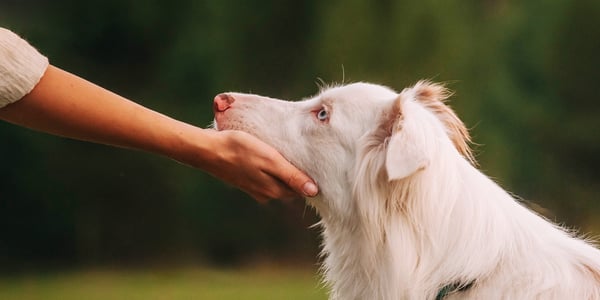
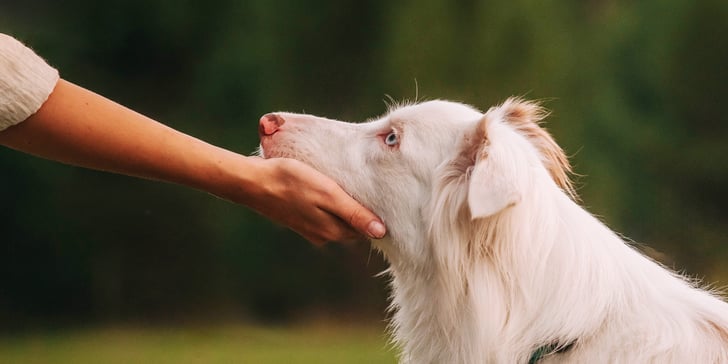
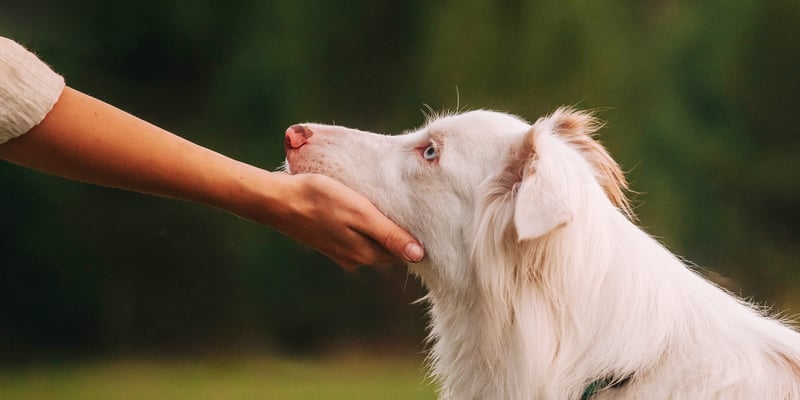
You might first notice your dog chattering their teeth with a rapid little jaw movement that looks like tiny “clacks”.
Some owners and vets call it dog chattering, others say jaw chattering or just chattering teeth. However you describe it, if teeth are chattering for a few seconds and your dog otherwise seems fine, it may be nothing more than a weird moment.
Sometimes it comes with body trembles too. If you’re trying to work out whether it’s related to general shaking, this guide on why dogs shake is a helpful read.
Why does it happen at random times?
You might notice this behaviour when your dog is resting, greeting you, or sniffing the air like they’ve just picked up the world’s most interesting scent.
Dogs sometimes do it once, then never again. Other times, it becomes a pattern, which is where we start looking at the “why”.
Causes of dog teeth chattering (the normal ones first)
Smells and the Flehmen response (yes, it’s a thing)
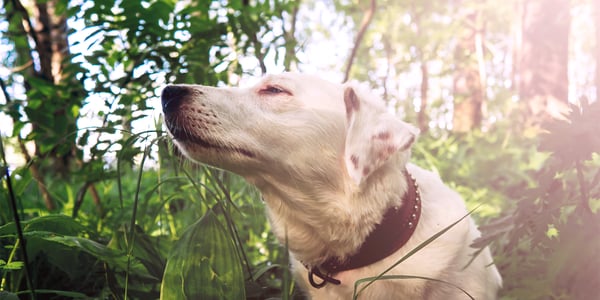
One of the most common, harmless triggers is scent processing. Dogs can chatter their teeth after smelling something potent, especially urine marks.
This is linked to the vomeronasal organ (often called Jacobson’s organ), which helps dogs process pheromones and chemical signals.
You’ll sometimes see lip curling, stillness, and a brief jaw click. Whole Dog Journal explains the Flehmen response and Jacobson’s organ clearly, in plain English, here: Whole Dog Journal.
This could be the main cause of your dog doing those “weird face” motions.
It can also happen after smelling a female dog in season, and yes, it can show up in both sexes. A male dog might do it more often during hormonal moments, but a female dog can do it too.
In real-life terms, teeth chattering happens mostly due to this response to scent signals, and it can look like your dog has briefly turned into a tiny castanet player.
Cold or excitement
Sometimes it is as simple as temperature. If your dog is cold, and their body is trying to warm up quickly, they may shiver or chatter their teeth. This can be more noticeable in short-haired dogs like a Whippet or Greyhound.
At the other end of the mood scale, they’re excited and their jaw gets a bit “buzzy”. In those moments, your dog may look totally happy, just jittery.
A few dogs will do it when anticipating a walk, dinner, or a favourite person. Owners often say their dog tends to do it at the door, or right before the lead comes out.
When chattering might be a pain or health problem
Dental pain and mouth problems
Here’s where we get more serious. Chattering teeth could be your dog’s way of saying “my mouth hurts” without being able to tell you about it.
The common causes here include dental disease, fractured teeth, gum infection, or an abscess. Over time, poor oral health can lead to teeth chattering, especially when chewing or after eating.
Look for clues like bad breath, pawing at the face, dropping food, or extra saliva such as drool. If chattering teeth is accompanied by foamy saliva, this related guide on dog foaming at the mouth causes and concerns can help you judge what’s urgent.
Also, mechanics matter. If your dog’s jaw is clenched, teeth can rub together, and teeth may click more noticeably, especially when they’re tense.
In rare trauma cases, a jaw fracture can also cause painful jaw movement. That’s an urgent situation. You should contact your vet immediately.
Anxiety, stress, and the “busy household” effect
Stress can show up in odd ways. A dog who started chattering during fireworks, travel, or visitors may simply be overwhelmed.
If you’re seeing other signals too, it can help to decode the full picture. These guides are worth a look:
Sometimes the “teeth thing” is just one piece of your dog’s stress puzzle.
Could it be neurological?
Focal seizures and jaw-only episodes
This is the part that worries most people, understandably. A neurological issue can sometimes present as subtle facial movements rather than a full-body event.
A seizure can be focal, meaning it affects one half of the brain and may show up as small, repeated movements like dog chattering teeth or blinking. In other words, focal episodes exist, and focal seizures are a real possibility in some cases.
Veterinary Partner (VIN) specifically notes teeth chattering can be linked to focal seizures and explains it in a clinical but readable way: Veterinary Partner (VIN). Cornell’s canine health centre also has a helpful overview of seizure types and management: Cornell University College of Veterinary Medicine.
If your dog is experiencing a neurological event, they may seem “not with you” for a moment. You may also see facial twitching, unusual licking, or a brief freeze. That’s when it becomes something more serious.
This is especially relevant in older dogs, where age-related neurological conditions and dental problems are both more likely.
Your vet will be able to diagnose and help treat any issues but if you notice any of the above, it's best not to wait and get professional help as soon as possible.
Quick guide: what the signs might mean
When to see a vet in the UK
Red flags that should not wait
You do not need to panic every time your dog chatters. But you should act faster if sudden teeth chattering comes with signs of pain, confusion, or ongoing episodes.
So if you see this happen more than once a day, or it’s escalating, it’s time to see a vet.
What your vet team might do
At the appointment, the vet will usually start with history and a physical check. A veterinarian may recommend an oral exam if pain is suspected, and talk through your dog’s routine, diet, and any triggers.
If they suspect broader underlying causes, they might suggest lab work. They’ll also ask about patterns around vet visits, meals, sleep, and stress. They are trying to work out what could be the cause and whether it’s a simple trigger or something deeper.
In some cases, your dog may chatter their teeth due to nausea or discomfort, so don’t be surprised if the questions feel wide-ranging. That’s normal.
How to prevent teeth chattering (when you can)
Practical steps that actually help
You cannot stop every episode. But you can often prevent teeth chattering by reducing the most common triggers.
Keep your dog warm after winter walks.
Support calm routines (especially for sensitive dogs).
Stay on top of brushing and check-ups for long-term mouth comfort.
Good mouth care matters because issues in your dog’s mouth can cause your dog’s teeth to chatter over time, especially when pain builds.
If you have a girl and you’ve noticed your dog chatters her teeth after sniffing, that may be pheromones rather than pain.
A final note on “is this normal?”
The tricky truth is that the reasons why dogs chatter sit on a spectrum. Sometimes it is harmless. Sometimes it is discomfort. Rarely, it is neurological.
If you’re ever in doubt, trust your gut. If your dog is chattering repeatedly, or your dog dog feels off in themselves, get advice. Your dog’s teeth are not meant to rattle like loose change.
f you're a Waggel customer and concerned about your dog, you can access 24/7 free vet support with Joii included with your policy. Want access to online vet help? Join Waggel today.

From everyday questions to expert advice, we’ll help you feel confident in every moment of pet parenthood.
Get your quote
Along with our excellent coverage, we offer access to a 24/7 online vet to answer all your sticky questions.