Summary
Index
Introduction to dog sleeping positions: what they mean about your pet
Dogs, much like humans, have unique ways of sleeping that can reveal a lot about their health, personality and comfort levels.
If you're wondering why does my dog sleep in this position? Then you're in the right place.
Understanding the meaning behind some common sleeping positions can help you better care for your furry friend.
In this comprehensive guide, we explore everything from sleeping curled up in a ball to dreaming flat out with their legs in the air.
What are their meanings, and how can they inform you about your dog's well-being?
Common dog sleeping positions and their meanings
1. The donut
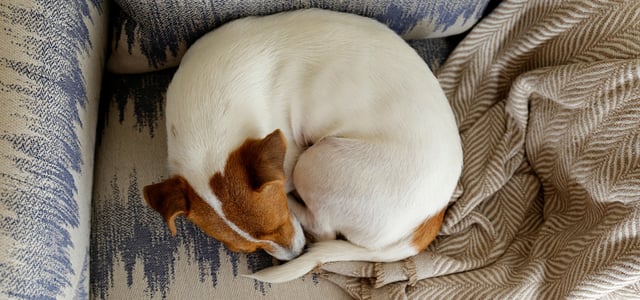
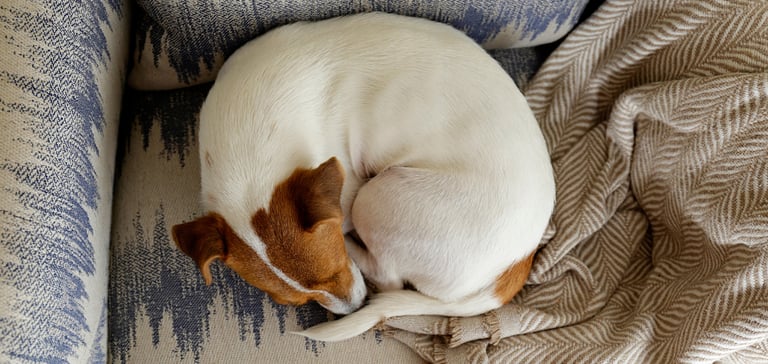
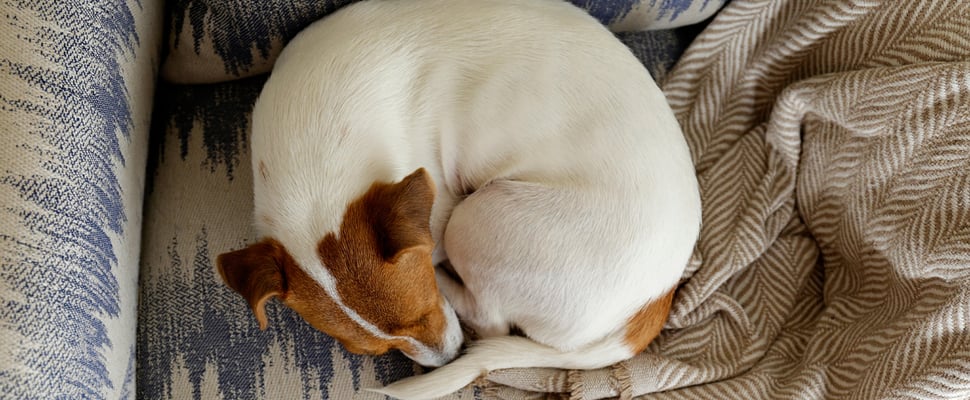
When a dog curls up into a tight ball, resembling a donut, it typically signifies warmth and protection.
This position helps conserve body heat and protects vital organs. It’s common in colder weather or among dogs that feel vulnerable.
2. The side sleeper
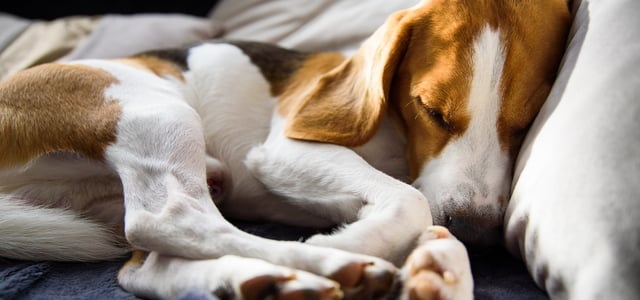
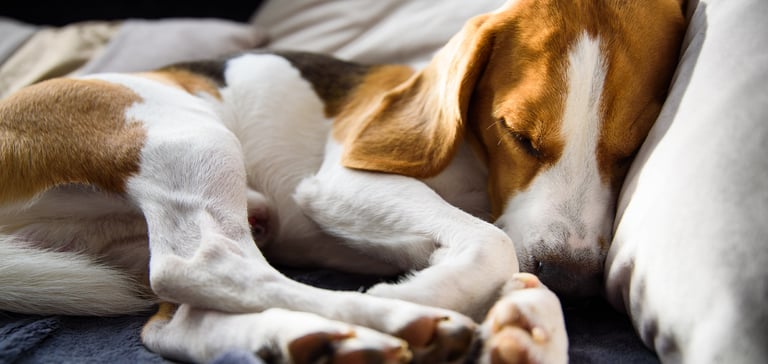
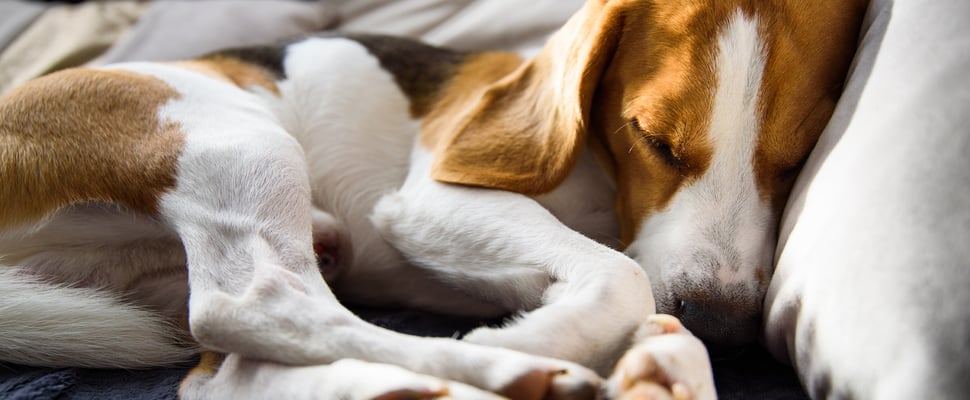
A dog lying on its side with their legs extended indicates relaxation and trust.
Dogs in this position are comfortable in their environment and feel safe enough to expose their vital organs. It's a sign of contentment and deep sleep.
3. The Superman
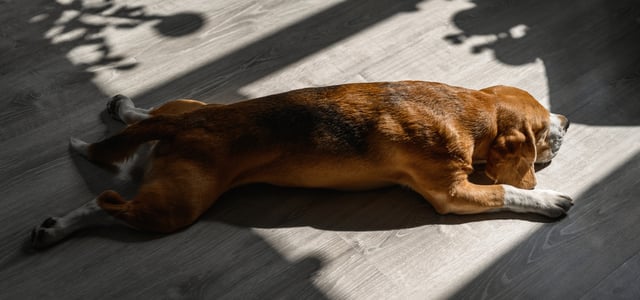
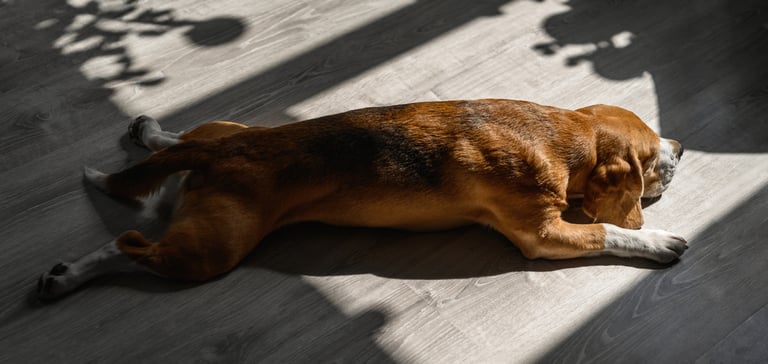
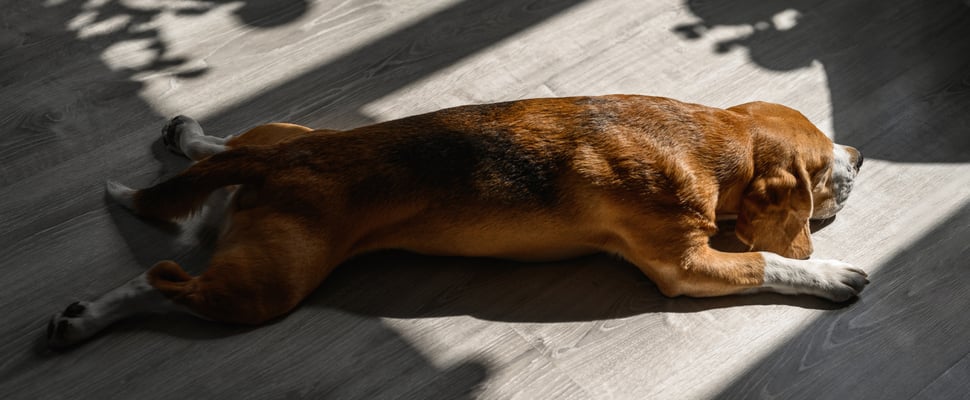
Dogs stretched out with their limbs extended, resembling a flying superhero, are often in a light sleep or ready to spring into action.
This position is common in playful and energetic dogs, showing they are comfortable but alert.
4. The cuddler
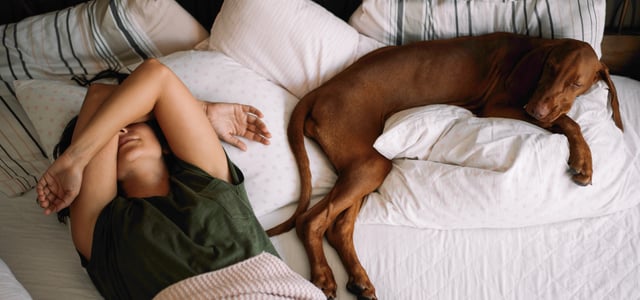
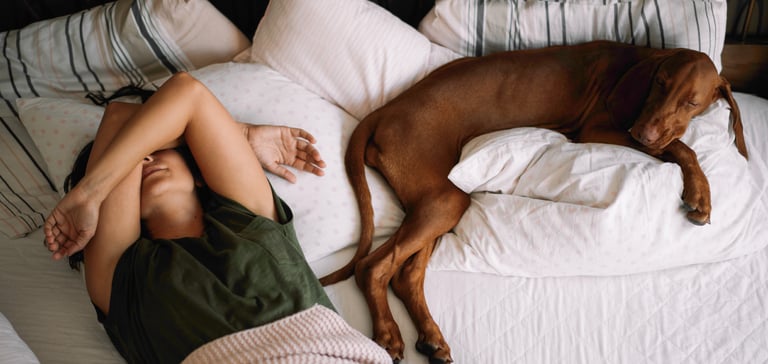
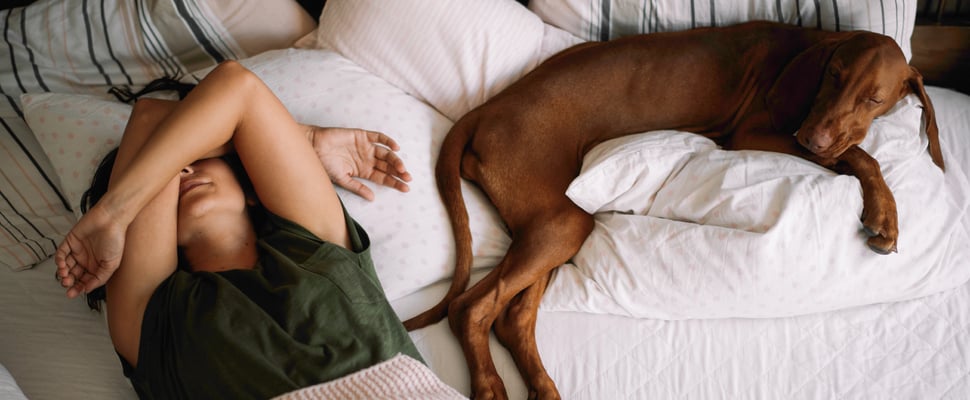
Dogs that sleep snuggled up to their owners or other pets demonstrate affection and a desire for closeness.
This behaviour is typical of puppies and dogs with strong bonds to their families. It’s a sign of trust and affection.
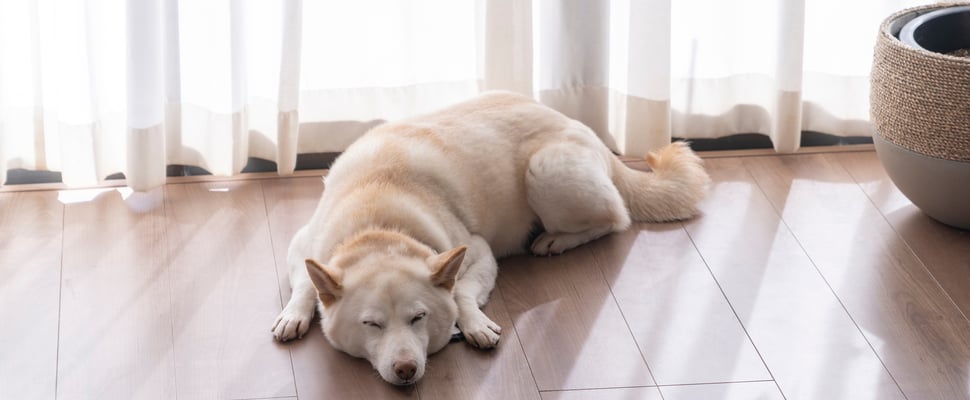
5. The lion's pose
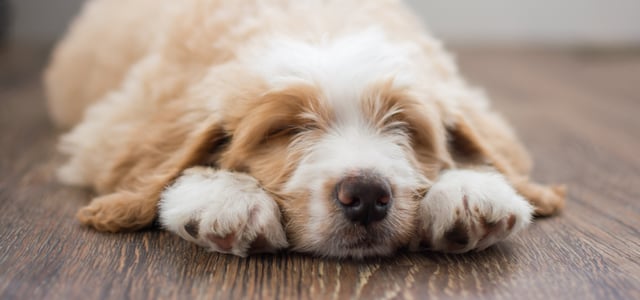
In the lion's pose, a dog rests with its head on its paws, similar to the majestic lion.
This position signifies rest rather than deep sleep, indicating that the dog is in a state of relaxation but ready to get up and move if needed.
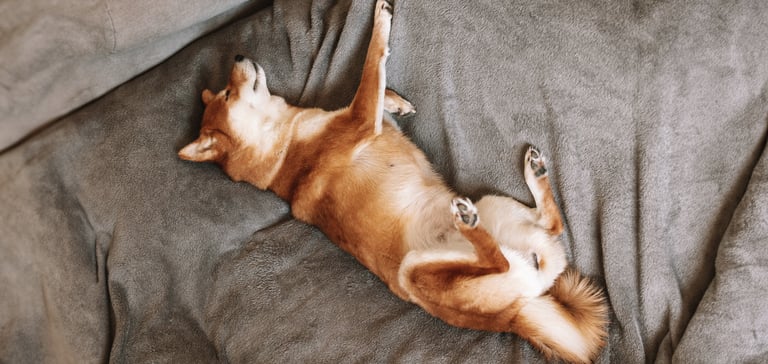
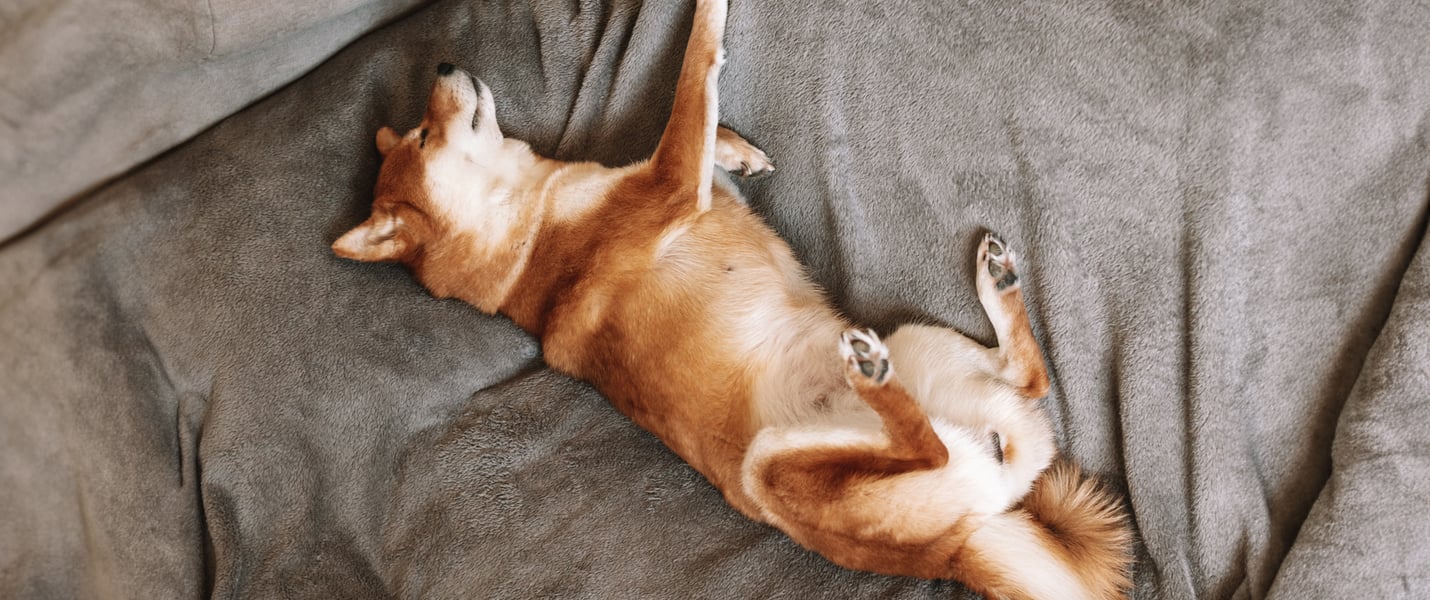
6. The back sleeper
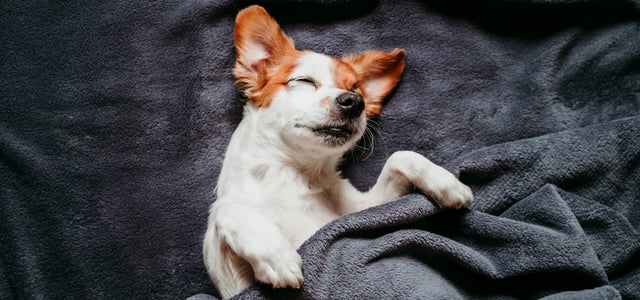
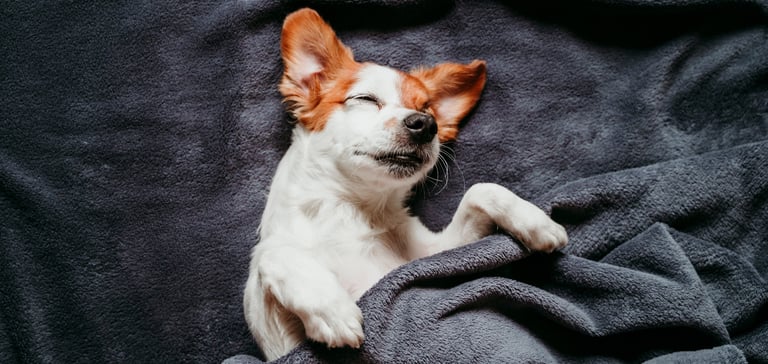
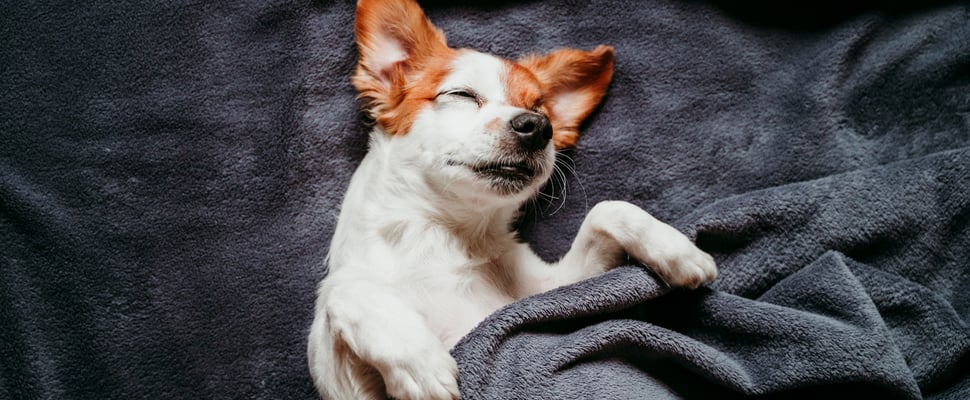
A dog lying on their back with paws in the air is the ultimate sign of comfort and trust.
This position is a sign that the dog feels completely secure in its environment and can regulate its body temperature more effectively.
What these positions reveal about your dog’s health
A sleeping position is not a diagnosis.
It can, however, be a clue.
Most positions are normal. Dogs move around. They sleep in different ways. They change position through the day and night, just like we do.
Here is a simple guide:
Curled up, or the donut position: Your dog may be keeping warm, feeling safe, or just enjoying a cosy shape.
Side sleeper: Your dog is likely relaxed and comfortable. They may feel safe enough for deeper sleep.
Superman: Your dog may be resting lightly, cooling down, or staying ready to move.
Cuddler: Your dog may want warmth, contact and comfort.
Lion’s pose: Your dog is resting, but still alert.
Back sleeper: Your dog may feel safe, calm and relaxed. They may also be cooling down.
The important thing is change.
If your dog has always slept in odd positions, that is probably just them. But if they suddenly stop sleeping in a normal way, keep an eye on it.
For example, a dog with sore joints may avoid lying on one side. A dog with tummy pain may struggle to get comfortable. A dog with breathing issues may sleep with their head raised. An anxious dog may wake often or struggle to settle.
Watch for other signs too. Limping. Panting. Whining. Low energy. Loss of appetite. Heavy breathing. Restlessness at night.
If something feels off, speak to your vet.
How to improve your dog’s sleep quality
Dogs sleep a lot. Some dogs nap like it is their full-time job.
But good sleep still matters.
A dog who rests well is often calmer, happier and easier to live with. Poor sleep can make dogs grumpy, jumpy or restless. Puppies, older dogs and anxious dogs may need extra help with sleep.
Here are a few ways to make bedtime better.
1. Provide a comfortable bed
A good bed can make a real difference.
Think about how your dog likes to sleep.
If they curl up, they may like a round bed with raised edges. It gives them something to tuck into.
If they sprawl, they may prefer a flat mattress-style bed with lots of room.
If your dog is older, large, stiff or recovering from an injury, they may need more support. Orthopaedic beds can help take pressure off joints. Memory foam can also be useful for dogs who need a softer, steadier surface.
The bed does not have to be fancy. It just needs to suit your dog.
You can also read this guide to must-have dog products for more useful ideas.
2. Maintain a regular routine
Dogs like routine.
They do not need every minute planned. But they do like knowing the general shape of the day.
Meals at similar times. Walks at similar times. A quiet wind-down before bed. These small habits can help dogs feel calmer.
This is especially useful for puppies, rescue dogs and nervous dogs. A predictable routine can make the world feel less confusing.
Try to avoid wild play right before bed if your dog struggles to settle. Give them time to calm down. A short toilet break, a gentle stroke, then lights down can work well.
3. Ensure a calm environment
Some dogs can sleep through anything.
Others wake up at every tiny sound.
A calm sleeping spot can help. Choose somewhere away from heavy foot traffic, loud TVs and constant doors opening and closing.
Many dogs like to be close to their people, but not right in the middle of everything. A quiet corner of the living room or bedroom can work well.
If noise is a problem, you could try a white noise machine or calming music. Some dogs find soft background sounds soothing, especially if outside noises make them jump.
For dogs who struggle with nerves, bedtime can be harder. A steady routine, calm handling and the right products may help. You can read more in this guide to top products for dogs with anxiety.
4. Monitor room temperature
Dogs move around when they are too hot or too cold.
A cold dog may curl into a tight ball. They may tuck their paws under them. They may look for blankets or warm spots.
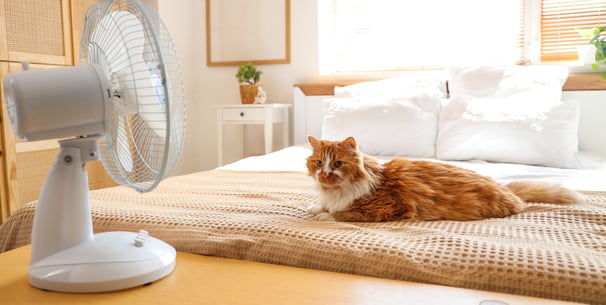
A warm dog may stretch out flat. They may lie on tiles, wood floors or near a draught.
Try to give your dog choices.
In winter, offer a blanket or a bed away from cold floors. In summer, make sure they have shade, fresh water and a cool place to lie down.
Never force a dog to stay covered. Some dogs love blankets. Others get too hot and move away. Let them choose.
5. Regular exercise
Dogs often sleep better when their day has had the right mix of movement and mental stimulation.
That does not mean running them until they are exhausted. Too much exercise can be a problem, especially for puppies, older dogs or dogs with joint issues.
The goal is balance.
Walks. Sniffing. Play. Training. Puzzle toys. Calm time.
Sniffing is especially useful. It works your dog’s brain and can tire them out in a gentle way.
Adequate exercise can reduce restlessness and help your dog settle into deeper sleep.
6. Health check-ups
Sleep changes can sometimes point to health issues.
If your dog suddenly cannot get comfortable, wakes up more often, pants at night, or avoids a position they used to love, do not ignore it.
It may be nothing. Dogs have off days, too.
But it could also be pain, stiffness, breathing trouble, anxiety or tummy discomfort.
Vet checks help catch problems early. They are especially important for older dogs or breeds that are more likely to have joint, back or breathing problems.
For more signs to watch for, read this guide to dog health concerns.
Conclusion
Understanding your dog's sleeping positions can provide valuable insights into their well-being and comfort.
By recognising these positions and making appropriate adjustments to their sleeping environment, you can help ensure your furry friend enjoys restful and rejuvenating sleep.
Happy, well-rested dogs are more likely to be healthy, playful, and affectionate, enhancing the bond you share with your beloved pet.
Answers to your questions
What do different dog sleeping positions mean?
Different dog sleeping positions can indicate various things about their comfort, health and emotions.
For instance, when a dog sleeps curled up, it usually means they are conserving warmth and feel secure.
How can I help my dog sleep better?
Ensuring your dog has a comfortable and supportive dog bed, maintaining a calm environment and establishing a consistent routine can improve your pup’s sleeping habits.
Regular exercise and a balanced diet also contribute to better sleep patterns.
What does it mean if my dog sleeps with their head and neck raised?
When a dog sleeps with their head and neck raised, it often means that they are trying to breathe more easily.
This position usually means your dog might have respiratory issues or simply enjoys a more comfortable breathing angle.
Are there specific sleeping patterns for different dog breeds?
Yes, different dog breeds can exhibit unique sleeping patterns. Some breeds may be more prone to sleeping curled up, while others might enjoy sprawling out.
Understanding your dog’s breed-specific habits can help you interpret their sleeping positions and what they mean more accurately.
Why does my puppy sleep so much?
Puppies require a lot of sleep for growth and development. On average, a puppy may sleep 18-20 hours a day.
Noticing your dog adapting to routine sleep patterns indicates healthy growth and development.
What does the "superman" position in dogs mean?
The "superman" position, where the dog lies flat on their stomach with limbs stretched out, is one of the cutest dog sleeping poses.
This position usually means your dog is feeling playful and ready to jump up at any moment.
Is it okay to let my dog sleep in bed with me?
Letting your dog sleep in bed with you is a personal choice. It can strengthen the bond between you and your dog.
However, it's important to consider any allergies, sleep disruptions, or behaviour issues that may arise from sharing a bed.
What does it mean if my dog prefers to sleep on their back?
When a dog sleeps on their back, it typically means that they feel safe and secure in their environment.
This position also allows for maximum relaxation and can help them cool down, as the belly is exposed.
Can sleeping positions indicate health problems in dogs?
Yes, certain sleeping positions can indicate potential health issues. For example, a dog sleeping in a hunched position might be experiencing pain or discomfort.
Monitoring your dog’s sleep patterns and consulting a vet if you notice unusual changes is essential.
Why does my dog want to get under the covers while sleeping?
Some dogs enjoy the sensation of being under covers as it mimics a den-like environment, providing comfort and security.
This adorable dog sleeping habit can indicate a need for warmth or a sense of protection.
Understanding these sleeping positions not only aids in better care but also strengthens the bond between you and your furry companion.
For more tips on how to make your dog happy, visit this guide.

From everyday questions to expert advice, we’ll help you feel confident in every moment of pet parenthood.
Less stress, more love.
Along with our excellent coverage, we offer access to a 24/7 online vet to answer all your sticky questions.