Summary
Index
Introduction
Resource guarding is one of the most common behaviour issues we see in dogs and it often catches owners completely off guard. One minute your pup is the friendliest dog on the planet and the next they are fiercely protecting a toy, food bowl or even their favourite spot on the sofa.
The brilliant news is that with understanding, patience and the right approach most dogs learn that sharing is safe and those tense moments fade away. Many families turn worry into confidence and it always starts with realising this is not about dominance or spite. It is about feeling secure.
Key takeaways
Resource guarding is a natural survival behaviour where dogs use growling, stiffening or snapping to keep hold of something they value.
It often stems from genetics, past experiences or learned worry that the good thing might disappear.
Early signs include freezing, side-eye glances or quick eating, and spotting them early makes fixing it much easier.
Management first (trading instead of forcing) keeps everyone safe, while positive training changes the emotion behind the behaviour.
Most dogs improve dramatically with consistent, reward-based work and not punishment or confrontation.
What exactly is resource guarding?
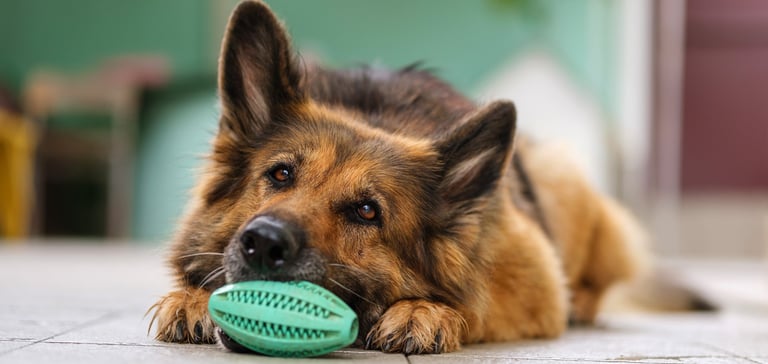
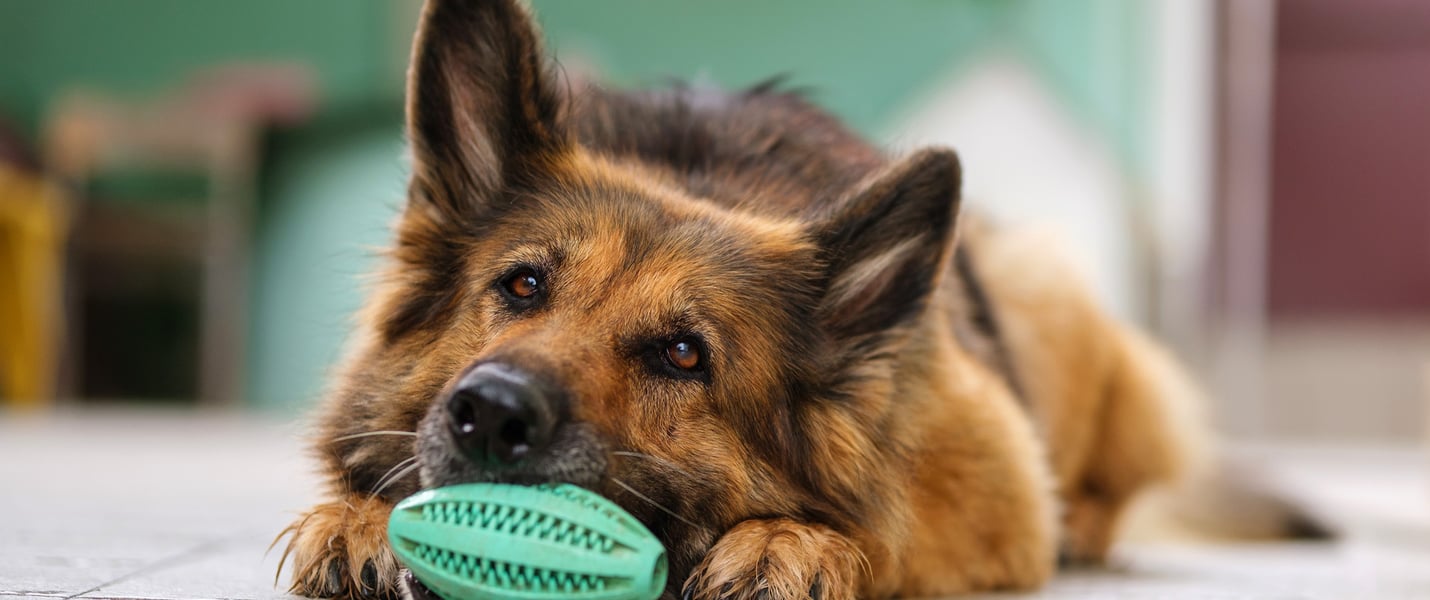
Resource guarding happens when a dog uses body language or actions to control access to something they see as valuable. It could be food, a toy, a chew, their bed or even you. The behaviours range from subtle to obvious. A dog might stiffen up, turn their head away, growl softly or in more serious cases snap or bite if you get too close.
It is not the same as general aggression. This is specific to protecting a “resource”. A large 2018 study published in Applied Animal Behaviour Science surveyed thousands of dog owners and found that resource guarding shows up in all sorts of patterns, from quick eating to avoidance or outright aggression.
The researchers defined it clearly as “the use of avoidance, threatening, or aggressive behaviours by a dog to retain control of an item”. You can read the full paper here: Defining and Clarifying the Terms Canine Possessive Aggression and Resource Guarding.
The important bit is that the dog is not trying to be “alpha” or challenge you. They are simply worried the good thing will vanish. Understanding that emotional root changes everything about how you help them.
Why dogs start guarding resources
Dogs do not wake up one day deciding to guard things. It usually builds from a mix of nature and life experiences.
Genetics play a big role. Some breeds and individuals are wired to be more protective of resources because their ancestors needed to compete for food in the wild or on farms. Past experiences matter too.
Rescue dogs who once had to fight for every scrap of food often carry that worry into their new home, even when meals are plentiful. Puppies who had toys or food taken away roughly during training can learn that hands near their stuff mean trouble.
A follow-up 2018 study in the same journal looked at thousands of dogs and found that impulsivity, fearfulness and living in multi-dog homes all raised the chances of guarding behaviour. Neutered males and mixed breeds showed slightly higher rates in some cases.
The research also showed that teaching a reliable “drop it” cue early on actually lowered the risk of serious guarding. Read more in the study: Factors associated with canine resource guarding behaviour in the presence of people.
Stress and routine changes can make it worse, too. A new baby, visitors or even a change in feeding schedule can tip a dog from relaxed to protective.
Spotting the early signs
The sooner you notice the behaviour, the easier it is to turn around. Dogs often give clear warnings long before things get serious. Here is a useful table of what most owners see:
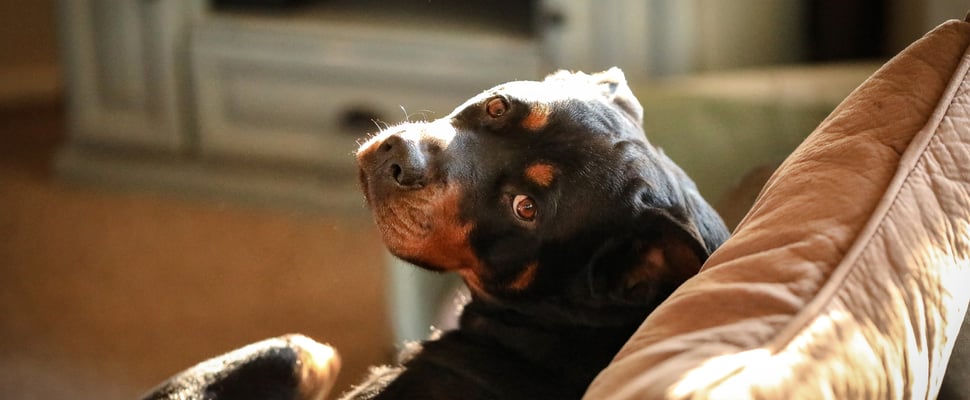
Watch for the subtle stuff, like a quick head turn or ears going back when you walk past their bowl. Those are the moments to step in with positive training before it escalates.
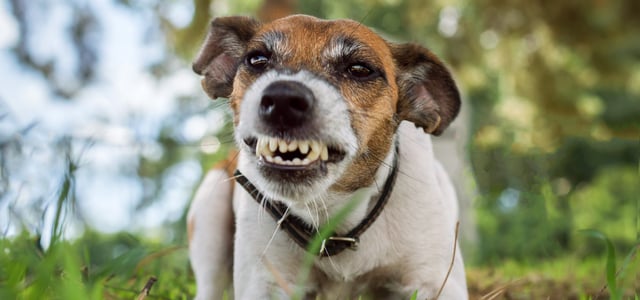
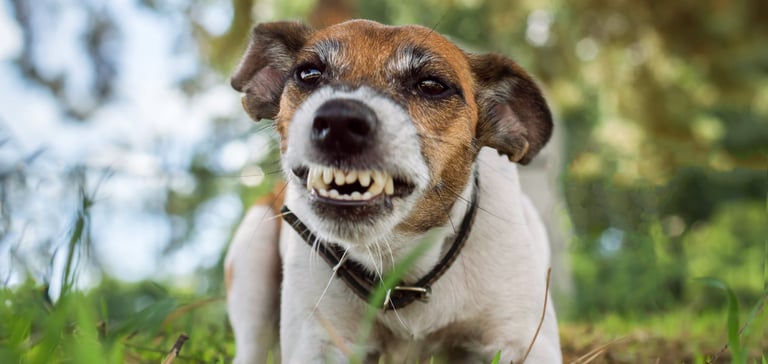
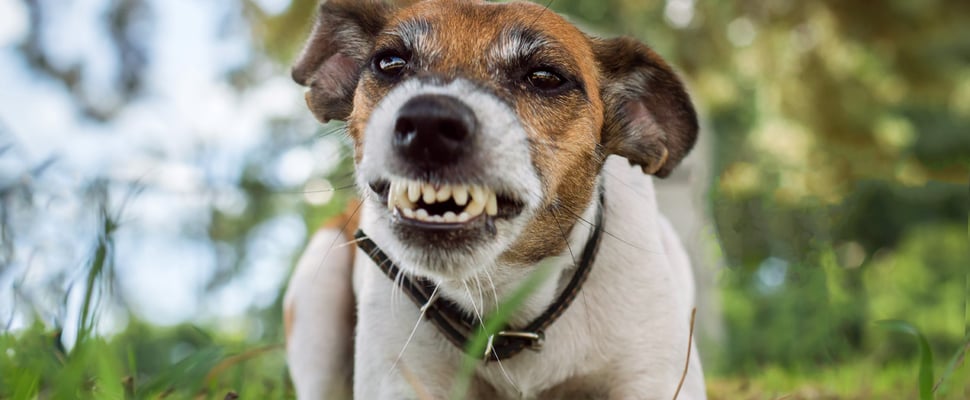
Food is the number one trigger for most dogs. Toys, chews, beds and even people come close behind. Some dogs guard the sofa spot they claimed or the hallway when another dog walks past. The trigger is almost always the same: the dog believes the resource could be taken away.
In multi-dog homes you might see one dog guarding against the other even if they are best friends the rest of the time. Puppies often guard toys during play because they are still learning social rules.
Safe management before training
Never force the issue. Reaching in to take something away can make guarding worse and risk a bite. Management keeps everyone safe while you work on the root cause.
Here are a few simple rules that help straight away:
Feed in a quiet corner away from foot traffic
Give high-value chews only when you can supervise
Teach kids never to approach a dog with food or toys
Use baby gates or separate rooms during mealtimes if needed
These steps buy you time to teach new habits without anyone getting too stressed.
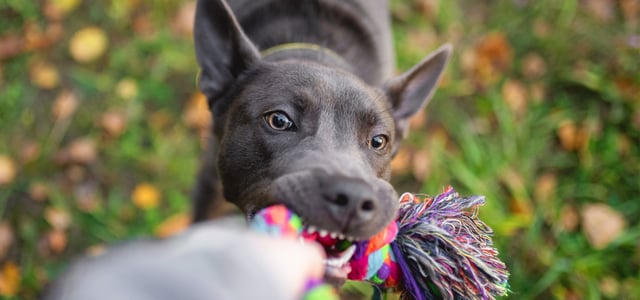
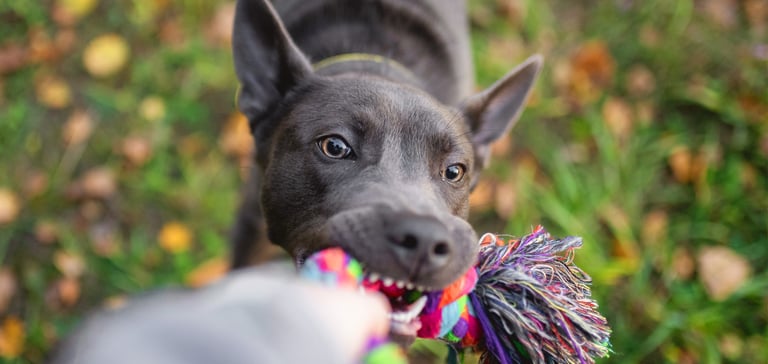
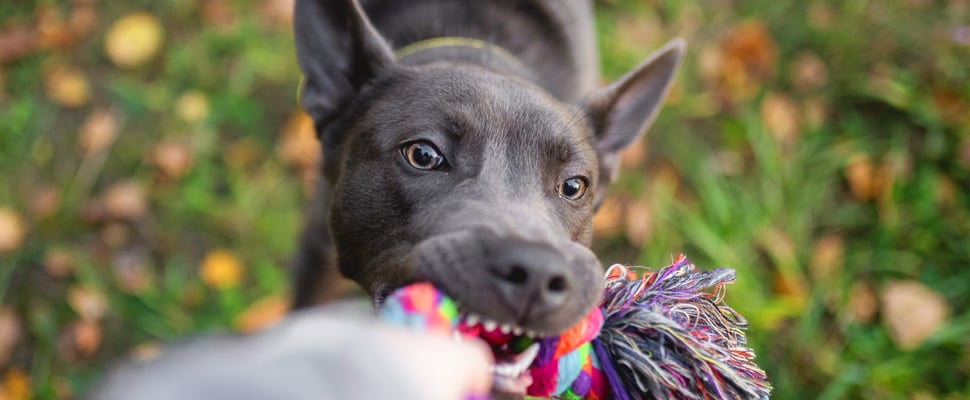
How to address resource guarding step by step
The gold standard is positive reinforcement that changes how your dog feels about people near their stuff. Punishment makes it worse because it confirms their fear that hands near resources mean trouble.
A proven approach uses desensitisation and counter-conditioning. Start far away and pair your approach with something they truly desire like chicken or cheese. Gradually get closer over many sessions until your dog looks happy when you approach because they have learned good things happen.
Here is a practical table of training steps that work for most dogs:
Go at your dog’s pace. Some improve in weeks, others can take months. Short daily sessions beat long frustrating ones every time.
Our guide to how to make your dog happy has loads of extra enrichment ideas that reduce overall stress and make guarding less likely.
Prevention starts early
The best time to work on this is when your dog is still a puppy. Teach them that hands near their bowl or toys always predict something better. Hand-feed meals sometimes. Trade toys gently from day one. Socialise them well so they learn the world is safe.
Our puppy socialisation guide is full of practical ways to build confidence and prevent guarding habits before they start.
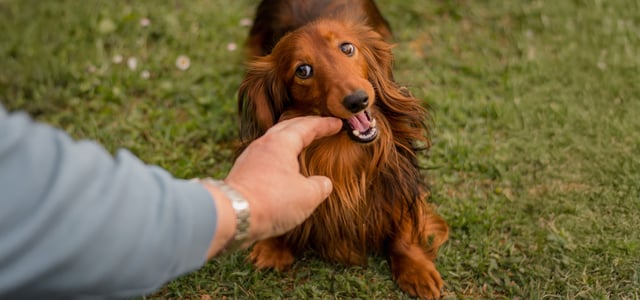
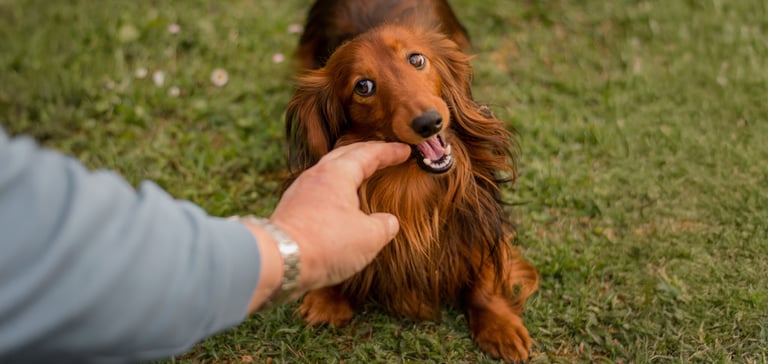
When to get professional help
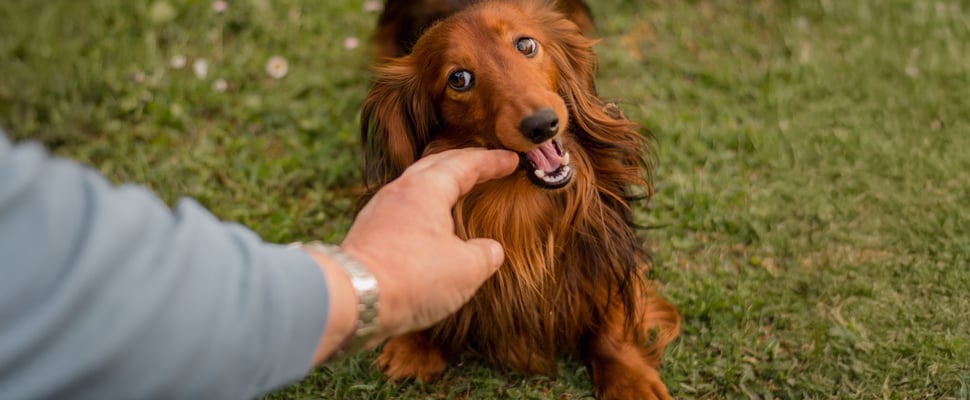
If your dog has already bitten, guards multiple resources intensely or you feel nervous handling the situation, bring in a qualified behaviourist or certified trainer who uses force-free methods. Never try dominance rolls or alpha rolls. They make everything worse and can break trust.
Living successfully with a resource guarder
Many dogs never completely lose every trace of guarding, but they learn it is safe to share. You adapt by respecting their signals, using management tools and keeping training consistent. The bond actually gets stronger because your dog learns they can trust you.
Resource guarding is not a character flaw. It is a dog trying to feel secure in a world where good things sometimes disappear. With understanding and the right steps, you can show them that good things are safe and plentiful. The growls fade, and the happy tail wags take over again.
They are just asking for help with feeling safe. Those quiet moments when they finally relax while you sit nearby are worth every bit of patience. Here is to fewer growls, more trust and a whole lot more joy with your dog.

From everyday questions to expert advice, we’ll help you feel confident in every moment of pet parenthood.
Less stress, more love.
Along with our excellent coverage, we offer access to a 24/7 online vet to answer all your sticky questions.