


Summary
Index
Introduction
Bringing a new baby home is a joyful moment, but it also represents a significant change for new parents - especially if they own dogs. Many owners worry about how their dog will react to the new routines, sounds and scents that accompany the exciting new chapter of having a baby.
Rest assured, this is completely normal, and in this article, we’re here to lend a helping hand and explore together the benefits of careful preparation and steady supervision to ensure a positive and safe adjustment for everyone involved.
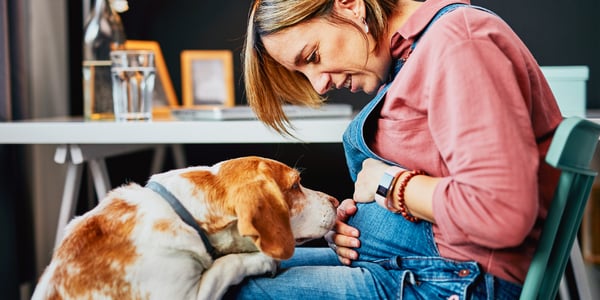
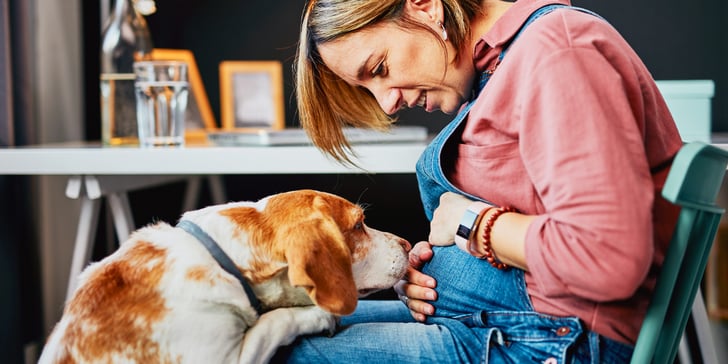
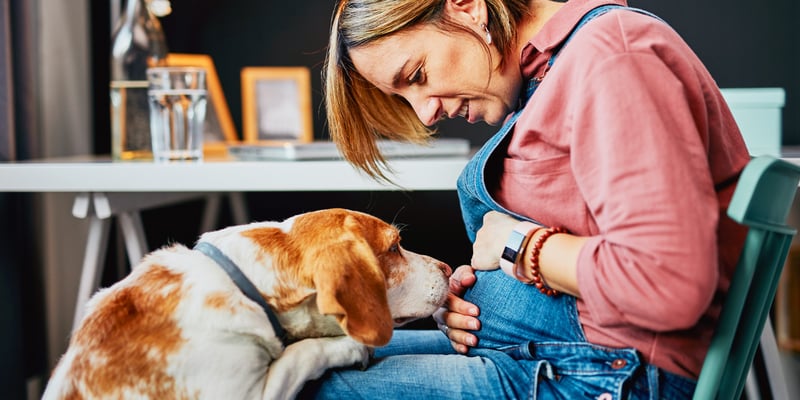
Bringing in change little by little
The most effective way to help a dog through this transition is to introduce changes gradually so you don’t feel extremely overwhelmed at an already overwhelming time. In the weeks and months leading up to the birth, it’s a good idea to begin to familiarise your dog with baby-related sounds and objects by playing gentle recordings of crying or cooing and by placing items such as cots, prams and toys around the home.
Calm exploration should be encouraged and paired with rewards so your dog begins to associate these new experiences with positive outcomes. Maintaining regular exercise and arranging additional help (such as a trusted dog walker or support from friends and family) can prevent stress during the busiest early weeks of parenthood.
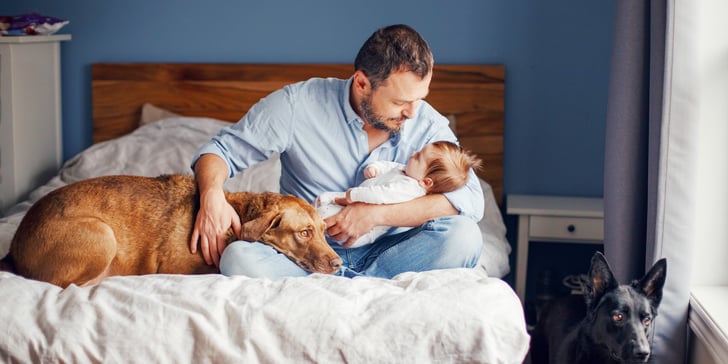
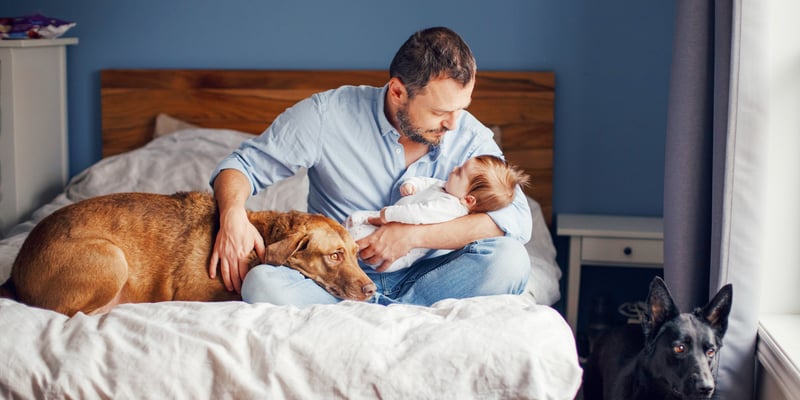
Making small adjustments
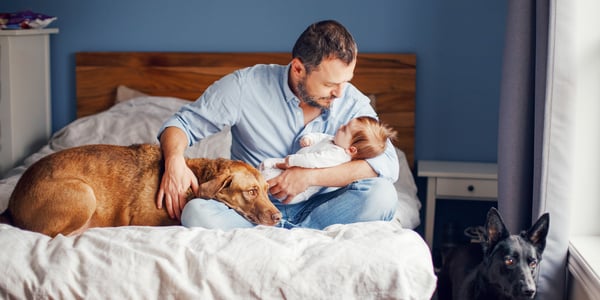
Small adjustments to the household environment also help to promote safety and clarity:
Installing a sturdy baby gate will allow your dog to observe family activity without direct contact, reducing the likelihood of overwhelming situations. Introducing slight routine changes before the baby arrives, rather than after, will also help to prevent your dog from associating disruption solely with the newborn.
A quiet, restful area away from the home's central activity also provides your pet with a predictable and safe place to retreat when needed.
A simple phased timeline can also support expecting pet owners as they prepare for the birth of the baby:
Around eight to twelve weeks before the due date, gentle sound exposure, the introduction of baby equipment and short separations behind a gate can begin.
Over the next four to eight weeks, we recommend reducing spontaneous attention of your dog ever-so-slightly to help your dog cope with the inevitable shift once the baby arrives, while refreshing loose-lead walk training and practising pram walks.
In the final weeks before birth, exposure to a baby-scented blanket (through laundry detergent, for example) can help build positive associations and further support bonding between your new addition and your pet.
During the week of the birth itself, maintaining regular feeding and walking patterns is beneficial.
However, this is where we recommend leaning on friends and family for support - as the old adage goes, ‘it takes a village.’
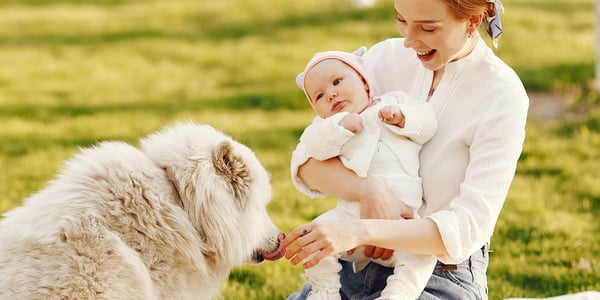
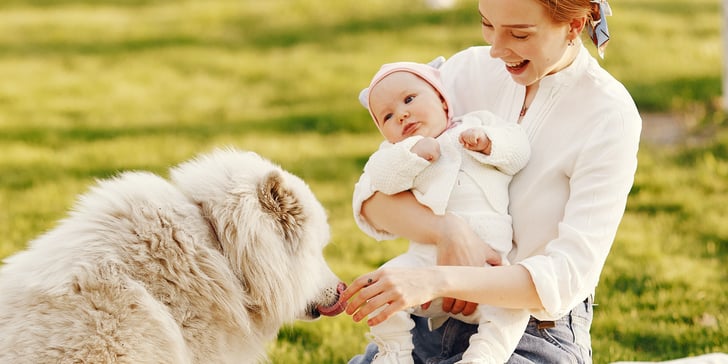
First meetings
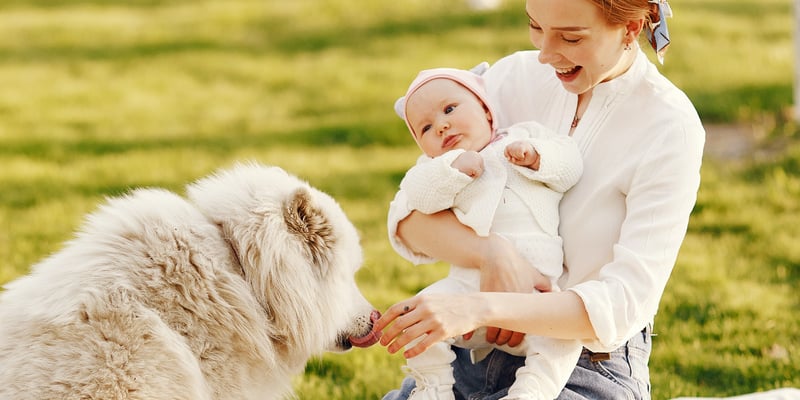
The initial meeting between your dog and baby should take place in a quiet setting. If your dog is prone to becoming a tad excitable, greet them first without the baby in hand to help reduce arousal. The baby can then be held securely while the dog is allowed to approach at a controlled pace. Brief sniffing, followed by immediate rewards for calm behaviour, supports a positive association.
It remains essential that dogs and babies are never left unsupervised, regardless of your dog’s temperament or previous behaviour around children.
Whilst you may fully trust your dog, feelings of threat, anxiety or over-excitement can cause them to exhibit unusual behaviour, so always ensure you’re overseeing and in control of interactions.
Basic training can further support smooth interactions. Short refreshers of cues such as “settle” and “leave” reduce the likelihood of sudden movements or unwanted behaviours during busy moments. Keeping small, high-value treats easily accessible can also help family members and visitors to reinforce calm behaviour precisely when it occurs.


A final note to conclude
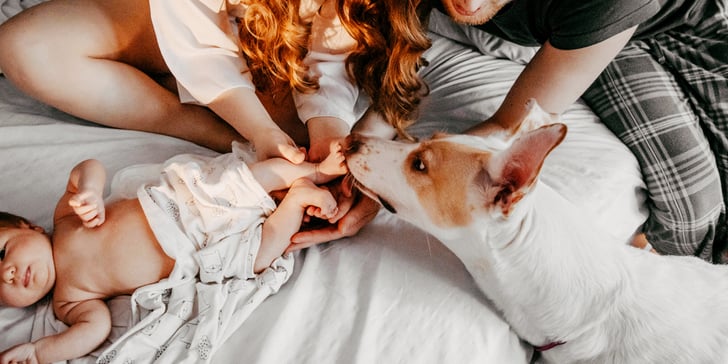
Becoming a new parent often brings fresh worries about your dog’s noise sensitivity, anxiety, or over-excited behaviour. Thankfully, gradual exposure, predictable routines, and consistent reward-based training can make a big difference. Even the gentlest dogs benefit from simple physical barriers at times, as they help prevent misunderstandings when adults are tired, busy, or a little overwhelmed.
The transition to life with both a baby and a dog tends to go best when it’s guided by patience, structure, and sensitivity. Calm preparation, steady supervision, and plenty of positive reinforcement help your dog feel secure rather than pushed aside, allowing everyone to settle into the new rhythm together.
If challenges crop up, taking a brief pause, giving your dog some quiet enrichment or exercise, and returning to your routine with a clear head can really help. Though it sounds cliché, it just takes time, consistency, and kind guidance; most dogs and babies learn to live together calmly and confidently.
And if you ever feel unsure or need tailored support, Waggel offers free behaviour consultations through Companion Animal Wellness for all members - your go-to resource for personalised advice on any behavioural concerns.

Want more like this?
Get updates from us with helpful info, advice, answers to frequently asked questions and much more.
Get your quote
Along with our excellent coverage, we offer access to a 24/7 online vet to answer all your sticky questions.