Summary
Index
Introduction
If your dog suddenly starts to cry out when you pick them up, or they suddenly stop jumping on the sofa for cuddles, then these types of changes are hard to ignore.
These types of behaviours can point to a condition called IVDD, which stands for Intervertebral Disc Disease. It is a back problem dogs can get when one of the discs in the spine slips, swells, or bursts. When that happens, it can press on the nerves or spinal cord and cause pain.
Some dogs are more likely to get IVDD, especially long-backed breeds. But it is not just one type of dog. It can happen to others too.
The good part is this. If you act fast, many dogs do well. They can recover and get back to living a happy life.
Key takeaways
IVDD often shows up as sudden back pain, wobbly legs or even paralysis in the back end.
Long backed breeds like Dachshunds are most at risk because of their build.
Mild cases can settle with crate rest and pain relief while bad ones usually need surgery.
The sooner you spot it and get help the better the chances of your dog walking normally again.
Keeping your dog slim and avoiding big jumps goes a long way towards prevention.


What is IVDD in dogs?
Picture the discs between your dog’s vertebrae as soft shock absorbers. In IVDD those cushions wear out, bulge or suddenly rupture.
The jelly like material then squashes the spinal cord or nearby nerves. Vets talk about two main types. Type I is the dramatic one that hits fast and hard, often in younger dogs. Type II creeps up more slowly and is more common in older pets.
It is not just an old age thing. A simple leap off the bed or a twist while playing can set it off. The Cornell University Riney Canine Health Center overview on Intervertebral Disc Disease explains the two types really clearly and why some dogs are hit harder than others.
Our post on signs your dog is in pain walks you through all the little clues that something is wrong.
Common symptoms to spot early
The signs can sneak up or slam in overnight. Watch for these:
A sharp yelp when you touch or lift them
Hunched back or walking all arched up
Reluctance to move, climb stairs or jump
Dragging the back legs or walking like they are drunk
In bad cases losing control of wee or poo
With neck IVDD, they often carry their head low and stiff. Some dogs just seem quiet and off their food. If your dog suddenly starts acting sore after normal play, do not brush it off.



What causes IVDD?
Genetics are the biggest culprit. Breeds with long backs and short legs top the list. Dachshunds have the highest chance, sometimes up to one in five in certain lines.
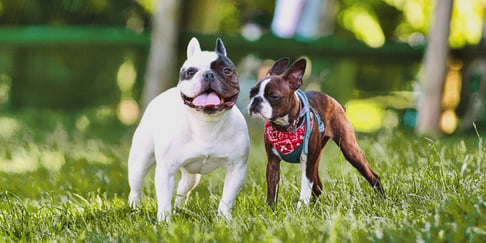
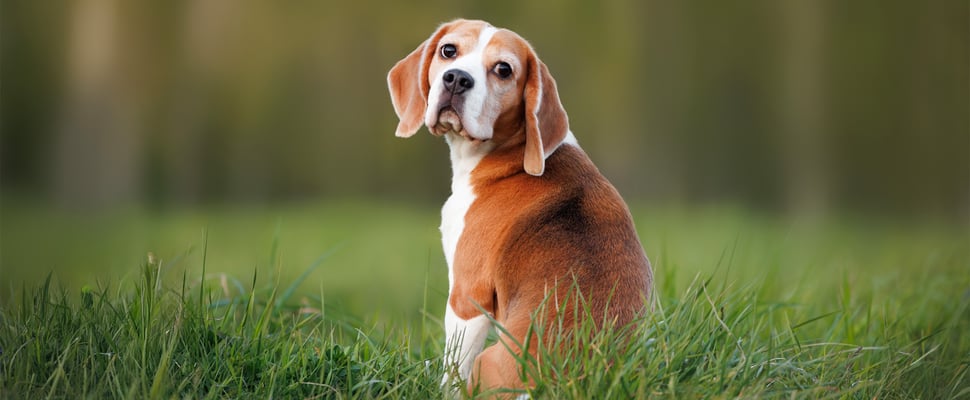
Beagles, French Bulldogs and Cocker Spaniels are also prone. The discs simply wear out faster in these dogs.
A sudden jump, rough play or even a twist can trigger the final pop. Most cases show up between three and six years old but it can happen anytime.
A huge 2022 review by the American College of Veterinary Internal Medicine looked at hundreds of cases and confirmed that thoracolumbar IVDD is the number one reason for sudden paralysis in dogs.
You can read the full details here: ACVIM consensus statement on diagnosis and management of acute canine thoracolumbar intervertebral disc extrusion.
Treatment options that work
The treatment depends on how bad it is. For mild pain only cases lots of dogs do brilliantly with conservative care.
Your vet may give strong pain relief, muscle relaxants and strict crate rest for four to six weeks. No running, no jumping, no stairs. Many improve fast once the swelling settles.
When a dog cannot walk or has a lot of pain, surgery is usually the way to go. A hemilaminectomy removes the disc material and takes the pressure off the cord. Success rates are high, often over 90 percent if you act quickly.
A 2020 review of what affects recovery showed that time really matters. Dogs operated on within 24 hours of losing deep pain have much better odds of walking again. See the study here: Prognostic Factors in Canine Acute Intervertebral Disc Disease.
Afterwards, physiotherapy and gentle exercises help build strength back up. Vets around the world have watched so many dogs go from barely moving to full zoomies again.

Prevention tips for at risk dogs
You cannot change the genes but you can stack the odds. Keep your dog at a healthy weight. Extra kilos put massive strain on those discs.
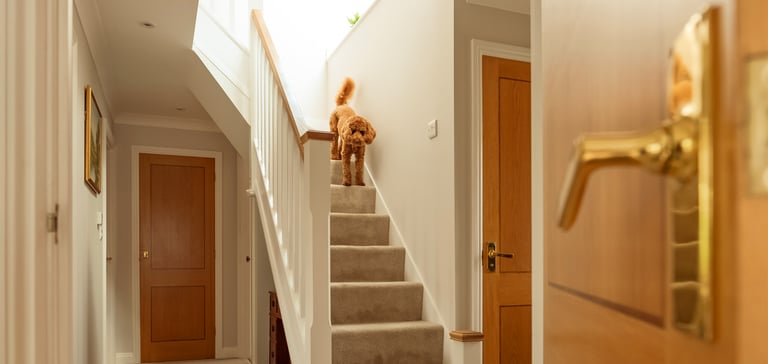
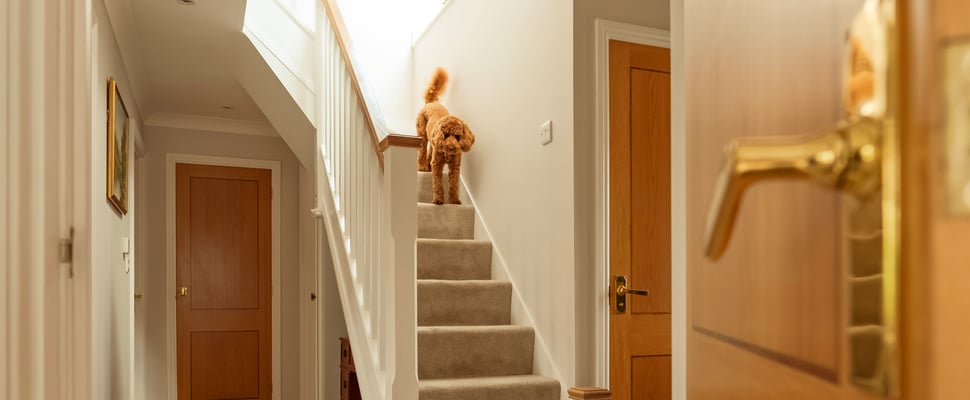
Use ramps for the sofa and car instead of letting them leap. Choose gentle play and avoid anything twisty or high impact.
Our guide to pet weight management has practical tips that really help. Use ramps for the sofa and car instead of letting them leap. Choose gentle play and avoid anything twisty or high impact.
For breeds like Dachshunds it is worth knowing the early signs inside out. Have a read of our Dachshund breed guide or the Miniature Dachshund breed guide. They are packed with breed specific info.
When to rush to the vet
Do not hang about with back pain. If your dog yelps, cannot stand properly or starts dragging their back legs get them seen the same day. The quicker the pressure comes off the spinal cord the better the outcome.
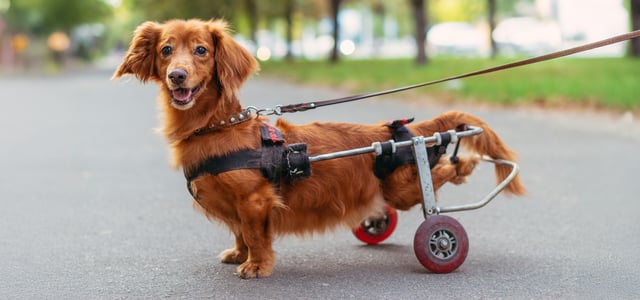
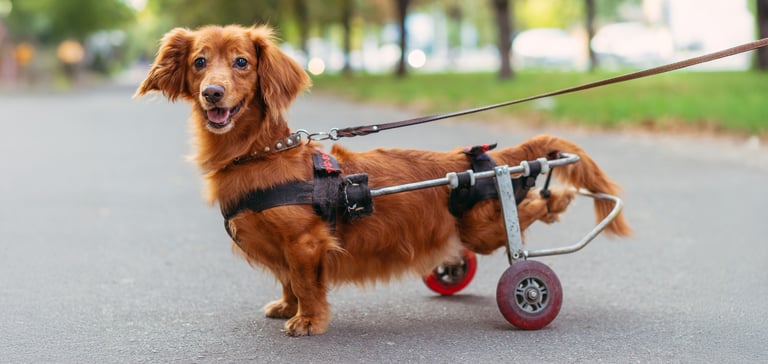
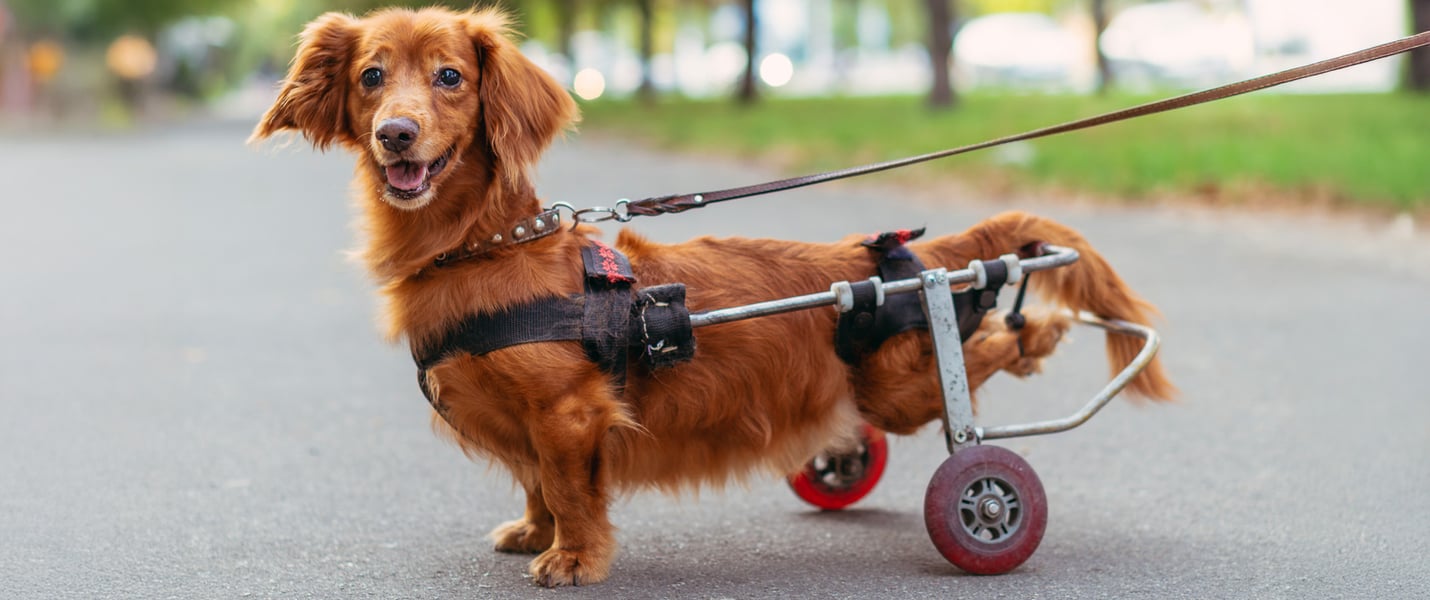
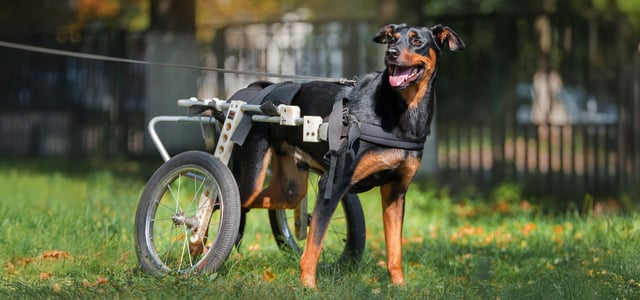
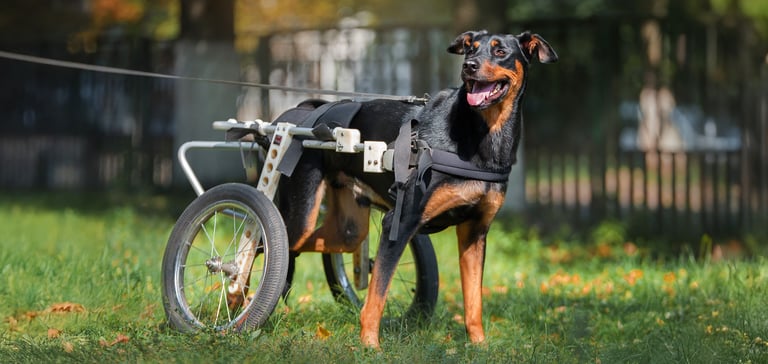
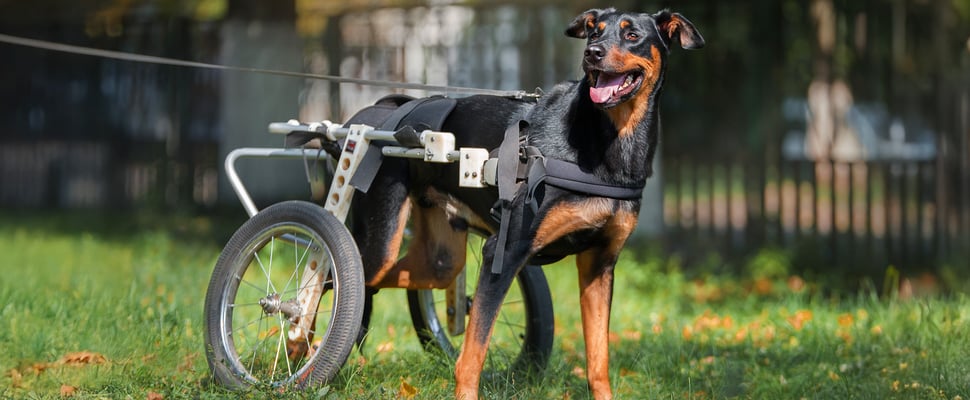
Most dogs with IVDD go on to enjoy happy active lives. Some need a little help (like a dog wheelchair at first) but plenty walk again and never look back.
We know how scary it feels when your dog suddenly hurts and you are not sure what to do.
Spot the signs early, get help fast and give them the rest and love they need.
Those tail wags and happy zoomies are worth every bit of care. Here is to strong backs and even stronger bonds with your dog.

From everyday questions to expert advice, we’ll help you feel confident in every moment of pet parenthood.
Less stress, more love.
Along with our excellent coverage, we offer access to a 24/7 online vet to answer all your sticky questions.