Summary
Index
Introduction
If your dog is in pain, the first clues are often small.
It could be a sudden change in mood, movement, or routine that just feels “not like them”.
Spotting signs of pain in dogs early can protect their quality of life and help your vet treat the cause before it turns into a bigger problem.
Key takeaways
Subtle signs matter: small changes in behaviour are often the earliest sign of pain.
Watch movement and comfort: stiffness, limping, and difficulty getting comfortable are classic clues.
Breathing changes can be important: fast breathing, night panting, and shaking could be a sign.
Always talk to your vet first about symptoms and safe treatment options.
When in doubt, record a short video (or use Joii if a Waggel member) and contact your vet. It can really help your vet decide next steps.
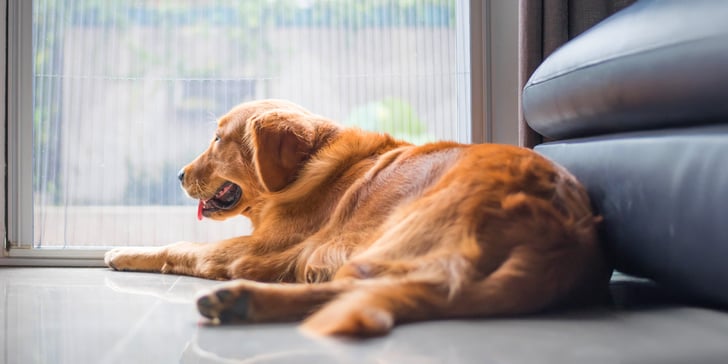
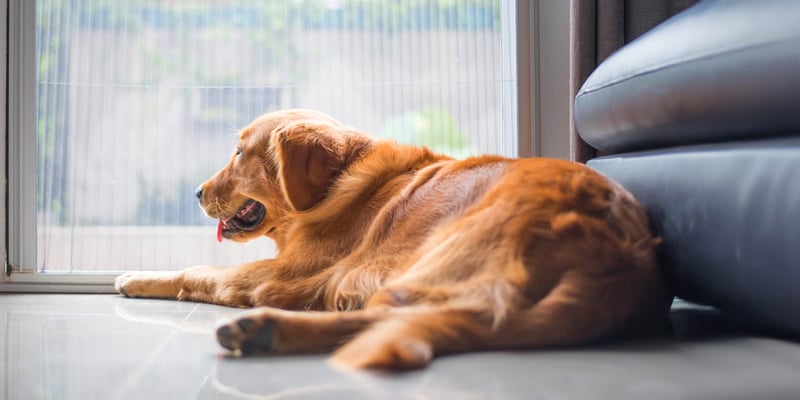
What pain looks like in real life (and why dogs hide it)
Why it can be hard to tell if a dog is in pain
Many dogs keep a brave face. It is instinct. If a dog in the wild shows weakness, it could be dangerous for them. In many cases, this inane behaviour carries over to the home.
So if you are trying to tell if a dog is hurting or sore, you often need to look for the “odd little things” you may notice at home, not big dramatic yelps.
Blue Cross also suggests that dogs can show pain through physical changes and behavioural signs, and you are often best placed to spot early shifts because you know what “normal” looks like for your dog.
Types of pain: acute vs chronic
Generally, there are two different types of pain:
If your dog’s stiffness has crept up over time, it may not be “just getting on a bit”. Chronic pain can quietly chip away at a dog's quality of life, especially in older dogs.
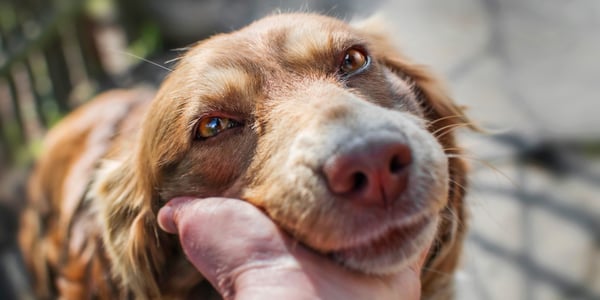
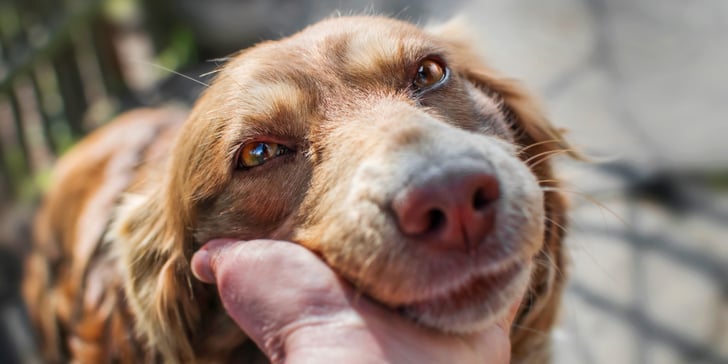
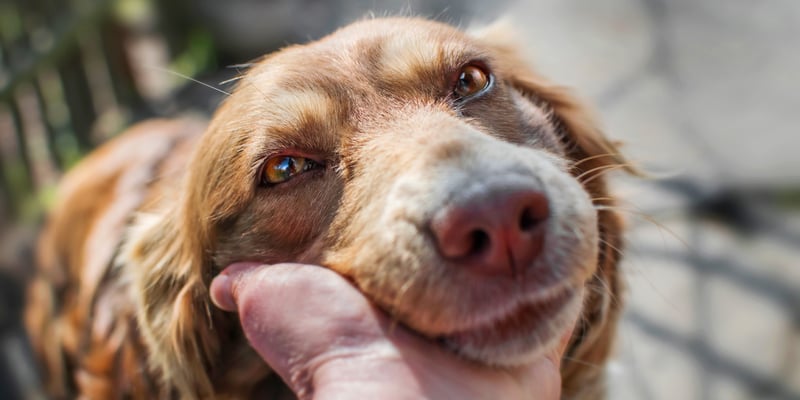
Common signs your dog is experiencing pain
As we've said, a big clue is behaviour. A dog in pain often acts “off” before they look “injured”. You might see:
Restlessness at night
Not wanting to be touched
Hiding, seeming grumpy, or snapping
Being clingier than usual
These changes are easy to dismiss as “mood”. But they can be a sign of pain or pain and discomfort.
If you want a quick body language refresher, this guide is useful: Why are my dog's ears back? Ears pinned back can be part of stress, fear, or pain or discomfort, depending on the moment.
Movement and posture clues
If you are trying to recognise whether your dog may be hurting, look at how they move and rest, so look for:
Limping or stiffness
Moving more slowly on walks
Hesitating at stairs or jumping
Posture changes (hunched back, head held low, weight shifted)
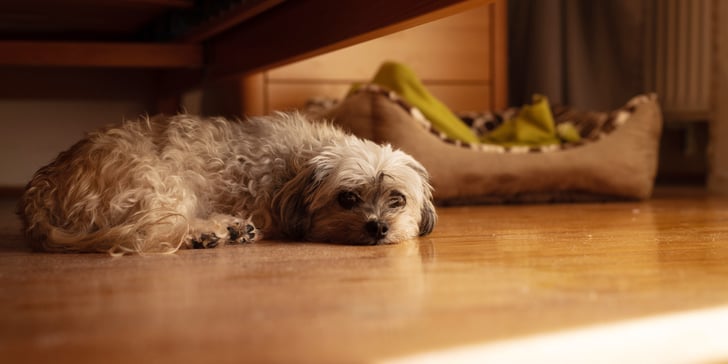
Repeatedly standing up and lying down, as if they cannot settle
These are common signs that pain may be getting in the way of their usual, bouncy self.
Panting, fast breathing, shaking, and other “weird” symptoms
Sometimes pain shows up as “odd body stuff”, especially when your dog is resting:
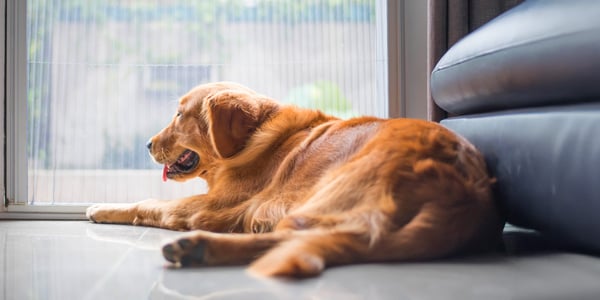
Panting when they have not exercised
Trembling or shaking
Panting can be normal. But if your dog is panting heavily at rest, it could be a sign that your dog is experiencing something they are not coping with. If the panting is happening at night, this article adds helpful context: dog panting at night, reasons why.
Eyes, mouth, and tummy clues
Sometimes the signs show up in other ways such as:
Weepy, squinty eyes
Drooling or unusual mouth symptoms
Tummy upset, stool changes
Foaming at the mouth
If you see any of these symptoms which are not getting any better, please call a vet immediately, but more on that below.

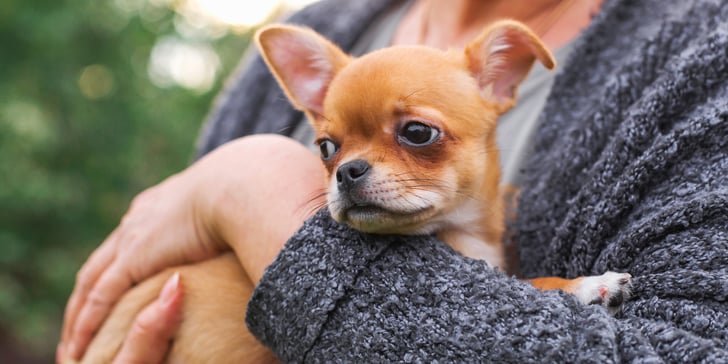
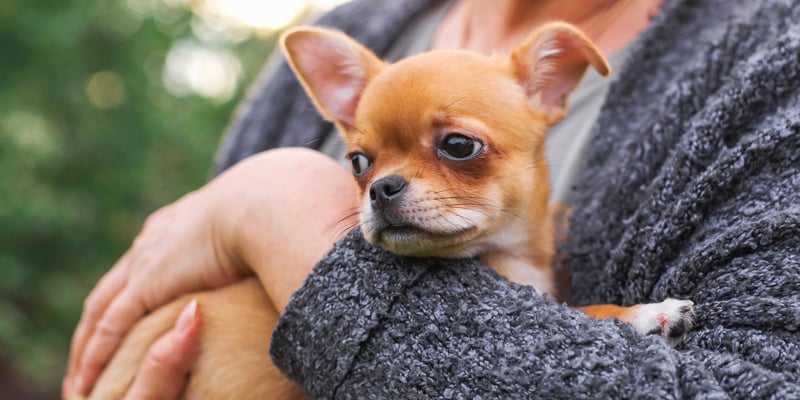
When to call the vet (and when it is an emergency)
“Call today” signs
It is usually time to talk to your vet if you notice changes that last more than a day, keep coming back, or are getting worse.
Call your vet promptly if:
Your dog is showing repeated limping or stiffness
There is a loss of appetite that is new
They seem withdrawn, snappy, or unusually quiet
You may notice changes in sleep and settling
You think your dog is always uncomfortable and it is not improving
If you are stuck in “Should I ring or not?”, a good rule is this: if the signs that a dog is unwell are new for you, trust your instincts and ask your vet.
Emergency now signs (do not wait)
This is “go now” territory. Your dog needs urgent help if:
Sudden collapse, severe breathing trouble, or very pale gums
Uncontrolled vomiting, severe bloating, or obvious severe abdominal pain
Suspected poisoning or severe tremors
Severe injury, uncontrolled bleeding, or extreme distress
Out-of-hours teams stress not taking a “wait and see” approach with sudden severe pain. (Vets Now).

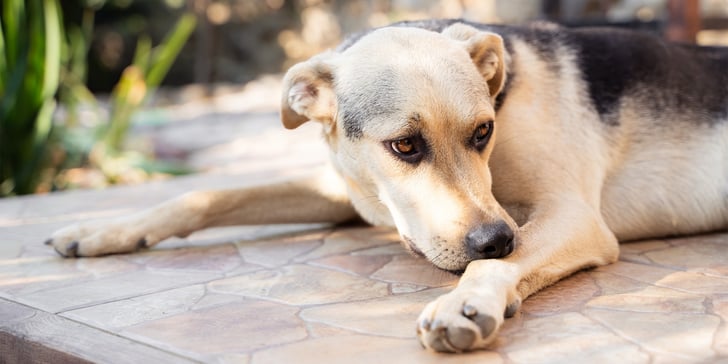
What the vet will do and how you can help
What happens at the appointment
A veterinarian will usually start with your notes plus a physical exam, then decide if tests are needed. In some cases, the vet may need X-rays or blood tests to pinpoint what is causing pain and decide the safest plan.
If you are curious about what happens in the consult room, this is a useful peek into decision-making, see our interesting behind-the-scenes at the vets' post.
The simple “home notes” that help your vet most
This is one of the best tips to help your dog quickly.
Before you go, jot down:
When it started
What makes it better or worse
Whether they struggle to get up to go outside
Whether you notice changes in your dog’s eating, sleep, or toilet habits
A 10-second video of the limp, panting, or odd posture
A short video is gold. Dogs often act “fine” in the clinic, like they are trying to fool the vet, but earn a treat.

Helping your dog feel better safely (without guessing)
If your dog is experiencing pain, the kindest thing is safe, vet-led pain management.
Depending on the cause, your vet might:
Advise rest and activity changes
Prescribe pain relief that is safe for dogs
Build a longer plan for chronic pain (for example arthritis) to protect your dog’s quality of life
If you are thinking, “Can I give your dog something from my cupboard?”, the safest answer is NO, please don't. Always talk to your veterinarian first. Many human painkillers are dangerous for dogs.
Small home changes that really help
While you wait for the appointment, you can help ease discomfort with simple changes:
Keep walks short and calm
Avoid stairs and jumping if that seems to hurt
Add rugs on slippery floors so they do not skid
provide a supportive bedUse a harness for steadier support, so you are not pulling at the neck
These changes can help keep your dog comfortable without masking symptoms.



One last reassurance
You are not being dramatic. You are being a good human and pet parent.
If you notice your dog acting oddly and your gut is nagging you, contact your vet and bring your notes. Early care can help your dog feel better, protect their quality of life, and get you both back to normal routines sooner.

From everyday questions to expert advice, we’ll help you feel confident in every moment of pet parenthood.
Get your quote
Along with our excellent coverage, we offer access to a 24/7 online vet to answer all your sticky questions.