Summary
Index
Introduction
Cataracts in dogs are one of those conditions that sneak up and steal vision bit by bit. The lens inside the eye turns cloudy and light cannot reach the back of the eye properly. It happens in young dogs and old ones alike.
The good news is that when spotted early, and with the right care, many dogs get their sight back and carry on with happy, active lives.
Plenty of owners go from worry to relief after treatment and it is honestly one of the most rewarding things to see your pet back to their silly selves.
Key takeaways
Cataracts make the lens of the eye cloudy which stops light reaching the retina and causes gradual or sudden vision loss.
The most common cause is genetics but diabetes is a huge trigger with up to 80 percent of diabetic dogs developing cataracts within a year.
Early signs include cloudy eyes, bumping into things, reluctance to jump or hesitation in low light.
Surgery called phacoemulsification is the gold standard and restores vision in 80 to 90 percent of suitable cases.
Not every dog needs or can have surgery but supportive care and regular checks keep comfort high even without it.
What exactly are cataracts in dogs?
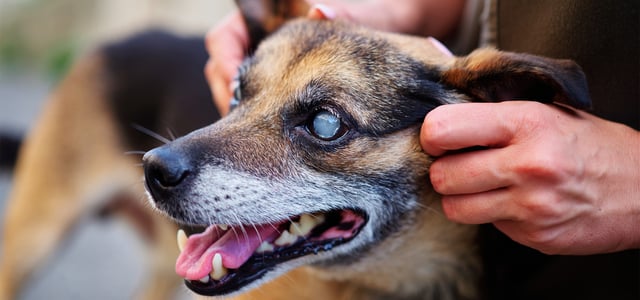
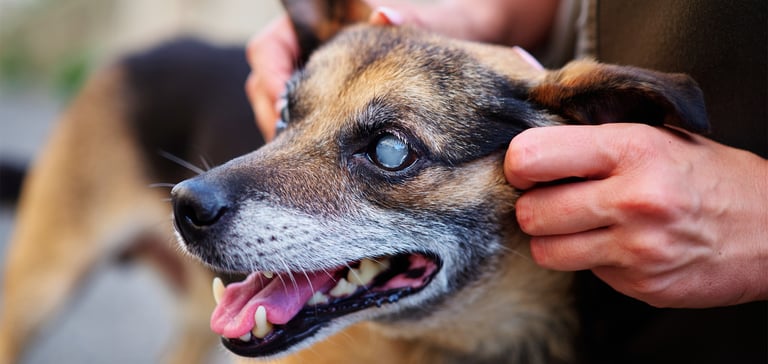
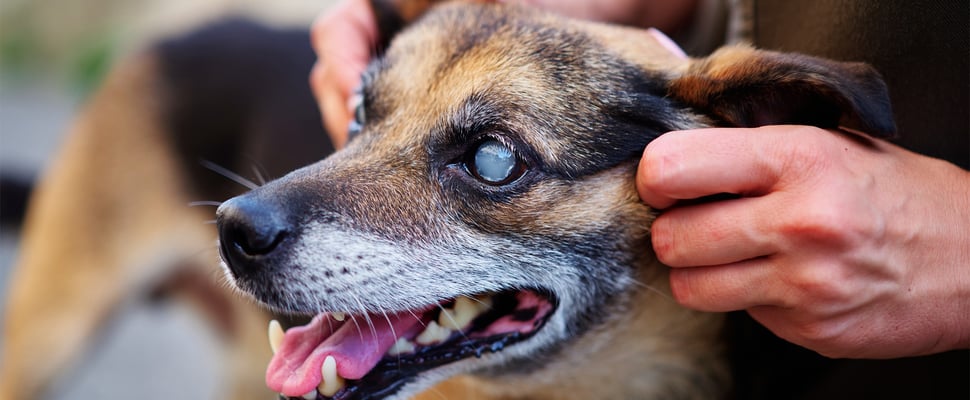
The lens in a dog’s eye is normally crystal clear so light passes straight through to the retina. With cataract proteins inside the lens clump together and turn the whole thing cloudy.
It is like trying to look through frosted glass. Vision fades and in bad cases it can lead to full blindness in the affected eye.
Cataracts come in stages. Incipient ones are tiny spots that hardly affect sight. Immature ones cover part of the lens.
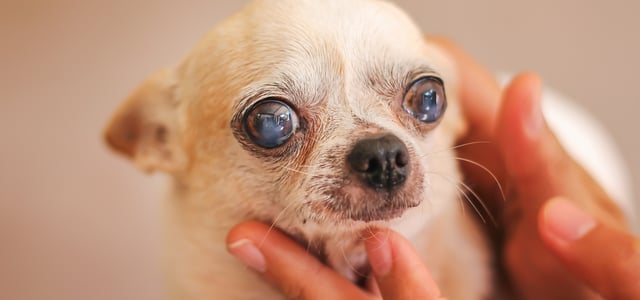
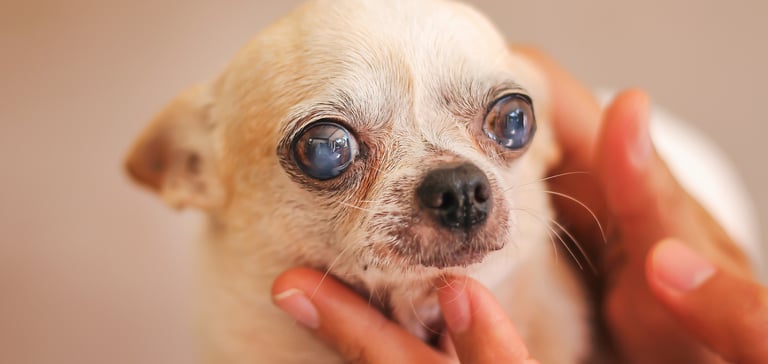
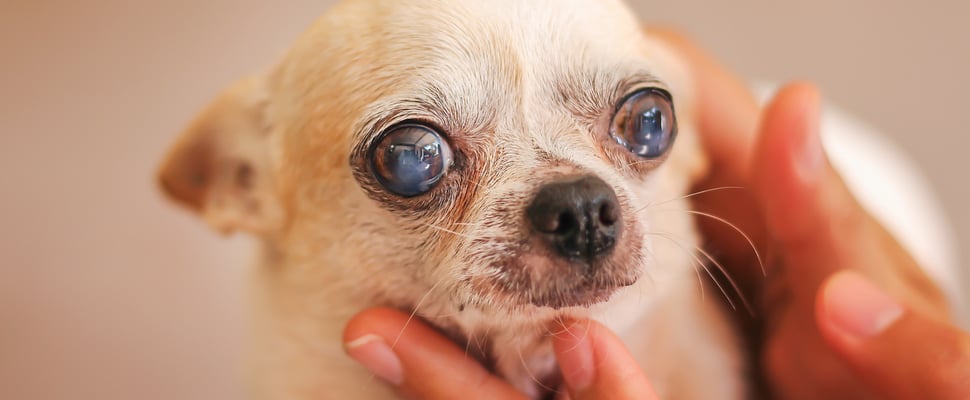
Mature ones make the eye look fully white or blue-grey and vision is badly hit. Hypermature ones shrink and can cause painful inflammation.
The Cornell Riney Canine Health Center has one of the best plain-English explanations of how it all works. You can read their full overview here: Canine cataracts – Cornell University Riney Canine Health Center.
Common signs owners spot first
Dogs are brilliant at hiding pain or weakness so the signs can be subtle at first. Here is a straightforward table of what most owners notice:
If your dog suddenly seems unsure on the stairs or stares blankly at a toy they normally love, grab a torch and check the eyes in a dark room. The cloudiness is often obvious even to the naked eye.
What causes cataracts?
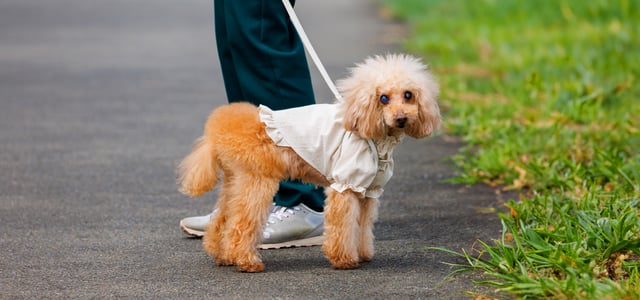
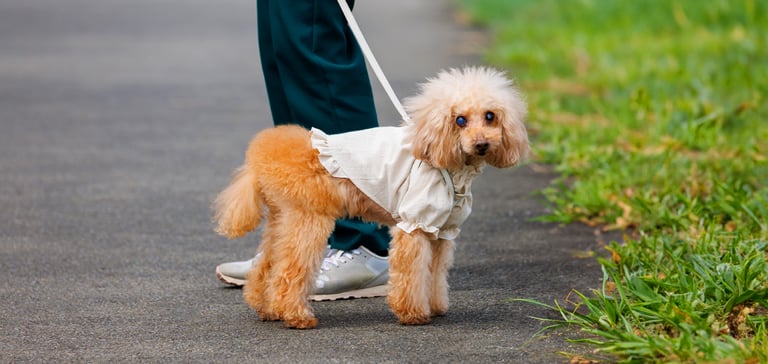
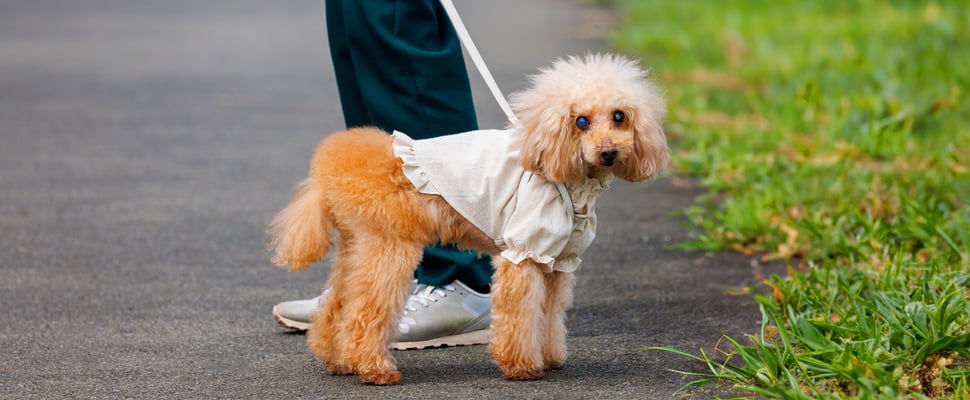
Genetics is one of the main causes and some breeds are far more prone because of inherited gene faults. Here are the ones we see it in most often:
Poodles (all sizes)
Labrador and Golden Retrievers
Cocker Spaniels
Bichon Frise
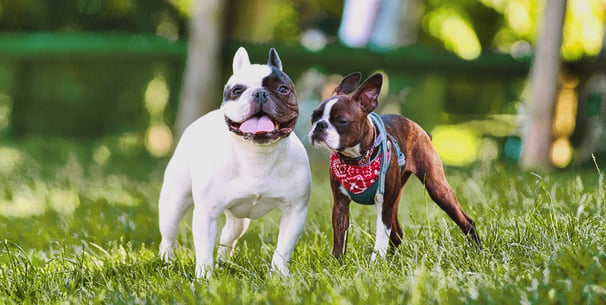
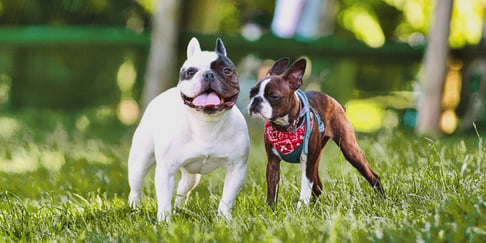
Boston Terrier
Siberian Husky
Diabetes is the second biggest culprit. When blood sugar stays high the lens soaks up extra glucose which turns into sorbitol and pulls water in. The lens swells and clouds fast. Up to 80 percent of diabetic dogs get cataracts within a year no matter how well their diabetes is controlled.
Other triggers include old age, trauma to the eye, chronic inflammation (uveitis) or even certain nutritional problems in puppies. A 2011 study published in the Canadian Veterinary Journal followed 77 eyes and found that untreated cataracts almost always get worse while surgery gave the best long-term results. You can read the full paper here: Cataracts in 44 dogs (77 eyes): A comparison of outcomes.
How vets diagnose it
Your vet will shine a bright light into the eye and use special drops to dilate the pupil. They look for the characteristic cloudiness and check for other problems like inflammation or retinal damage.
In many cases they refer you to a veterinary ophthalmologist for a full exam with ultrasound or electroretinography to make sure the back of the eye is healthy enough for surgery.
Treatment options that work
The only way to remove a cataract and restore vision is surgery. The modern technique is called phacoemulsification. The vet uses ultrasound to break up the cloudy lens and sucks it out then pops in an artificial lens. Success rates are high when done at the right time.
Here is a clear breakdown of the main options:
The 2011 study showed that dogs who had surgery were 255 times less likely to have complete failure compared with dogs left untreated. That is a massive difference. Surgery is usually done on both eyes if needed and most dogs go home the same day.
After surgery your dog will need eye drops for weeks and regular check-ups. Most bounce back quickly and start playing like puppies again within days.
Living with a dog who has cataracts
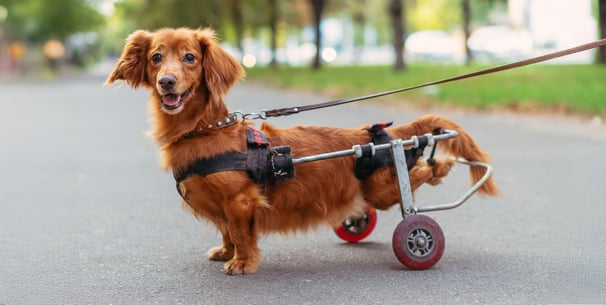
Dogs rely more on smell and hearing than sight so they adapt amazingly well. Use consistent routes on walks, keep furniture in the same place and add verbal cues like “step” before stairs. Many blind or partially sighted dogs still chase toys by sound and enjoy life just as much.
Prevention and early action
You cannot change genetics but you can lower the risk. Keep your dog at a healthy weight and get diabetes under control fast if it appears. Regular eye checks especially in prone breeds catch things early when surgery has the best chance. Puppies from breeders should have their parents’ eyes screened through schemes like the British Veterinary Association eye scheme.
For older dogs our guide to senior dog care has lots of tips on keeping them comfortable even when vision starts to fade.

From everyday questions to expert advice, we’ll help you feel confident in every moment of pet parenthood.
Less stress, more love.
Along with our excellent coverage, we offer access to a 24/7 online vet to answer all your sticky questions.