Summary
Index
Introduction
The beloved British Shorthair is a hugely popular pet in the UK. Not only for their "teddy bear" appearance, with dense coats, round faces, and stocky bodies, but also for their calm, affectionate, and independent temperament.
The good news is that you could enjoy 12 to 20 years of cuddles and purrs if you give them top-notch care - that's what Waggel is here to help with.
We all want our cats to stick around as long as possible so let's explore what makes these plush pals thrive.
Key takeaways
British Shorthairs often reach 12-16 years on average, with some even reaching 20 with good care, though studies show the median around 12.5 years.
They face risks like hypertrophic cardiomyopathy (HCM) and polycystic kidney disease (PKD), but screening helps.
Obesity is common, so watch portion sizes and only use high-quality food.
They can be slow to mature, reaching full development at three years of age so they need playtime and space to run.
Regular vet visits can help spot issues early, helping them live a long and healthy life.

Who are British Shorthairs?
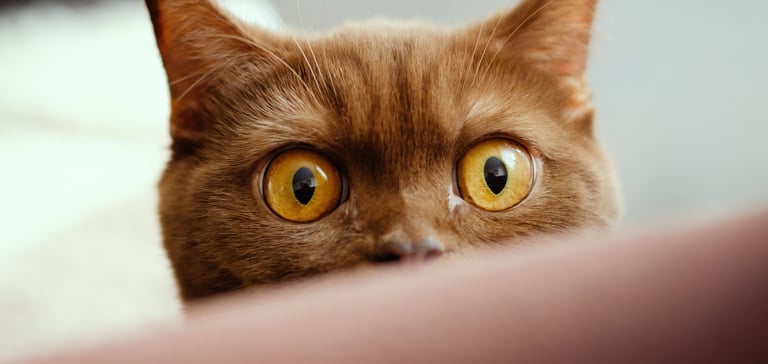
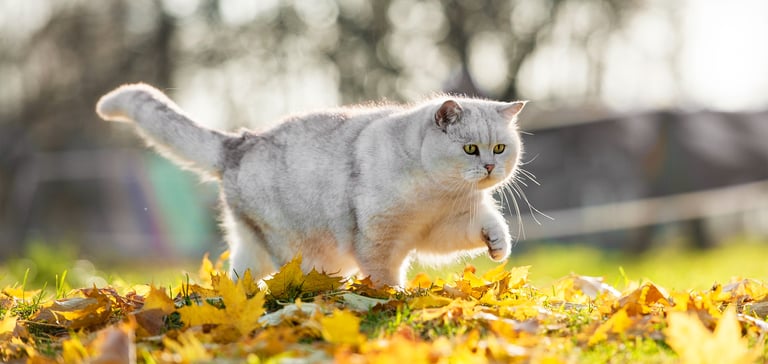
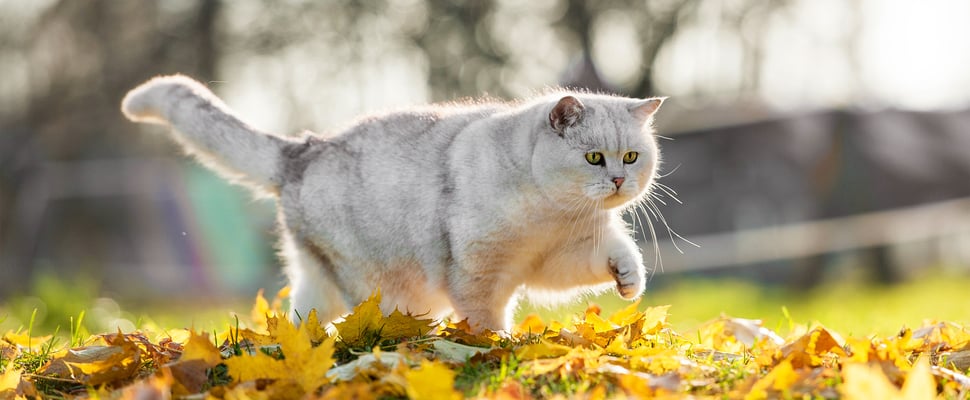
The British Shorthair cat is one of the most popular cat breeds in the UK. Picture a teddy bear with round eyes, a thick coat, and that famous Cheshire grin. Not surprisingly, they hail from the British Isles, and were the stars of the first-ever cat show in 1871.
British Shorthair cats are known for their personality: calm, loyal, and easy-going. They prefer quiet laps over wild chases. Check our full guide for more on the key characteristics of the British Shorthair.
In terms of care, you should groom a British shorthair coat weekly to cut shedding and hairballs. They do shed seasonally but stay plush year round.
What is the average lifespan?
A British Shorthair’s lifespan sits at 12 to 20 years in a few cases. Though figures vary, a UK based vet study pegged it at 9.58 years on average (UK cat life expectency - study). Swedish data shows over 82% hit 10 years, 54% reach 12.5 years.
So life expectancy varies, but with frequent vet visits, cats can live longer due to early diagnosis and treatment.
Female cats and male cats show no big gap but long life expectancy comes from smart habits and lots of love.
What affects their lifespan?
Many things shape how long your shorthair cat stays with you. Genes play a role but lfestyle seals the deal.
Genetics and the breeder choice
Pick a breeder who tests for issues. Modern British Shorthair lines mix with British Longhair or others. This is a practice stemming from historical efforts to stabilise the breed after World War II and ongoing efforts to expand the gene pool.
True British stock avoids weak spots. The Governing Council of the Cat Fancy sets standards.
The main issues is polycystic kidney disease (PKD). See this polycystic kidney disease reported in British Shorthairs for more analysis. Responsible breeding can help cut kidney disease.
Diet and weight watch
Prone to obesity, they pack on pounds fast. Feed them quality cat food rich in vitamins and minerals. You should also choose a food that includes lean protein to help maintain a healthy weight.
Health and growth thrive on balance. Keep your British pal trim for helping to avoid various health problems and have many happy years together.
Daily care and environment
British Shorthair characteristics suit flats. They need playtime and toys. Explore their surroundings safely indoors. Regular nail trimming keeps claws tidy.
Vet visits catch woes early. Caring for a British Shorthair means routine checks.


Common health problems
Health problems hit some Shorthairs harder, That's why proper breeding is so important. They can suffer from various health risks which require attention. These include:
Heart issues like HCM
Hypertrophic cardiomyopathy causes the heart to thicken, risking congestive heart failure. Males face 20.4% odds (British Shorthair hypertrophic cardiomyopathy (HCM) overview). Check this HCM prevalence in British Shorthairs (study from Denmark) for more information on the rates.
A good pet owner will test breeding males. Early diagnosis and treatment saves lives.
Kidney and urinary woes
As we have said previously, PKD cysts grow in kidneys. Watch for excessive thirst as a first indicator. If your cat drinks loads, see why is my cat drinking a lot of water.
Cystitis in cats or cat urinary infections can be an issue as well. You can read up on these issues here: cystitis in cats and cat urinary infections.
A quick look
Here's a quick guide to common issues, signs and prevention
A longer, healthier life for your British Shorthair
British Shorthairs are wonderful family pets who generally live a long life. Just keep an eye on their weight (this breed can get a bit “round” without meaning to), make play part of the routine, and don’t underestimate hydration, especially if they’re fussy drinkers.
A good brush a couple of times a week helps with shedding, but it’s also your chance to spot the small stuff early, like lumps, sore spots, or a change in coat condition.
If you’ve got pet insurance in place, those decisions are easier to make in the moment. You can focus on what your cat needs, rather than what you can stretch to. With consistent care and a bit of planning, your British Shorthair can stay happy, comfortable, and wonderfully chubby-cheeked for many years to come.

From everyday questions to expert advice, we’ll help you feel confident in every moment of pet parenthood.
Less stress, more love.
Along with our excellent coverage, we offer access to a 24/7 online vet to answer all your sticky questions.