Summary
Index
Introduction
The British Shorthair started life as a practical mouser, growing into one of the UK’s best-loved show cats, and a firm family favourite.
With deep roots in Britain, this beautiful feline's origins trace back to ancient history but their major recognition came at Victorian-era shows.
Today they are known for their calm, charming demeanor and distinctive teddy bear appearance.
Key takeaways
The history of British Shorthair cats begins with sturdy local mousers and later selective breeding in Victorian Britain.
The 1871 Crystal Palace event is central to the breed's history, shaping judging standards.
Today, the British Shorthair breed is one of the UK’s most popular pedigree types
They are lovely family pets, but they can gain weight easily, so good cat care matters.
Early roots in Britain
The story of the British Shorthair cat starts long before modern pedigrees.
The history of the type descends from the traditional British domestic cat, mixed with Roman-era arrivals.
One of the key players in the breed standard, TICA notes that the Romans first brought domestic cats to Britain from Egypt by way of their vast road and trade network.
Although in their early days in Britain, they were working cats first. They were not bred for awards and ribbons,they were bred for necessity as they tended to be hardy, useful, and good around homes and stores. Think less velvet lap cushion, more granary rat patrol.
Additionally, we all know that the Egyptians revered cats, and if you're interested in the history, have a look at this research from the Natural History Museum with amazing information about mummified pets and how domestic cats shaped the ancient world.
The Victorian rise of the cat fancy
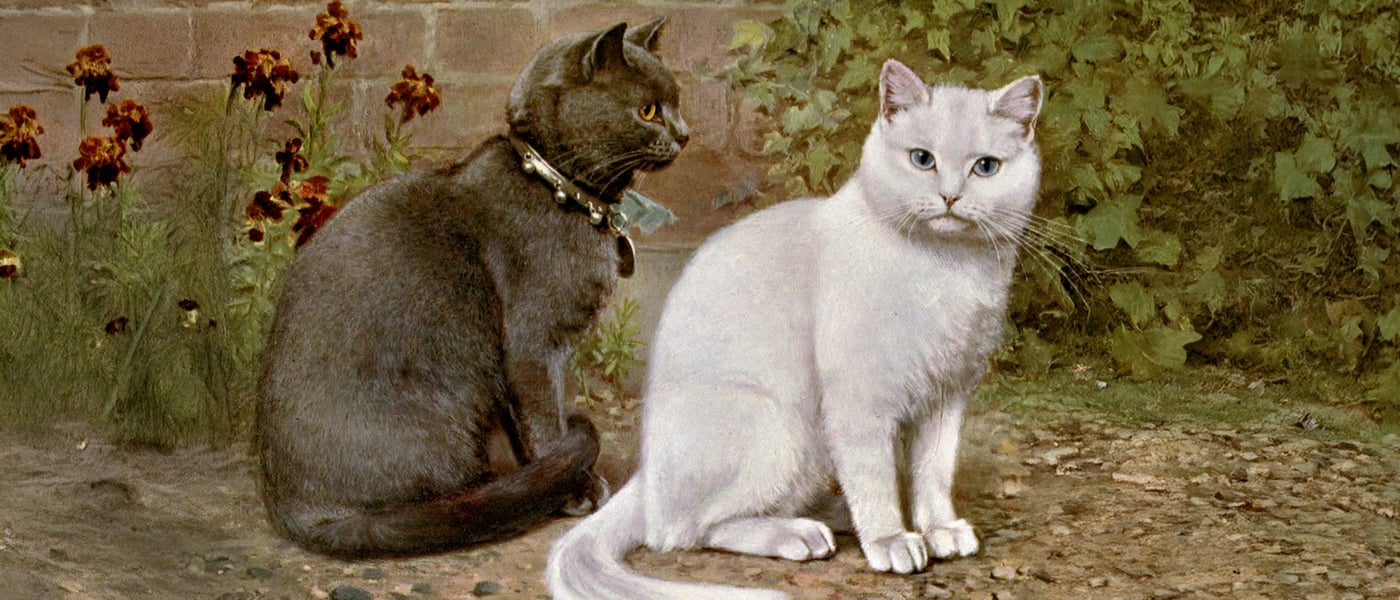
The Victorian era changed everything for this cat breed. GCCF records that on 13 July 1871, the UK held a major show at Crystal palace, where “English Shorthair” cats appeared as the stars and forerunners of the modern breed.
GCCF also credits Harrison Weir with drawing up early judging standards and later founding the National Cat Club in 1887.
There is one useful bit of nuance here. The British Newspaper Archive highlights historical newspaper records from the 1870s that point to a man named Fred Wilson and his pivotal role in organising early Crystal Palace events.
He also supported Weir’s huge influence on standards and the growth of the cat fancy. It is a nice reminder that history is constantly evolving as we have access to more information.
If you want to explore that period, use archived reports from the first organised cat shows for period coverage and context on early judges, entries, and prize culture.
This was also the era when cat fanciers, the early cat club scene, helped shape what became formal breeding and exhibition culture in Britain.
The roots of today’s clubs are right there in those Victorian halls.
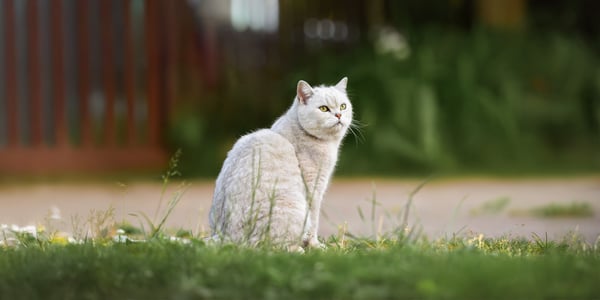
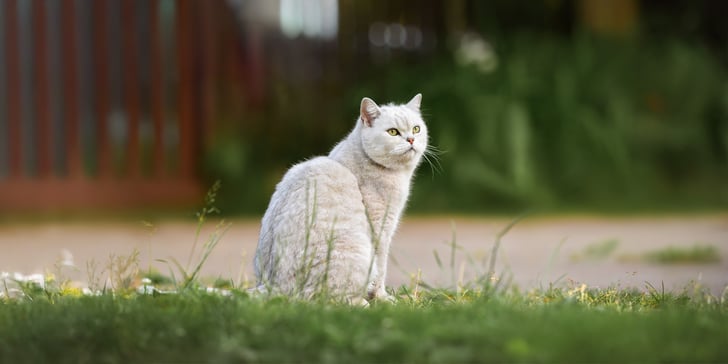
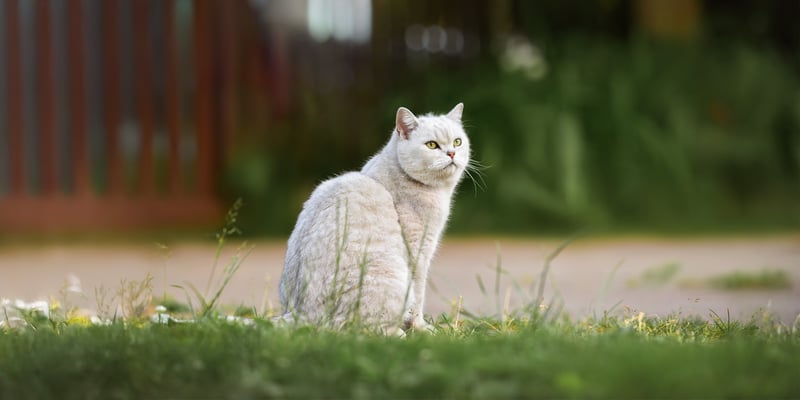
From street cat to pedigree icon
One reason the British breed stands out is that breeders aimed to keep the local, sturdy type and refine it, not replace it.
GCCF describes Weir’s admiration for the humble street cat, and how selective breeding turned that robust look into a recognisable standard.
Over time, the pedigree cat world became more formal, and today the breed is recognised by the UK’s official cat registry, often referred to as the council of the cat fancy and formally the governing council of the cat.
GCCF also confirms the breed’s huge popularity in the UK, noting that around half of its yearly registrations are British Shorthairs.
For global context, TICA, or the International Cat Association, also recognises the breed and outlines its history, personality, and development, including wartime recovery and later registration milestones. This helps explain how an old local type became an international cat breed and success story.
If you are new to pedigrees, this guide on what a pedigree cat is is a helpful companion read.
The look that made them famous
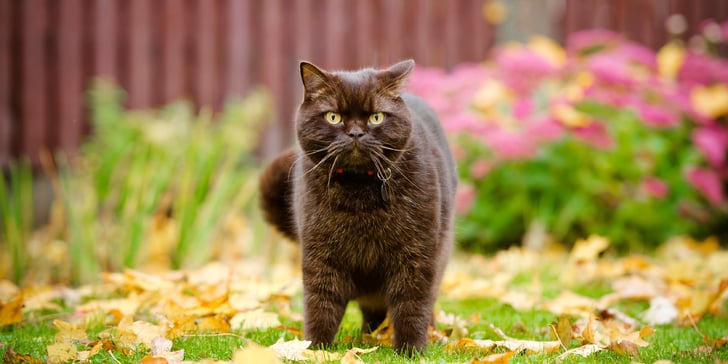
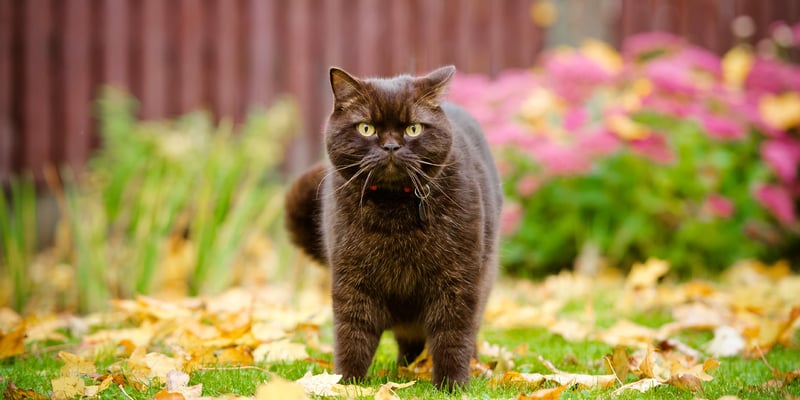
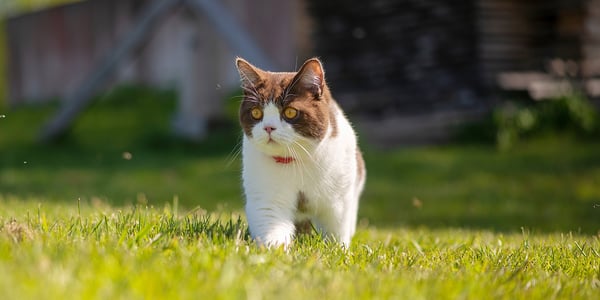
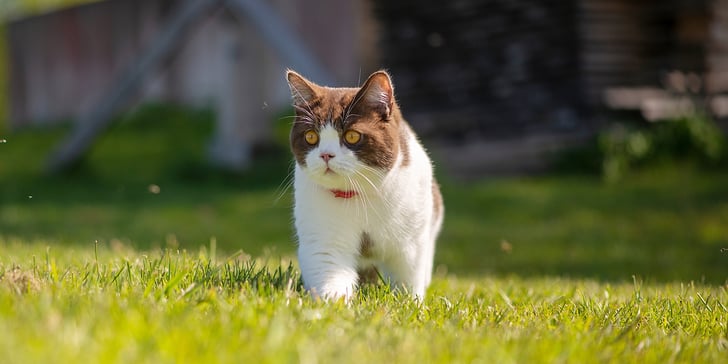
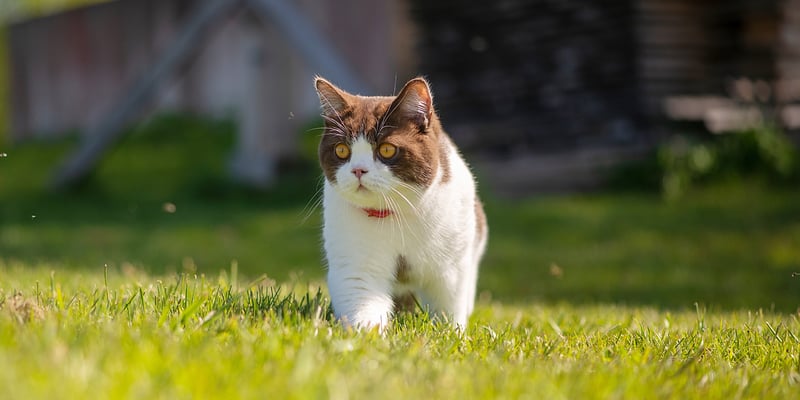
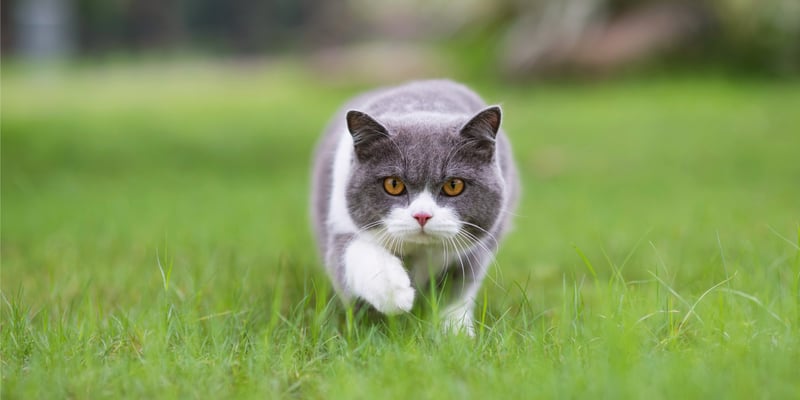
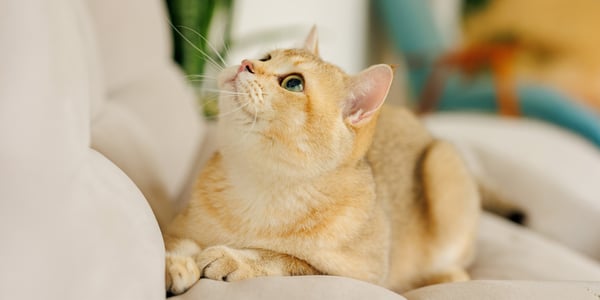
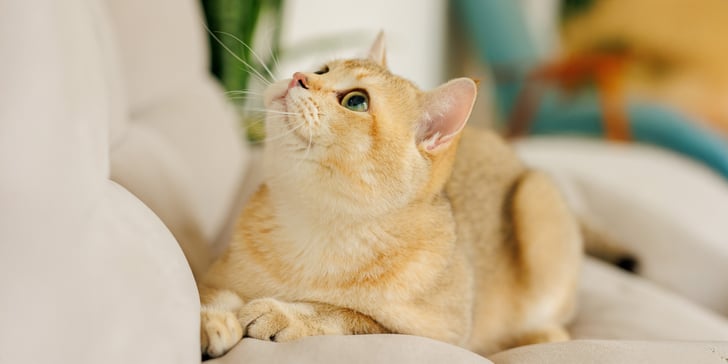
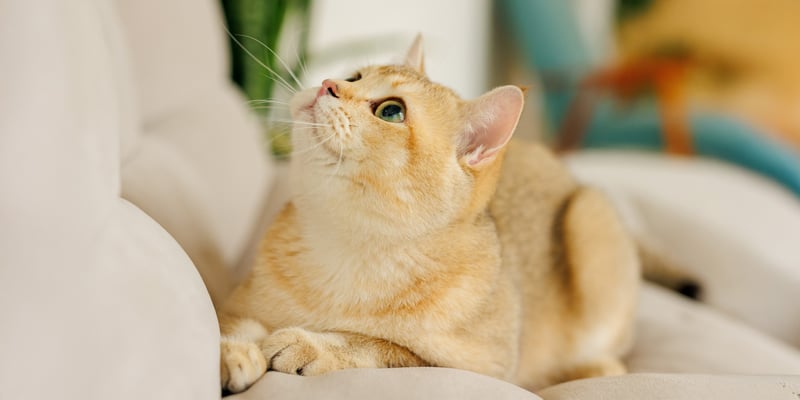
The physical characteristics of the British type are part of the reason this breed became a show favourite. GCCF’s standard describes a compact, powerful body, broad chest, short legs, thick tail, and a dense short coat. It is a lot of cat in a neat package.
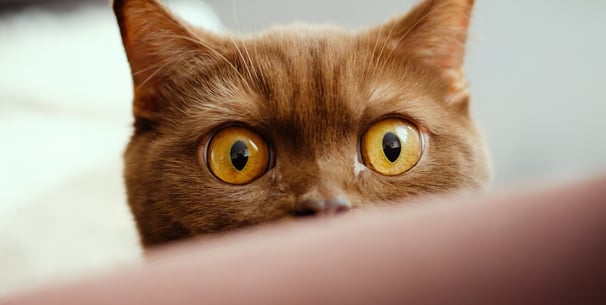
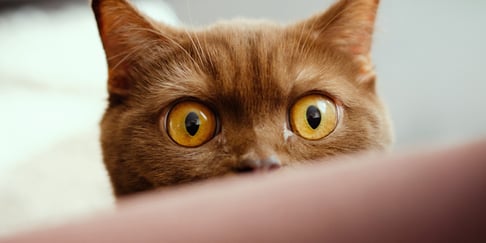
People often notice the coat first, then the piercing yellow, copper, or deep orange eyes. Their coat is dense and springy, and that soft, dense feel is why owners describe it as super plush.
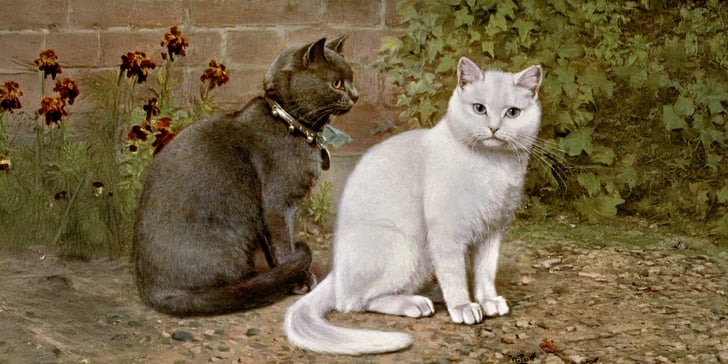
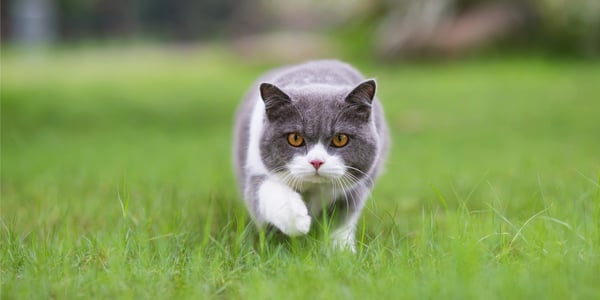
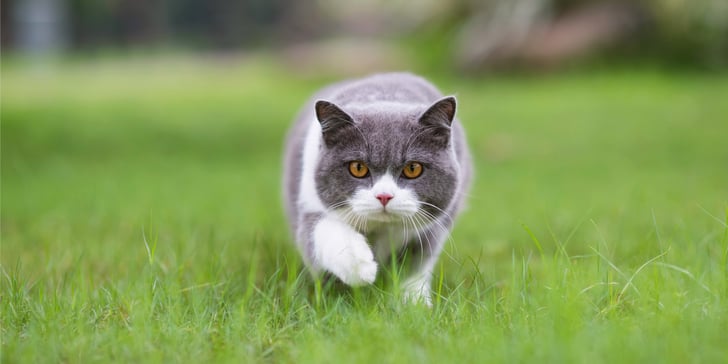
The classic colour is called the British blue, or sometimes referred to as a Blue Shorthair, and TICA notes blue remains the most popular colour.
You may also see tabby patterns and many other colours in shows.
Their rounded face and cheeky cat smile (or look of consternation) are a big part of the charm. Some people even liken them to that famous feline, the Cheshire Cat from Alice in Wonderland.
Crosses, longhair lines, and wartime recovery
In the early days, the ‘Blue Shorthair classes’ were actually made of different types, including what we now separate as the Russian blue and British.
Later crossings with Persian lines, especially around and after the world wars, were created in order to rebuild numbers.
That is where Shorthair crosses, and long-haired cats enter the story.
The long hair gene came from these Persian cats, with long-coated offspring later added to the recognised British longhair line. GCCF separately recognises British Longhair today.
European and American Shorthair cats share some visual overlap, but they developed under different standards and histories.
Breed standards and showing today
In modern showing, the breed is judged on type, balance, coat, and expression. GCCF’s standard is still reminiscent of the first cat show but in a modern format. You can see how Victorian ideas evolved into today's formal scoring.
Also, being Recognised by the Governing Council of the Cat Fancy, the breed remains a major part of UK show life.
Choosing a breeder
If you are planning to speak with a cat breeder, ask about health, temperament, and socialisation, not just colour.
A good breeder will talk openly about lines, lifestyle fit, and why the modern British Shorthair is best matched with owners who like a calm companion.
If you’re looking for a new pet, or for more information, Waggel’s post on the most common cat breeds in the UK is a helpful read.
Why they’re still loved just as much today
Now, as ever, British Shorthairs are a true balance of charm and substance.
If you are looking at bringing one into your family, get ready for a lovely new friend who is friendly, but not overly clingy.
And who can resist their unique look? With their colourful eyes and funny facial expressions, they are a joy to have in any home.

From everyday questions to expert advice, we’ll help you feel confident in every moment of pet parenthood.
Less stress, more love.
Along with our excellent coverage, we offer access to a 24/7 online vet to answer all your sticky questions.