Summary
Index
Introduction
At Waggel, we spend a lot of time thinking about dogs; how they live, how they’re cared for, and, perhaps more tellingly, what they’re called. A dog’s name might seem like a small detail, but it often says a lot about how we see our pets and the role they play in our lives.
Looking at our latest data, we set out to understand which names UK dog owners are choosing right now. What we found was a list full of familiar favourites, and one very clear pattern: short, two-syllable names continue to dominate.
The UK’s top 10 dog names
Based on our data, these are currently the most popular dog names across the UK:
Luna
Bella
Poppy
Lola
Daisy
Ruby
Willow
Rosie
Coco
Molly
It’s a list that feels instantly recognisable. These names are friendly, approachable, and easy to say, qualities that matter more than you might think when you’re calling your dog across a busy park.
Why short names continue to come out on top
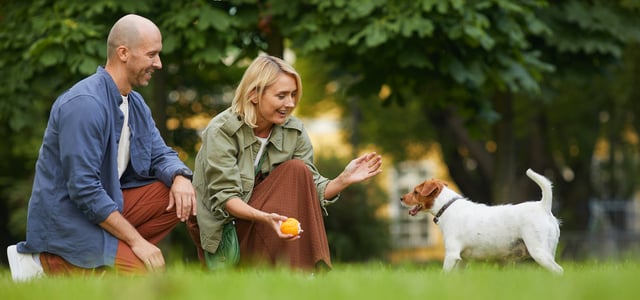
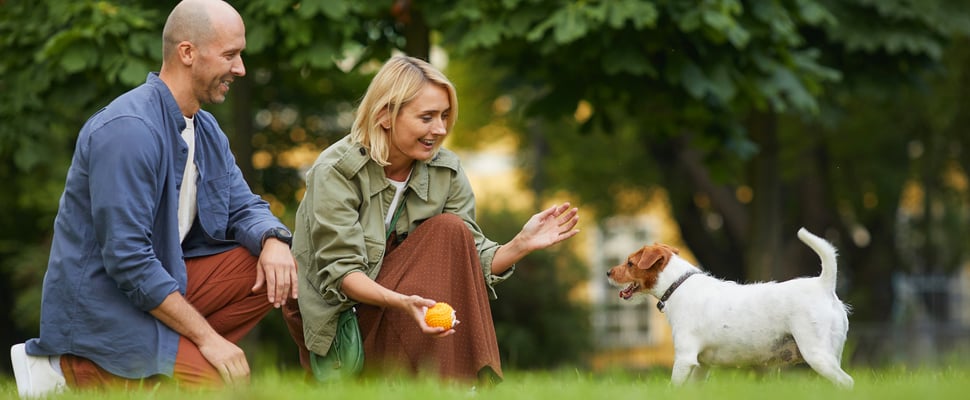
One of the most consistent trends we see is the dominance of one and two-syllable names. Almost every name in the top 10 fits this pattern, and it’s something we’ve observed year after year.
From our perspective, this isn’t just a stylistic choice; it’s quite a practical one. Shorter names are easier to say quickly and clearly, especially in environments full of distractions. Whether you’re at home, on a walk, or trying to get your dog’s attention in a crowded space, clarity matters.
Behaviourist Junior Hudson from Animal Companion Wellness explains it well:
“Some people say the idea that dogs respond better to two-syllable names is a myth, but in my experience, there’s definitely something in it. Short names tend to be easier for dogs to hear clearly and distinguish from background noise. Two-syllable names also lend themselves to a natural rhythm and variation in tone, which can make them more attention-grabbing when you’re calling your dog in a busy park.”
That rhythm (think a singsong-y “Lu-na” or “Bel-la”) creates a natural rise and fall in sound, which can help a dog pick out and hear their name more easily from everything else going on around them.
The influence of culture and everyday life
As with most naming trends, what’s happening in wider culture also plays a role. We often see names rise in popularity alongside films, TV shows, and books.
“Luna” is a good example. It’s a soft, simple name, but it’s also been reinforced over time by cultural references like Harry Potter. That kind of familiarity tends to stick.
We also see a strong preference for nature-inspired names like “Willow” and “Daisy.” These feel calm, gentle, and timeless, qualities many owners associate with their dogs.
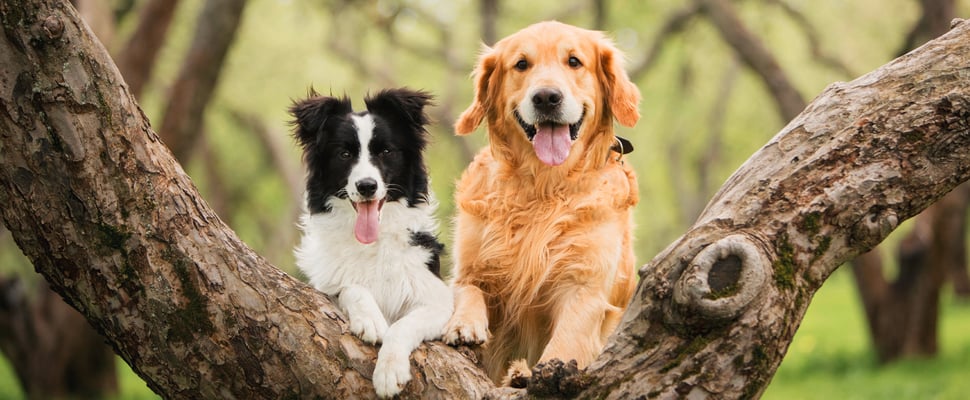
Dogs are family, and their names reflect it
Another pattern that stands out in our data is the crossover between dog names and human names. Names like “Molly,” “Ruby,” and “Rosie” wouldn’t feel out of place in a classroom, and that’s not a coincidence.
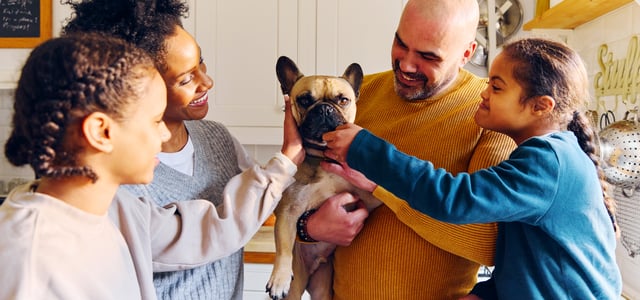
From what we see, more owners are treating their pets as full members of the family and naming them accordingly. Choosing a “human” name can feel more personal and more reflective of that bond.
Our Head of Data, Jonathan Dankers, puts it like this:
“We love seeing the names our customers give their pets. Popular choices often reflect wider pop culture trends like Luna, which has been a firm favourite for years. We’re also spotting trendy human baby names making their way onto the list. Ziggy, recently chosen by Jamie Laing and Sophie Habboo, has jumped into the top 10 for dogs at number nine. I wouldn’t be surprised if their choice helps push its popularity even higher in the coming years.”
The role of social media in naming trends
From our point of view, social media is accelerating these trends. Dogs with short, distinctive names are easier to remember and easier to share. Names like “Coco” or “Lola” feel clean, catchy, and instantly recognisable.
As more owners share their pets online, certain names naturally gain more visibility. Over time, that familiarity can influence new owners when they’re choosing names of their own.
What we’ve learned about choosing a dog’s name
Looking at the data as a whole, a few clear takeaways stand out.
Shorter names tend to work better in everyday life. They’re easier to call out and easier for dogs to recognise. Two-syllable names, in particular, strike a balance between simplicity and rhythm.
It’s also worth avoiding names that sound too similar to common commands, as this can create confusion during training. And while trends can be helpful inspiration, the most important thing is choosing a name that feels right for your dog and your routine.

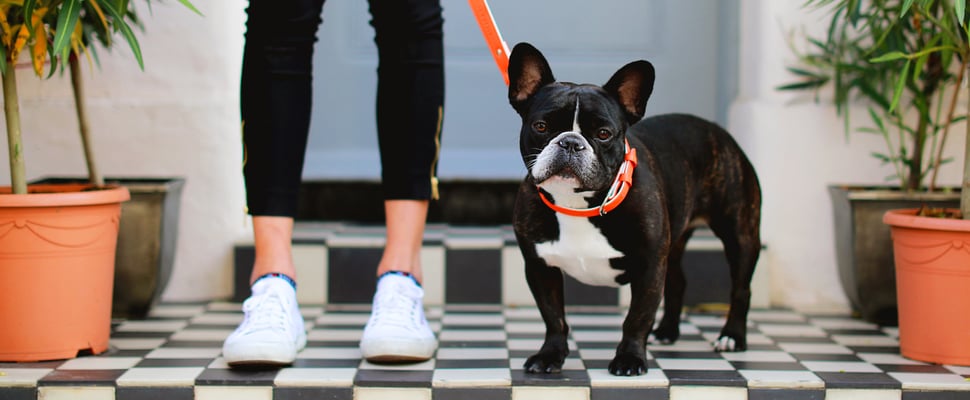
Are unique names losing ground?
While there will always be space for unusual or creative names, our data suggests that most owners still lean towards names that are proven to work. Familiar, easy-to-use names continue to outperform more complex or unconventional choices. That doesn’t mean individuality is disappearing, just that practicality tends to come first.
For us, this data is about more than just names. It offers a small but meaningful insight into how people across the UK see their dogs. The popularity of soft, human-like names reflects the emotional connection owners have with their pets. At the same time, the preference for short, clear names shows an understanding of what works in real, everyday situations.
A final note
From everything we’ve seen, it’s clear that two-syllable names aren’t going anywhere. They’re simple, effective, and easy for dogs to recognise; qualities that matter far more than novelty.
Whether it’s Luna, Bella, or something a little less common, the best dog names tend to follow the same principle: keep it clear, keep it natural, and make sure it’s a name you’ll be happy calling for years to come. And as our data continues to show, sometimes the most popular choices are popular for a reason.

From everyday questions to expert advice, we’ll help you feel confident in every moment of pet parenthood.
Less stress, more love.
Along with our excellent coverage, we offer access to a 24/7 online vet to answer all your sticky questions.