

Summary
Index
Choosing a vet is one of those decisions pet owners often make quickly. You move house, get a puppy, adopt a rescue cat, search online for ‘vet near me’, and register with the first practice that seems decent. But the truth is, your vet could become one of the most important people in your pet’s life.
They’re there for the first vaccinations and the frantic emergency appointments. For the mysterious stomach upsets, the worrying lumps, the middle-of-the-night panic Googling, and eventually, when the time comes, the hardest goodbye. A good vet helps you care for your pet through every stage of their life and does more than just treat them. This is why choosing the right practice matters more than many owners realise.
In this guide, we’re taking a closer look at how to find one worthy of your trust.
Remember: it’s not just about choosing a clinic
Choosing the right vet essentially means choosing the people who will care for someone you love. That means this decision should go beyond postcode convenience or whichever practice has the best-designed website or introductory offer.
Of course, location matters, especially in an emergency, but a vet practice should offer more than proximity. They should make you feel confident handing over the lead or carrier, they should make your pet feel safe, and they should treat both of you with the care, patience, and empathy you deserve.
Watch how they treat your pet, not just how they treat you
A warm receptionist and a polished waiting room are nice. But what matters most is how the team interacts with your animal.
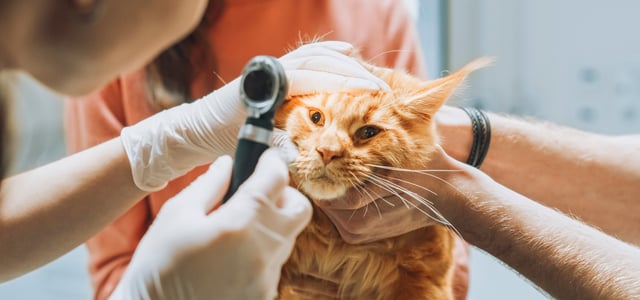
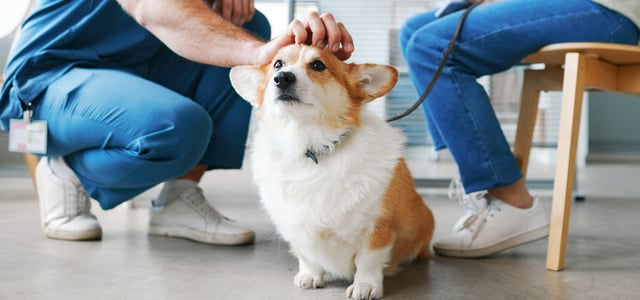
Do they crouch down to greet your nervous dog? Do they give your cat time to adjust before handling them? Do they speak calmly and gently during exams? Or does everything feel rushed and overly clinical? The best vet practices understand that emotional care is part of medical care.
For many pets, vet visits are stressful. Practices that prioritise fear-free or low-stress handling can make an enormous difference to your pet’s wellbeing over time.
Find a vet who actually listens
One of the most underrated qualities in a vet is simple: listening.
You know your pet’s normal better than anyone. You notice when they’re ‘just not quite themselves’ long before symptoms become obvious, and a good vet respects that.
They won’t dismiss your concerns because blood work looks normal or because your dog appears fine in the consultation room. They’ll understand that owners often spot subtle changes first. You should leave appointments feeling heard, not brushed off, rushed through, or embarrassed for asking questions.
If you don’t feel comfortable speaking openly with your vet, they may not be the right one.
Look into the services they offer before you need them
No one wants to think about worst-case scenarios when registering with a vet. But this is exactly when you should. Before committing to a vet, it’s a good idea to ask what the practice can offer beyond routine appointments, and to find out what happens behind the scenes.
Do they provide:
In-house blood testing?
X-rays or ultrasound?
Dental procedures?
Surgical facilities?
Emergency or out-of-hours care?
Separate cat and dog waiting areas?
Knowing what a practice can handle internally may save time, money, and stress if your pet ever needs more complex treatment.
At Waggel, we offer all policy holders a vet triage service which is a pre-vet consultation process to help determine if your pet needs to visit a vet practice or not.
Read reviews and focus on the emotional ones
Reviews can tell you a lot, but not all five-star ratings are equal.
The most useful reviews aren’t the ones saying ‘easy to book’ or ‘nice staff’. They’re the ones describing how the practice handled a scared rescue dog, how a vet stayed late during an emergency, or how staff supported someone through an end-of-life appointment with compassion.
Technical skill is always expected, but kindness under pressure is what sets great practices apart and shows you that your pet will always be in safe hands.



Be realistic about costs, but don’t shop on price alone
Vet fees vary widely, and while affordability matters, the cheapest is rarely the best benchmark. Instead, look for transparency.
A trustworthy practice will:
Explain likely costs before treatment
Discuss options where possible
Be clear about insurance claims
Help you understand what is and isn’t necessary
You should never feel pressured, confused, or blindsided. The right vet respects both your pet’s needs and your financial reality.
Trust your instincts
Sometimes the deciding factor is intangible. It’s the feeling you get when you walk in. Whether staff remember your pet’s name. Whether appointments feel collaborative rather than transactional. Or whether you can picture trusting them when things get serious.
Because at some point, and no one likes to admit it, they probably will. And when that moment comes, you’ll want a vet you trust completely, not just one who happened to be nearby when you searched online.



Don’t be afraid to change practices
Many owners stay with a vet they’re unhappy with simply because switching feels awkward. It really isn’t! If you don’t trust your current practice, if communication is poor, or if your pet consistently seems distressed there, you are allowed to leave at any point.
Changing vets is not disloyal, and advocating for your pet is a non-negotiable for any pet owner.
Conclusion
Choosing the right vet practice isn’t about finding somewhere to administer vaccines. It’s about finding a partner in your pet’s care.
Someone who celebrates their healthy years with you, takes your concerns seriously when something feels wrong, and treats your dog or cat with the same tenderness you would want for any family member.
Because, of course, that’s what they are and more. And the right vet for you and your pet will understand that from the start.
If you need help to determine whether you need pet insurance, take a look at our 'Do I Need Pet Insurance' guide.

From everyday questions to expert advice, we’ll help you feel confident in every moment of pet parenthood.
Less stress, more love.
Along with our excellent coverage, we offer access to a 24/7 online vet to answer all your sticky questions.