
Summary
Index
Introduction
Your dog suddenly starts that awful hacking cough and your stomach drops. You know the one. It sounds like a goose having a bad day or something stuck in their throat.
In many cases, it's just a canine cold, or kennel cough, a common issue.
It can spread like wildfire, but usually clears up without too much drama. The good news is you can spot it early, sort it fast and maybe even stop it next time.
Key takeaways
That dry goose honk cough is the big red flag, often with a gag reflex at the end.
Bordetella bacteria and a handful of viruses are the main causes, and they love busy dog spots.
Most dogs shake it off in one to three weeks with rest and a bit of home care.
The right vaccine plus smart habits keep your dog safe even around other pups.
Watch for breathing trouble or green snot and get the vet involved straight away if you're concerned.
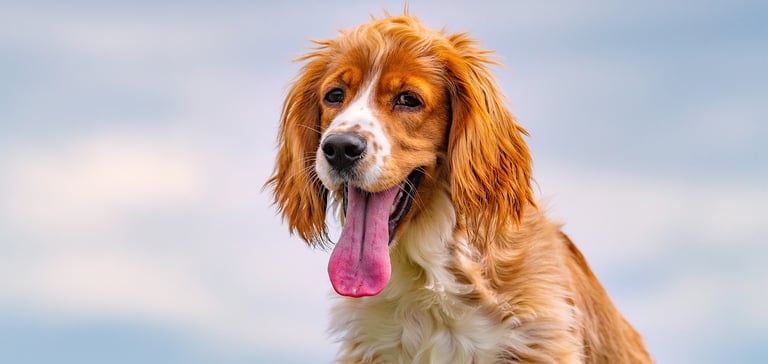

What are canine respiratory infections?
Kennel cough is the everyday name but your vet may call it 'canine infectious respiratory disease complex', a.k.a a dog cold.
Dogs catch these bugs the exact same way we catch a cold. These include close sniffing, shared toys, you name it, but basically it's wherever dogs hang out together. Think boarding places, parks, even the waiting room at the vets.
In the UK we see it spike after holidays when everyone is mixing again.
If your dog is the social type who loves playdates, a few simple steps can help make a huge difference.
Common symptoms to watch for
The cough hits first and in most cases, it is loud. Really loud. Owners say it sounds like their dog is trying to bring up a hairball that is not there. It can also start after they get excited, like when you clip the lead on for walkies.
You might notice sneezing too, with a runny nose and also watery eyes. They may also have a touch of tiredness.
Some dogs still eat and play like normal. Others go off their food a bit.
In milder cases it is just annoying. But if your dog starts breathing fast, coughs wet and bubbly, or seems really wiped out, that is your cue to act. The Blue Cross kennel cough advice explains the sounds perfectly so you know exactly what to listen for.
Got a dog who already breathes fast? Our piece on why a dog is breathing fast is worth a read.
Main causes and how it spreads
It is never just one germ. Bordetella bronchiseptica is the big bacterial player. Then you have viruses like parainfluenza and adenovirus type two in the mix.
While technically a different disease, it can also be mistaken for dog flu because of its symptoms, a persistent, hacking cough which is virtually identical to classic kennel cough.
It is often included in the same respiratory diagnostic panels because it spreads in the same social environments.
These travel in tiny spit droplets. One cough or sneeze and the next dog is at risk. Even dogs who look fine can quietly pass it on.
Puppies, older dogs and anyone with a weak immune system pick it up easier and can get hit harder. The PDSA kennel cough page lays it all out simply and honestly.
Treatment options
Here is the part that makes everyone breathe easier (pun intended). Most cases sort themselves in one to three weeks.
Rest is your best friend. Keep your dog quiet, restful, warm and away from other dogs.
Offer lots of fresh water and soft food if they are fussy. One tip is to loosen or remove their collar so nothing presses on that sore throat and use a harness for walks so there is no pressure on their trachea which will trigger the cough.
Your vet might prescribe anti-inflammatory medication, a cough suppressant or antibiotics only if things turn bacterial. Do not give any human tablets or medicine.
If it gets really bad with laboured breathing, a loss of appetite, or extreme lethargy, they may need more intense treatment and it likely isn’t a simple kennel cough. If you see these symptoms, be sure to call your vet as an emergency.
Prevention and vaccination
Prevention feels so much better than mopping up the mess later. We always tell owners this bit first.
The Bordetella vaccine is a lifesaver for social dogs. Many give it as drops up the nose and it kicks in fast, as quickly as 48 to 72 hours. This is because it stimulates "mucosal immunity" directly in the nose and throat where the germs first enter. Vaccinations often covers the main virus too.
Boosters keep the protection strong before any boarding or big meet ups.
The WSAVA vaccination guidelines 2024 backs this up and explains exactly why these mucosal vaccines work so brilliantly for respiratory bugs.
On top of that, simple habits help loads. Skip crowded parks when you hear of local outbreaks. Wipe down bowls and toys. Wash your hands after playdates. Teach loose lead walking so the collar never tugs.
Puppy owners, our puppy socialisation guide shows safe ways to meet friends without extra risk.

When to see the vet
Trust your gut. If the cough hangs around more than a week, breathing looks laboured or your dog goes off their food or is lethargic, book that appointment. Green snot or a fever means something extra might be brewing.
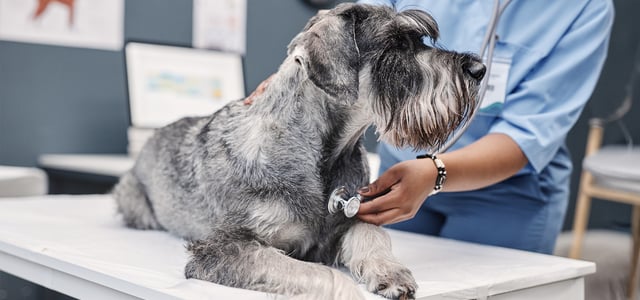
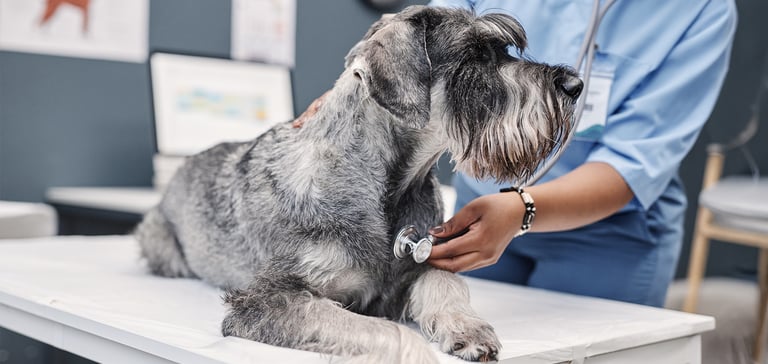
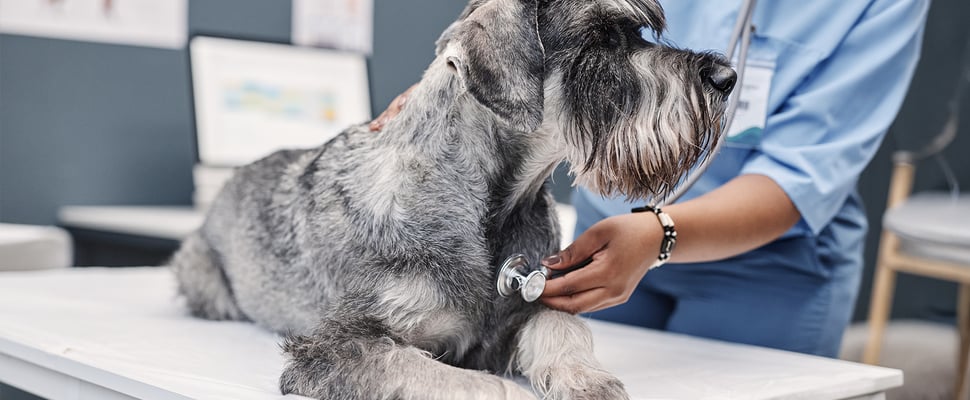
The vet will listen, ask a few questions and often know straight away. Early help means quicker recovery and less worry for you.
We know how stressful it is hearing that cough echo round the house at night. Most dogs sail through it and come out bouncier than ever.
You have got this. Team up with your vet and keep those zoomies coming for years. Here is to happy, healthy walks ahead.

From everyday questions to expert advice, we’ll help you feel confident in every moment of pet parenthood.
Less stress, more love.
Along with our excellent coverage, we offer access to a 24/7 online vet to answer all your sticky questions.