
Summary
Index
Introduction
Your dog spots you at the door, and that tail starts going a mile a minute. It looks like pure joy, right?
Most of the time it is. But here is the thing. A wagging tail does not always mean happy. It can signal excitement, nerves, curiosity or even a polite warning.
Dogs use their tails like we use smiles. They say a lot once you learn to read them properly. We have pulled together the latest science and real-world signs so you can understand exactly what your pup is trying to tell you.
Key takeaways
A fast, loose wag usually means your dog feels friendly and excited.
Tail position matters more than movement. High and stiff can signal alertness or tension.
Wagging more to the right side often shows positive feelings while left side bias hints at caution.
Speed and width give extra clues. Slow stiff wags deserve extra attention.
Always read the whole body. Ears, eyes and posture complete the picture.
The basics: a wag is not always a happy wag
We all grew up thinking a wagging tail equals one thing: a happy dog. Science says it is more like a flag of arousal. Your dog could feel thrilled to see you or worried about a stranger at the door. The movement simply shows strong emotion. Positive or negative.
A 2024 review in Biology Letters looked at over one hundred studies and confirmed this. Tail wagging evolved mainly for communication in dogs, unlike in wolves, where it is rarer.
That full body wiggle you love? It usually means your dog is over the moon.
See our guide all about how to make your dog happy for more ways to spark those joyful moments.

Tail position: the first big clue
Look where the tail sits before you watch it move:
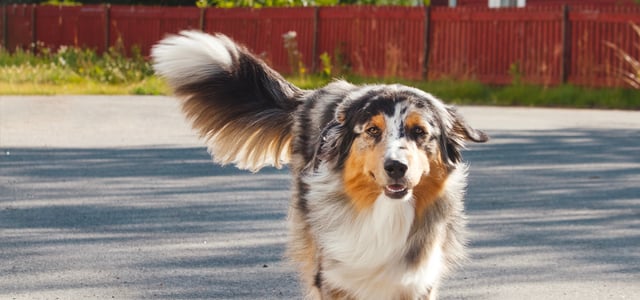
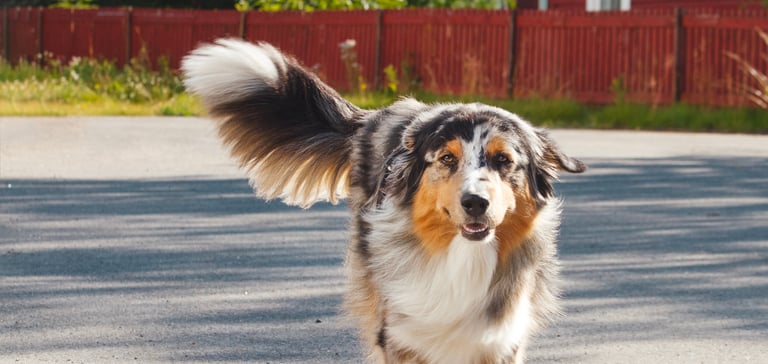
High and stiff: Alert or dominant vibe. Your dog feels confident and ready to check something out. It can tip toward aggression if the body stays tense.
Neutral or mid height: Relaxed and friendly. This is the classic happy zone for most breeds.
Low or tucked: Submission, fear or insecurity. A tail pinned between the legs often means your dog wants to shrink away from whatever is happening.
Vets at VCA Hospitals explain that a tucked tail lowers scent signals from the anal glands. It is the canine version of trying to look small and unthreatening.
Speed, width and style: how the wag changes everything
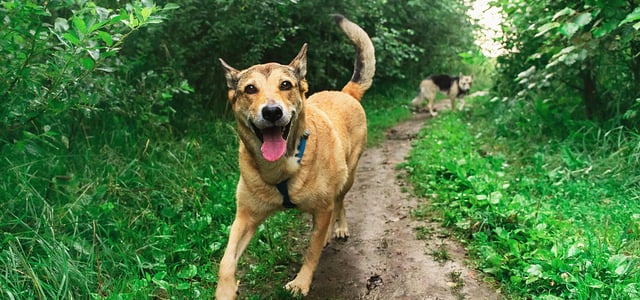
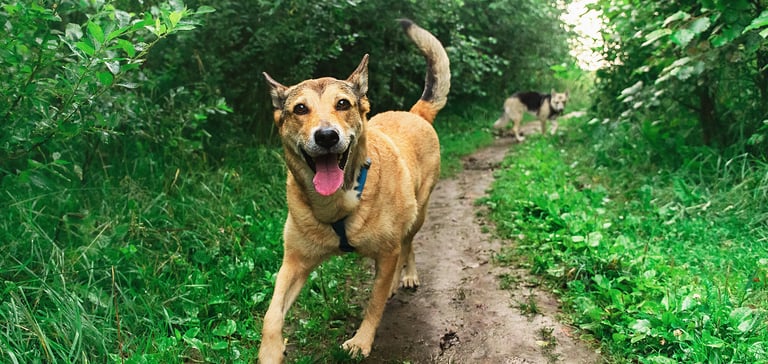
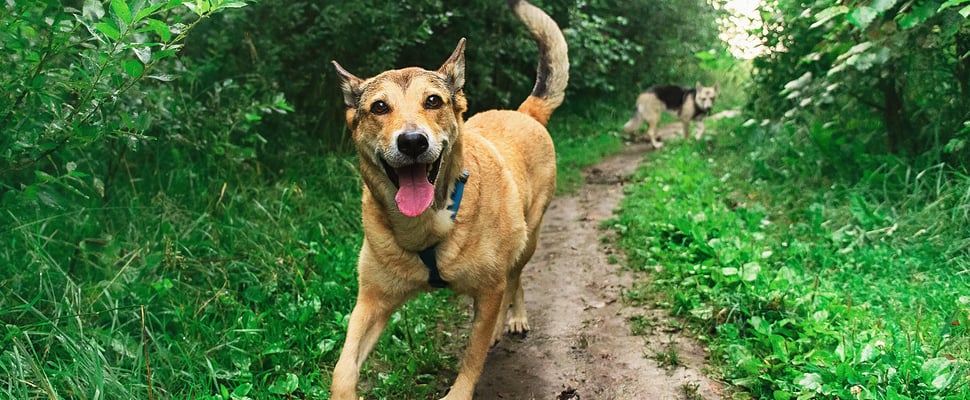
Fast and loose usually equals good news. A broad side-to-side sweep with a relaxed body screams excitement. Think helicopter tail when you grab the lead for walkies.
Slow and stiff? That one raises a flag. A rigid wag with a high tail can mean tension or a warning. Your dog might feel unsure and is asking for space.
The width matters too. A small twitch might show mild interest. A huge sweeping motion with the whole rear end involved usually means pure delight.
The left versus right secret: what science reveals
Here is where it gets really clever. Dogs show a bias in the way they wag.
A classic 2007 study in Current Biology found that dogs wag more vigorously to the right side when they see their owner or something positive. Left side bias pops up with unfamiliar or slightly threatening situations. Other dogs can read this asymmetry and react differently.
A follow-up 2013 study confirmed it. Dogs watching a silhouette wagging left showed more stress signs than those seeing a right wag. It ties into the brain hemispheres. Right wag links to approach and positive feelings. Left links to withdrawal.
The 2024 Biology Letters review sums it up nicely. These tiny differences help dogs communicate emotion clearly to each other and to us.
Breed differences and special cases
Not every tail tells the same story. Breeds with naturally curled tails, like Pugs or Basenjis, still wag, but the movement looks different. Docked tails or very short ones make reading harder, so watch the whole body instead.
Puppies learn tail language early. Our puppy socialisation guide has tips on introductions so your new pup can get the best start possible.

Putting it all together: read the full picture
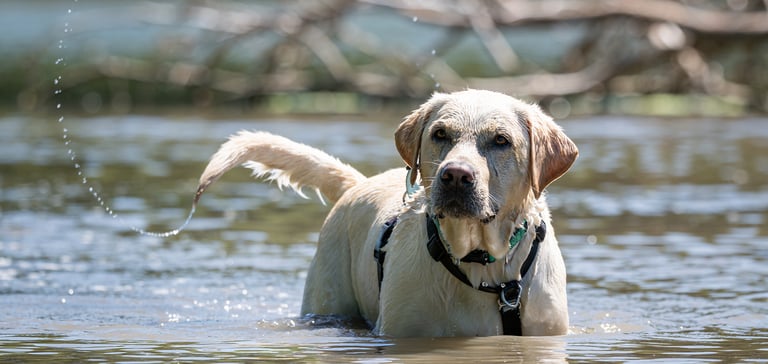
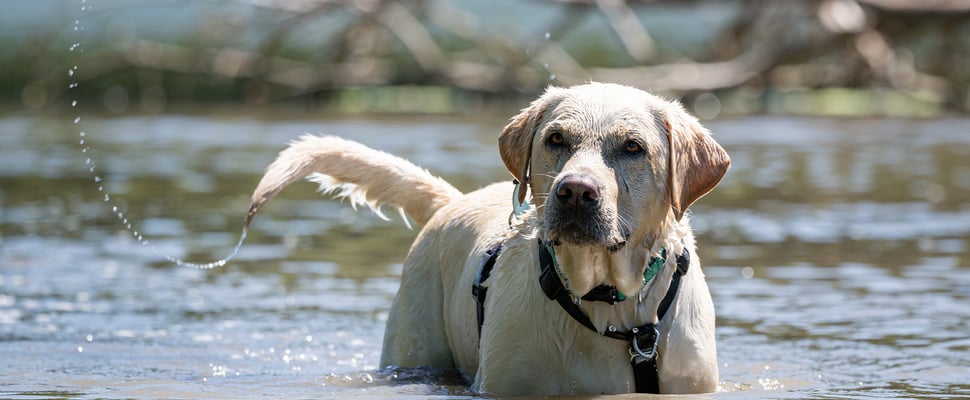
Never rely on the tail alone. A high fast wag with relaxed ears and a play bow means come and play. The same wag with stiff posture and hard eyes could mean stay back.
Combine it with what you already know. Does your dog look at you softly? Is the body loose or rigid? Those clues complete the picture, giving you a better idea of intent.
If you notice sudden changes in tail habits, it is worth a vet check. Pain or illness can alter how dogs hold their tails, so it's always best to be on the safe side.
Quick tips to speak tail fluently
Watch from the side to spot left or right bias more easily.
Give your dog space if the wag looks stiff or low.
Use positive experiences to encourage confident right biased wags.
Teach kids that a wagging tail does not always mean pet me now.
Your dog is chatting with you every time that tail moves. Once you tune in, the bond gets even stronger. Next time you walk through the door take a second to really watch. You might just catch a whole conversation in one happy wag. Here is to clearer chats and bigger tail circles ahead.

From everyday questions to expert advice, we’ll help you feel confident in every moment of pet parenthood.
Less stress, more love.
Along with our excellent coverage, we offer access to a 24/7 online vet to answer all your sticky questions.